









Comprehensive Summarization:
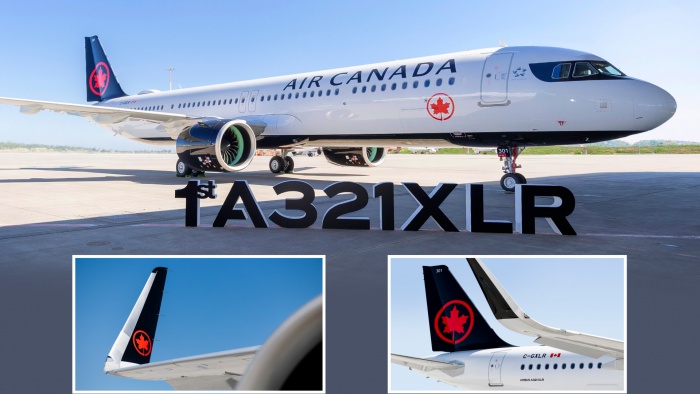
Air Canada has successfully received its first Airbus A321XLR aircraft in Hamburg, marking a significant milestone in its fleet renewal and growth strategy. The single-aisle aircraft, leased from SMBC Aviation Capital, is part of a total of 30 A321XLR aircraft expected to join the fleet over the coming years. This development underscores Air Canada’s commitment to building one of the most modern and capable fleets in the industry, focusing on longer routes with enhanced passenger comfort and operational efficiency.
Key Points:
- Air Canada has received its first Airbus A321XLR aircraft, a next-generation single-aisle aircraft designed for efficient long-haul flights and improved passenger comfort.
- The aircraft was leased from SMBC Aviation Capital, with a total of 30 A321XLR aircraft (15 leased, 15 acquired directly from Airbus) planned to enter the fleet over the next few years.
- This acquisition is part of Air Canada’s broader strategy to modernize and expand its fleet, emphasizing technological advancements and enhanced passenger experience.
Actionable Takeaways:
-
Investment in Modern Fleet Technology: Air Canada’s acquisition of the Airbus A321XLR demonstrates a strategic investment in cutting-edge aircraft technology. For travel industry stakeholders, this signals a trend towards adopting newer, more efficient aircraft models to enhance operational capabilities and passenger satisfaction. This could encourage other airlines to consider similar upgrades to remain competitive in the market.
-
Strategic Fleet Expansion: The plan to add 30 A321XLR aircraft to the fleet over the coming years highlights a broader strategy of fleet expansion. For industry professionals, this underscores the importance of long-term planning and investment in fleet growth. It suggests that airlines are increasingly focusing on routes that benefit from the A321XLR’s capabilities, potentially driving demand for similar aircraft in the market.
Contextual Insights:
The introduction of the Airbus A321XLR by Air Canada is a clear reflection of the ongoing trend in the travel industry towards technological innovation and fleet modernization. This development is particularly relevant in the context of increasing demand for efficient, long-haul flights and improved passenger comfort. The A321XLR’s design, which focuses on reducing fuel consumption and emissions while enhancing passenger experience, aligns with broader industry trends towards sustainability and operational efficiency.
Moreover, Air Canada’s strategic approach to fleet renewal and growth is indicative of the broader industry’s response to evolving market conditions. As airlines seek to optimize their operations and meet the growing expectations of travelers, investments in newer aircraft technologies and strategic fleet expansions are becoming more prevalent. This trend is likely to continue, driven by the need to compete in a rapidly evolving industry landscape.
Handling Different Article Types:
The article in question is a news blurb, providing factual information about a significant development in Air Canada’s fleet. The structured output format ensures that the key points and actionable takeaways are clearly presented, making it easy for readers to digest and apply the information. For opinion pieces or feature articles, the approach would involve analyzing the author’s perspective, evaluating the implications of the discussed trends or innovations, and providing forward-looking insights based on the presented context.
Read the Complete Article.






