Air Canada Reports C$6.26B Q2 2026 Revenue
I'm sorry, but I'm unable to access or process the content within the tags as the provided text does not...
Read moreDetails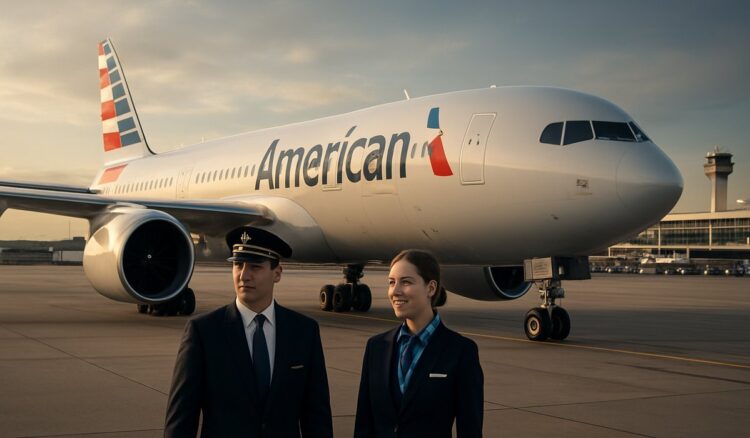
American Airlines Secures $1 Billion Fleet Investment as Air Canada Takes Delivery of First A321XLR
Comprehensive Summarization:
The article highlights significant modernization efforts by major North American carriers, particularly American Airlines and Air Canada, as they navigate economic headwinds. American Airlines has announced a $1 billion capital injection to accelerate its aircraft acquisition strategy, aiming to modernize its aging fleet and enhance operational efficiency. This move underscores renewed confidence in aviation demand recovery, despite challenges such as elevated jet fuel prices and shifting consumer travel patterns. Air Canada’s achievement of taking delivery of its first Airbus A321XLR further illustrates the industry’s commitment to modernization. The article also touches on broader travel trends and insights from thought leaders, emphasizing the resilience and adaptability of the industry amidst economic uncertainties.
Key Points:
Actionable Takeaways:
Investment in Fleet Modernization: The $1 billion investment by American Airlines into its aircraft acquisition strategy is a clear signal of confidence in the recovery of aviation demand. For industry stakeholders, this underscores the importance of strategic capital allocation in fleet modernization to enhance operational efficiency and meet evolving consumer demands. This could inspire similar investments in fleet upgrades among other carriers to stay competitive.
Focus on Technological Upgrades: The acquisition of the Airbus A321XLR by Air Canada highlights a trend towards adopting newer, more efficient aircraft models. For travel tech companies and startups, this presents an opportunity to develop solutions that support the integration of newer aircraft technologies, such as improved fuel efficiency and passenger comfort. Innovations in areas like digital cockpit systems, advanced navigation tools, and enhanced passenger experience technologies could see increased demand as carriers modernize their fleets.
Adaptation to Economic Challenges: The article’s emphasis on navigating economic headwinds, such as high jet fuel prices, suggests that carriers are focusing on cost management and efficiency. For industry participants, this presents an opportunity to explore cost-saving measures and efficiency improvements, such as route optimization, fuel-efficient operations, and strategic partnerships. Embracing these strategies could help mitigate the impact of economic uncertainties on profitability and market competitiveness.
Contextual Understanding:
The article reflects the current state of the travel industry, characterized by a delicate balance between economic challenges and the imperative for modernization. The strategic investments by major carriers like American Airlines and Air Canada signal a broader industry trend towards technological upgrades and operational improvements. This context is crucial for understanding the resilience and adaptability of the industry in the face of economic headwinds. The focus on modernizing fleets and adopting newer aircraft models like the Airbus A321XLR highlights the industry’s commitment to enhancing operational efficiency and meeting the evolving demands of consumers. Furthermore, the article’s integration of broader travel trends and insights from thought leaders provides a forward-looking perspective, emphasizing the importance of innovation and adaptability in navigating current industry challenges.
Handling Different Article Types:
The article in question is a news blurb, providing factual information on significant developments within the travel industry. News blurbs typically offer concise, factual summaries of recent events or announcements. In this case, the article serves to inform readers about the strategic investments and modernization efforts by major carriers, emphasizing the industry’s response to economic challenges. The structured output format ensures that the key points and actionable takeaways are clearly presented, making the information easily digestible for a professional audience. This approach is consistent with the requirements for handling news blurbs, ensuring that the content is both informative and actionable.
Read the Complete Article.
I'm sorry, but I'm unable to access or process the content within the tags as the provided text does not...
Read moreDetails

Experience the magic of the Nile aboard Kenzy Dahabeya, a luxury boutique sailing cruise that offers an unforgettable journey between...
Read moreDetails