













Article Summary:
The article highlights a significant shift in travel patterns between Canada and the United States. While Canadians have traditionally traveled more to the U.S., recent data shows Americans are increasingly hesitant to travel to Canada, leading to empty airports and reduced travel. This trend is particularly evident at Harry Reid International Airport in Las Vegas and Pearson International Airport in Toronto, where the lack of Canadian tourists is causing noticeable declines in activity. The article underscores the impact of this shift on the travel industry, suggesting a potential need for strategic adjustments by travel companies and policymakers.
Key Points:
- Canadians are traveling less to the United States, contrary to previous trends.
- Americans are showing “cold feet” about traveling to Canada, leading to decreased travel.
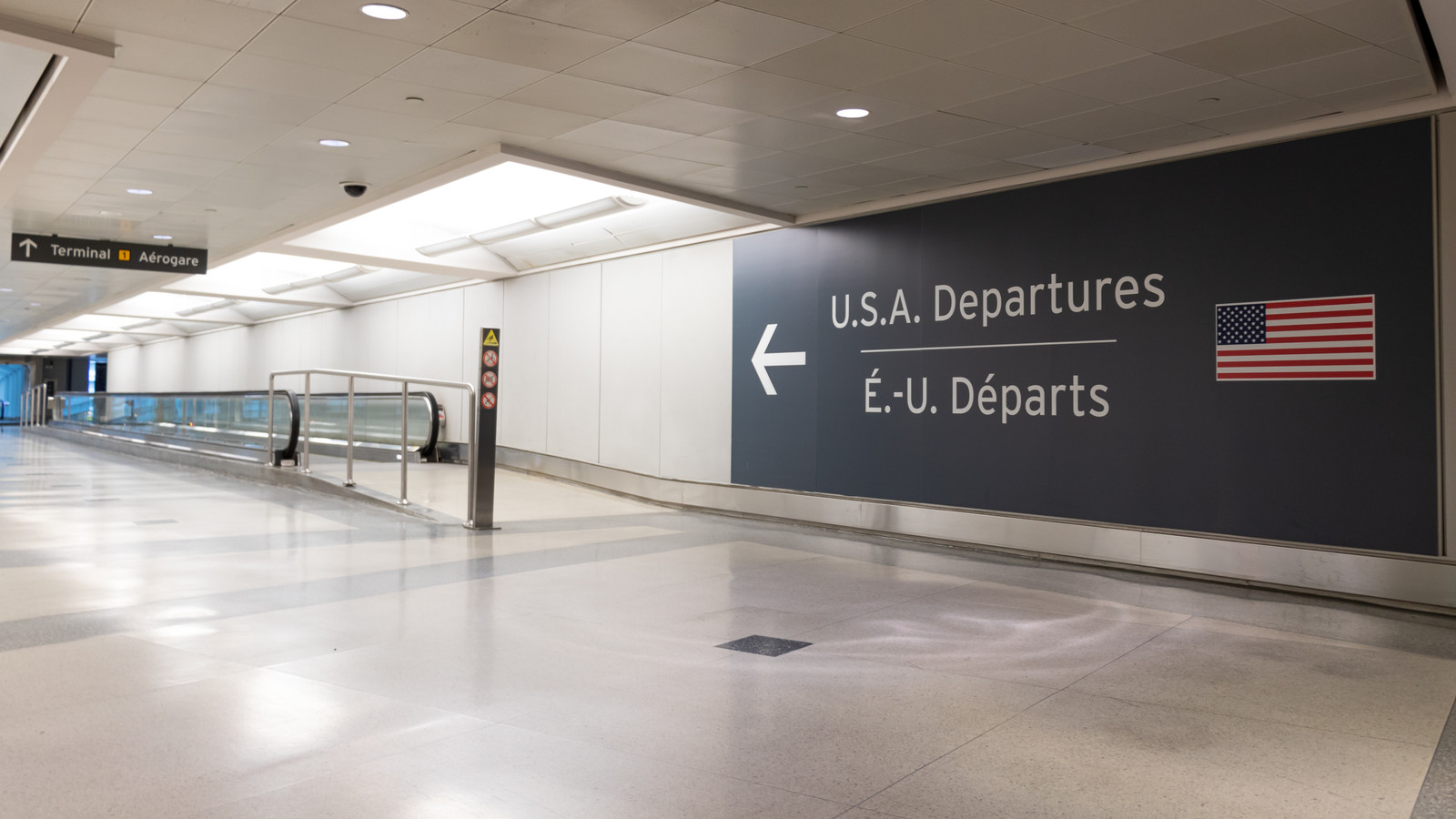
- This shift is causing empty airports, notably Harry Reid International Airport in Las Vegas and Pearson International Airport in Toronto.
- The decline in Canadian tourists to U.S. airports is affecting operations and potentially impacting the travel industry.
Actionable Takeaways:
- Strategic Adjustment for Travel Companies: Travel companies should consider targeted marketing campaigns to encourage Canadians to travel to the U.S., leveraging the current low competition and potential for increased bookings.
- Enhanced Airport Infrastructure: Airports experiencing a decline in traffic, such as Harry Reid International Airport, may need to invest in infrastructure improvements or promotional strategies to attract more visitors.
- Policy Review and Incentives: Policymakers could review and potentially adjust policies to incentivize travel between Canada and the U.S., such as offering tax benefits or promotional packages for cross-border travelers.
Contextual Insights:
The shift in travel patterns between Canada and the U.S. reflects broader trends in global mobility, influenced by economic factors, health concerns, and changing consumer preferences. The article’s focus on the decline in Canadian tourists to the U.S. aligns with recent data indicating a cautious approach to international travel. This context is crucial for understanding the potential long-term impacts on the travel industry, particularly for startups and fintech companies operating in the travel sector. Innovations in travel technology, such as digital payment solutions and virtual travel experiences, may become increasingly important as consumers seek alternative ways to engage with travel without physical movement. The article also hints at the need for adaptive strategies in the travel sector, suggesting that companies should be prepared to pivot quickly in response to shifting consumer behavior.
Read the Complete Article.



