












Comprehensive Summarization:
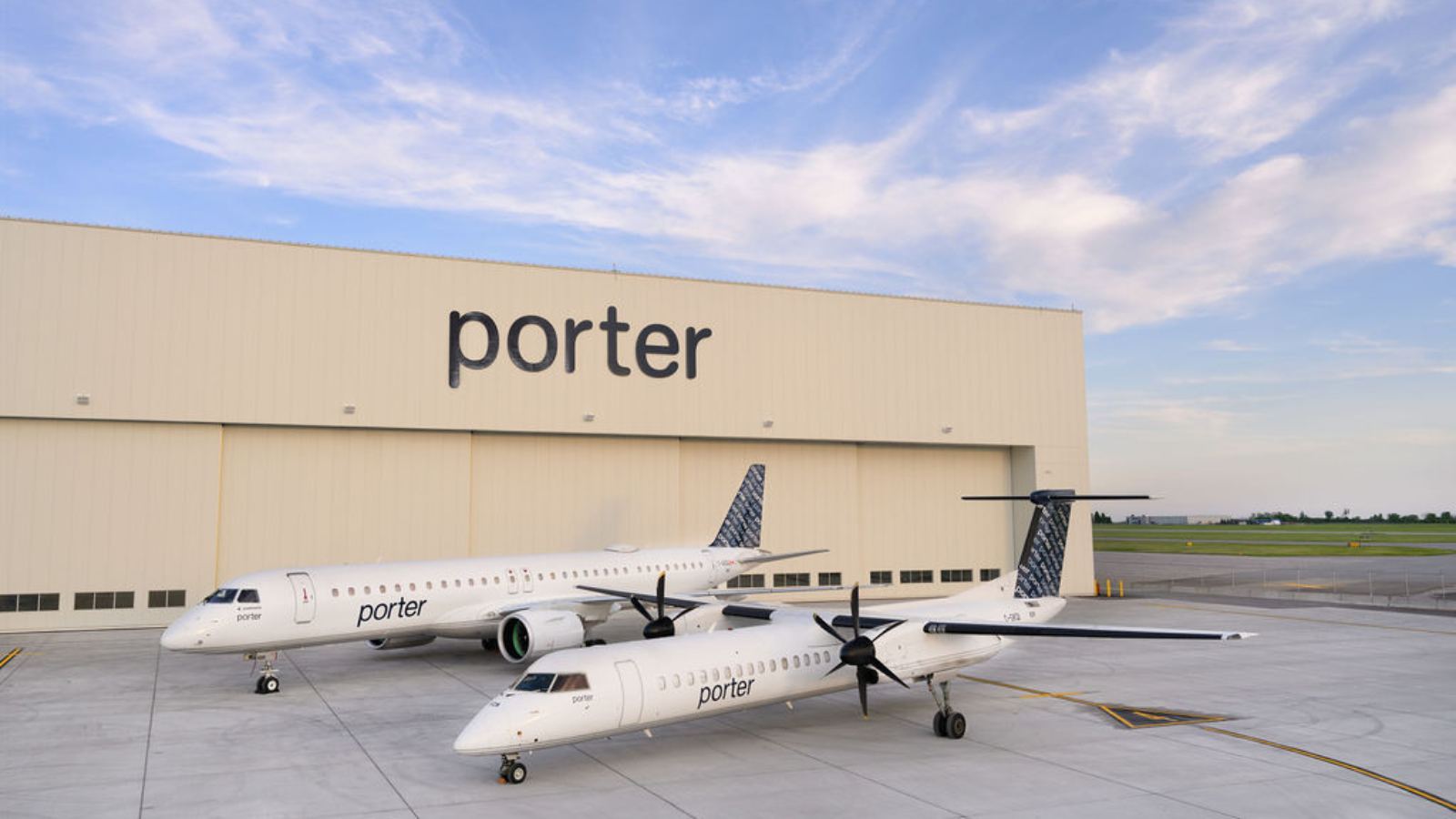
Porter Airlines has introduced new direct seasonal flights from Ottawa to Miami and Phoenix, commencing in late January and early February 2026. This expansion stands in contrast to the strategic decisions made by competitors WestJet and Air Canada, who are reducing their U.S. capacity for 2026. Porter Airlines is optimistic about a rebound in U.S. travel demand, while its competitors attribute the decline to reduced interest. WestJet has cut six U.S. routes, and Air Canada has shifted its focus towards international and long-haul travel. Additionally, Air Canada suspended service to Cuba in February 2026 due to fuel availability concerns, leading to the initiation of repatriation flights.
Key Points:
- Porter Airlines launched new direct seasonal flights from Ottawa to Miami and Phoenix in early 2026.
- This move contrasts with the capacity cuts made by WestJet and Air Canada in the U.S. market.
- Porter Airlines anticipates a rebound in U.S. travel demand, whereas competitors cite declining interest.
- WestJet reduced six U.S. routes, while Air Canada is focusing more on international and long-haul travel.
- Air Canada suspended service to Cuba in February 2026 due to fuel availability issues, initiating repatriation flights.
Actionable Takeaways:
-
Shift in Market Strategy: Porter Airlines’ decision to expand its U.S. presence while competitors reduce capacity indicates a strategic shift towards capitalizing on potential rebounding demand. This could signal a broader trend among airlines to reassess market entry strategies based on demand forecasts and competitor actions.
-
Focus on High-Demand Routes: The expansion to Miami and Phoenix suggests Porter Airlines is targeting high-demand routes, a strategy that aligns with current industry trends favoring direct flights to popular tourist destinations. This could encourage other airlines to explore similar high-demand routes, potentially increasing competition and driving innovation in flight scheduling and pricing models.
-
Adaptation to Market Conditions: Air Canada’s suspension of service to Cuba and focus on international and long-haul travel highlight the industry’s adaptability to fuel availability and geopolitical factors. This move underscores the importance of diversifying routes and destinations to mitigate risks associated with fuel price fluctuations and geopolitical tensions, which are critical considerations for airlines planning their route networks.
Contextual Insights:
The article reflects the ongoing evolution of the travel industry, marked by strategic adjustments in response to market conditions and competitive dynamics. Porter Airlines’ expansion aligns with the current trend of airlines reassessing their route networks in light of changing consumer demand and operational constraints. The industry is witnessing a shift towards more data-driven decision-making, where airlines leverage analytics to predict demand patterns and optimize their route offerings. This context is further enriched by the broader trend of airlines focusing on high-demand routes, driven by the need to maximize profitability while navigating challenges such as fuel price volatility and geopolitical uncertainties. Thought leaders in the travel sector emphasize the importance of agility and adaptability in route planning, suggesting that airlines that can swiftly adjust their strategies in response to market signals will be better positioned for success.
Read the Complete Article.



