












Comprehensive Summarization:
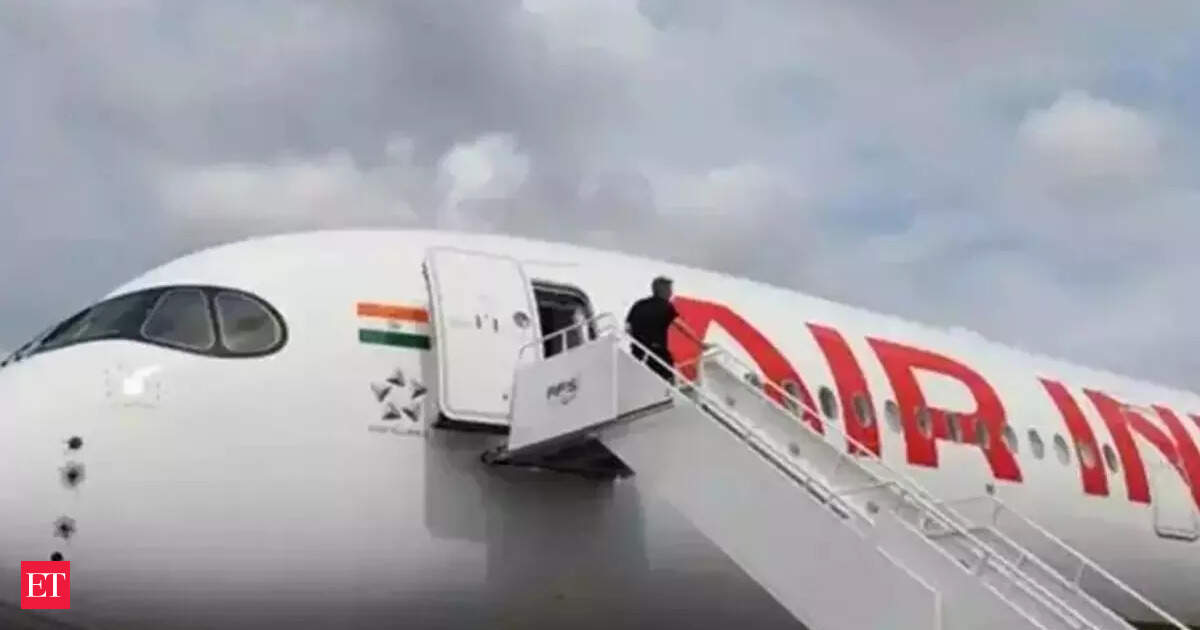
Air India’s newest Airbus A350, operating the Delhi–New York route, experienced significant engine damage after a baggage container was ingested into its right engine while the aircraft was taxiing to its parking bay at Indira Gandhi International Airport. The incident involved Flight AI101, which had returned to Delhi shortly after take-off following the unexpected closure of Iranian airspace. The aircraft was carrying over 250 passengers at the time. No injuries were reported. This incident highlights the critical importance of baggage handling procedures and the potential risks associated with modern aircraft operations, especially in the context of evolving travel safety standards and technological advancements in aviation.
Key Points:
- Air India’s Airbus A350 suffered engine damage due to a baggage container being ingested into the right engine during taxiing at Indira Gandhi International Airport.
- The incident occurred on Flight AI101, which had returned to Delhi following the closure of Iranian airspace.
- The aircraft was carrying more than 250 passengers at the time of the incident.
- No injuries were reported as a result of the incident.
- The event underscores the need for stringent baggage handling protocols and the potential vulnerabilities in modern aircraft systems.
Actionable Takeaways:
-
Enhanced Baggage Handling Protocols: Implementing stricter protocols for baggage loading and unloading, especially during critical phases of flight such as taxiing, can mitigate risks of engine ingestion. This includes real-time monitoring systems and enhanced training for ground staff.
-
Investment in Engine Protection Technologies: Airlines should consider investing in advanced engine protection technologies that can detect and prevent such incidents. This could include sensors that alert pilots to potential ingestion risks or automated systems to divert the aircraft if a blockage is detected.
-
Focus on Passenger Safety: While no injuries were reported, the incident highlights the importance of continuous safety assessments and improvements. Airlines should prioritize passenger safety by regularly reviewing and updating safety protocols, ensuring that all crew members are well-trained in emergency procedures.
Contextual Insights:
The incident with Air India’s Airbus A350 underscores the ongoing challenges in aviation safety, particularly concerning baggage handling and engine integrity. In the current travel landscape, characterized by increasing air traffic and the integration of advanced technologies, such incidents serve as critical reminders of the need for robust safety measures. The use of state-of-the-art materials and engineering in aircraft design, as seen with the Airbus A350, is crucial in preventing such incidents. Furthermore, the event highlights the importance of real-time data analytics and predictive maintenance in aviation, areas that are rapidly evolving with the integration of artificial intelligence and machine learning. As the travel industry continues to innovate, these insights can guide startups and established players alike in enhancing safety, efficiency, and passenger trust.
Read the Complete Article.


