












Article Summary:
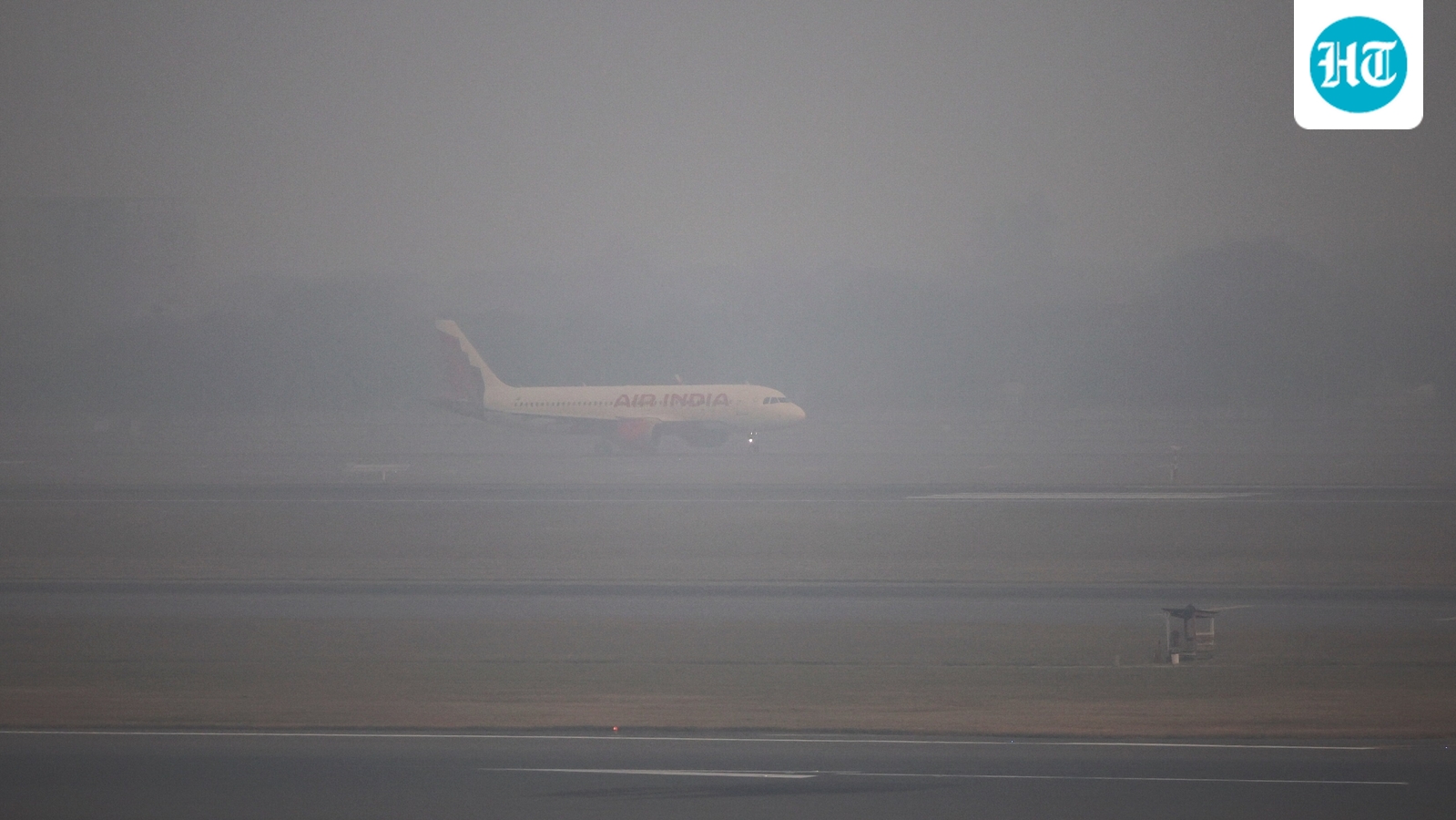
The article reports on the disruption caused by volcanic ash from the newly erupted Hayli Gubbi volcano in Ethiopia to flight operations in India. The ash clouds entered the Indian subcontinent from the western side and reached Delhi on Monday night, affecting flights of major airlines such as Air India and Akasa Air. The article also touches on the broader context of recent flight cancellations due to the volcanic ash and its implications for the travel industry.
Key Points:
- Volcanic ash from the Hayli Gubbi volcano in Ethiopia entered the Indian subcontinent, affecting flight operations in India.
- Major airlines such as Air India and Akasa Air experienced flight cancellations due to the volcanic ash.
- The ash clouds reached Delhi on Monday night and proceeded to other parts of the Indian subcontinent.
- The article highlights the broader context of recent flight cancellations due to the volcanic ash.
Actionable Takeaways:
- Impact on Travel Schedules: Airlines operating in India should closely monitor volcanic activity in Ethiopia and adjust flight schedules accordingly to avoid disruptions. This requires real-time data integration and flexible scheduling systems.
- Enhanced Safety Protocols: Airlines should review and enhance their safety protocols for flying through volcanic ash clouds. This includes additional training for pilots and ground staff on handling such situations and ensuring aircraft are equipped with necessary sensors to detect ash presence.
- Investment in Technology: There is an opportunity for travel tech startups to develop advanced monitoring systems that can predict and alert airlines about volcanic ash clouds in real-time. Such innovations could significantly reduce the impact of such natural events on flight operations.
Contextual Insights:
The eruption of the Hayli Gubbi volcano and its subsequent impact on flight operations in India underscore the vulnerability of the travel industry to natural disasters. This event highlights the importance of real-time data integration and predictive analytics in the travel sector. As climate change continues to affect global weather patterns, the frequency and intensity of volcanic eruptions are likely to increase, necessitating continuous innovation in travel technology and safety protocols. Startups in the travel tech space have a unique opportunity to develop solutions that enhance operational resilience and ensure the safety of passengers and crew in the face of such challenges.
Read the Complete Article.


