












Comprehensive Summarization:
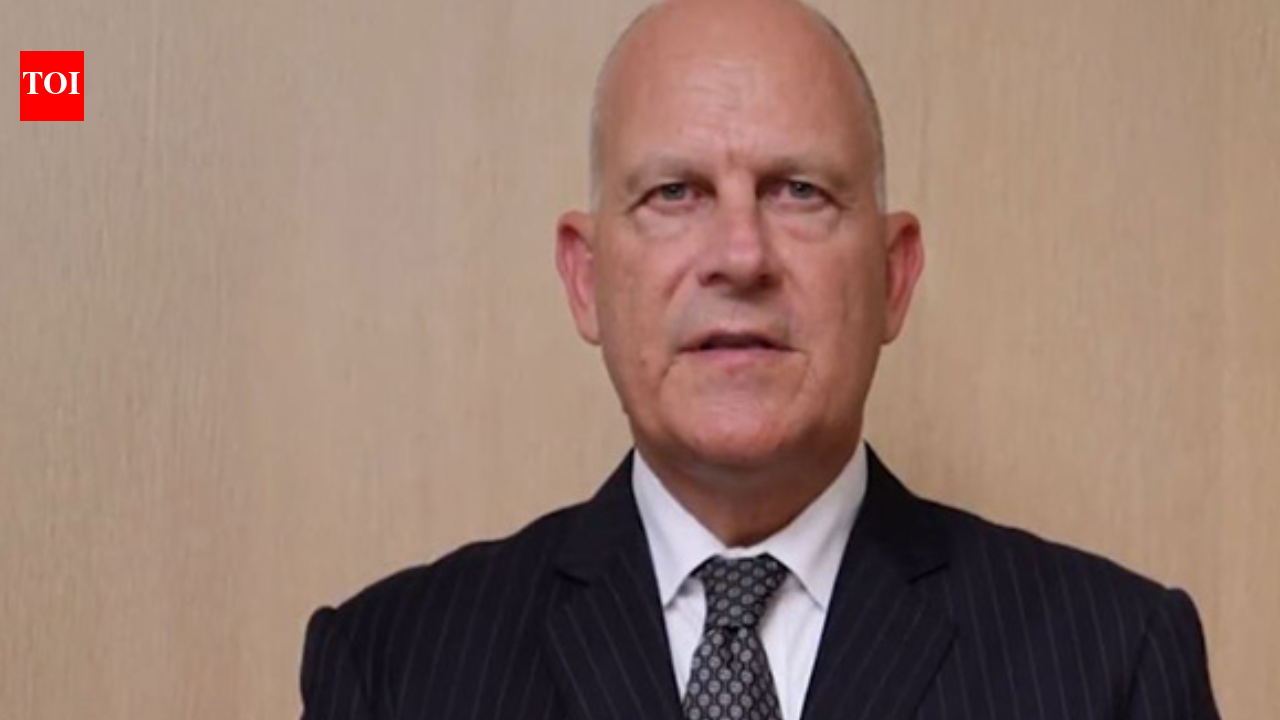
Air India CEO Campbell Wilson has resigned amid the airline’s mounting losses and a slower-than-expected turnaround following the Tata Group’s takeover four years ago. Wilson, who joined Air India in July 2022 for a five-year term, will remain until a successor is found, pending the final report into the AI 171 Ahmedabad crash from June. Wilson’s resignation comes as the airline faces significant challenges, and the Tata Group continues to navigate its strategic involvement in the struggling airline.
Key Points:
- Air India CEO Campbell Wilson has resigned due to the airline’s financial struggles and the slower-than-expected turnaround since the Tata Group’s takeover.
- Wilson’s resignation is pending the final report into the AI 171 Ahmedabad crash from June, which is expected to provide further insights into the airline’s operational issues.
- Wilson had a five-year term with Air India, starting in July 2022, and will serve his notice period until a successor is appointed.
Actionable Takeaways:
-
Strategic Review of Tata Group’s Involvement: Given the challenges Air India faces, the Tata Group should conduct a thorough review of its strategic involvement in the airline. This includes evaluating the effectiveness of the turnaround strategies implemented and considering potential adjustments to align with market realities and financial constraints.
-
Focus on Operational Efficiency: With Wilson’s resignation pending, there is an opportunity for the airline to implement immediate operational efficiency measures. This could involve streamlining operations, renegotiating contracts with suppliers, and optimizing routes to improve profitability and reduce losses.
-
Enhanced Board Oversight: The resignation underscores the need for enhanced oversight by the airline board. Establishing a more robust governance structure could help in making critical decisions swiftly, ensuring accountability, and steering the airline towards recovery.
Contextual Insights:
The resignation of Air India’s CEO amid financial challenges reflects broader trends within the travel industry, where airlines are increasingly under pressure to demonstrate profitability amidst rising operational costs and fluctuating demand. The Tata Group’s strategic involvement in Air India highlights the complexities of managing legacy airlines, particularly when aiming for turnaround. This situation is indicative of the broader industry trend towards strategic partnerships and takeovers to revitalize struggling airlines. Forward-looking insights suggest that the travel industry must continue to innovate in areas such as digital transformation, customer experience, and sustainable practices to remain competitive. The focus on operational efficiency and strategic oversight is crucial for airlines like Air India to navigate these challenges successfully and emerge stronger in the post-pandemic landscape.
Read the Complete Article.


