












Article Summary:
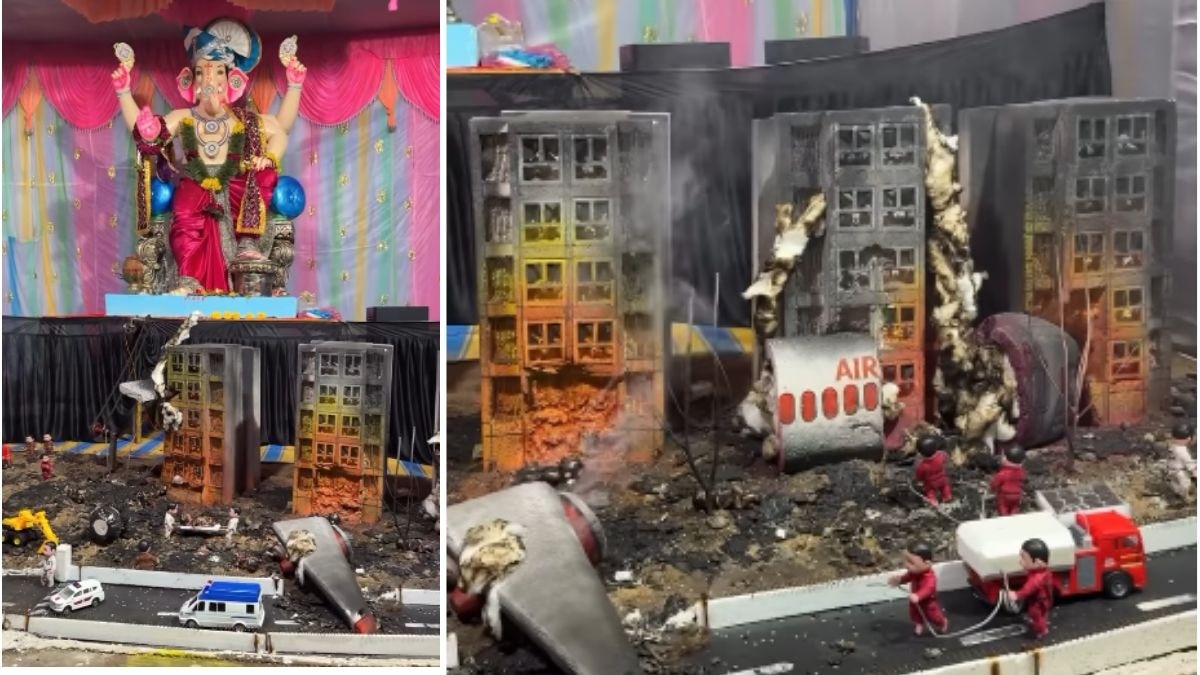
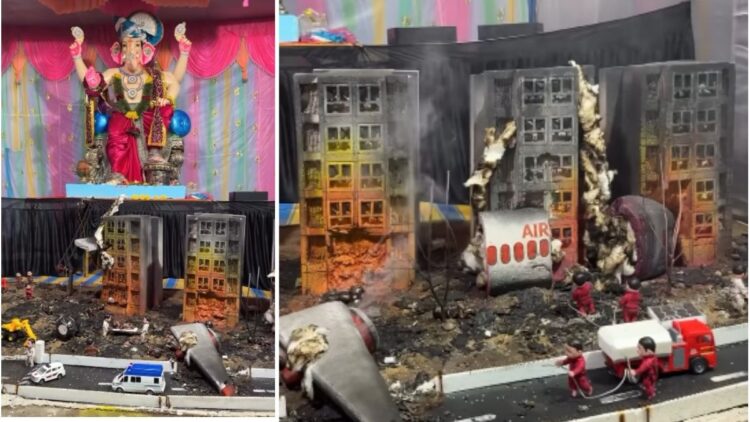
The article discusses a video posted on Instagram by the page ‘Aviation/CabinCrew’s HUB’ that recreates the aftermath of the June 12 Air India plane crash in Ahmedabad. The crash, one of the deadliest in India’s aviation history, resulted in 241 deaths on board and 19 on the ground. The video, which features a Ganpati pandal themed around the incident, has sparked strong reactions on social media. The post highlights the intersection of tragic events with cultural and social media engagement, reflecting the complex interplay between news dissemination and public sentiment in the digital age.
Key Points:
- A video recreating the aftermath of the Air India plane crash in Ahmedabad has been posted on Instagram, featuring a Ganpati pandal theme.
- The crash, one of India’s deadliest, resulted in 241 deaths on board and 19 on the ground.
- The video has triggered strong reactions on social media, indicating the impact of tragic events on public sentiment and digital engagement.
Actionable Takeaways:
- Social Media’s Role in News Dissemination: The viral nature of the video underscores the power of social media platforms in shaping public discourse around tragic events. Travel companies and airlines should consider how they communicate during crises, ensuring messages are sensitive yet informative. This takeaway is crucial for crisis communication strategies in the travel industry.
- Cultural Sensitivity in Content Creation: The use of a Ganpati pandal theme to depict a tragic event highlights the importance of cultural sensitivity in content creation. Travel brands can learn from this to ensure their marketing materials are respectful and appropriate, especially when dealing with sensitive topics. This insight can guide the development of culturally aware marketing strategies.
Contextual Insights:
The incident of the Air India plane crash in Ahmedabad, one of the deadliest in India’s aviation history, serves as a stark reminder of the vulnerabilities within the travel sector. This event underscores the need for robust safety protocols and continuous improvement in aviation safety measures. From a forward-looking perspective, the article highlights the increasing role of social media in shaping public perception and response to such incidents. Travel companies must be prepared to navigate the complexities of digital communication, ensuring that their messaging is both timely and empathetic. Additionally, the article reflects broader trends in the travel industry, such as the growing emphasis on cultural sensitivity and the importance of responsible content creation in the digital age. These insights are essential for travel professionals aiming to stay ahead in a rapidly evolving industry.
Read the Complete Article.


