












Article Summary:
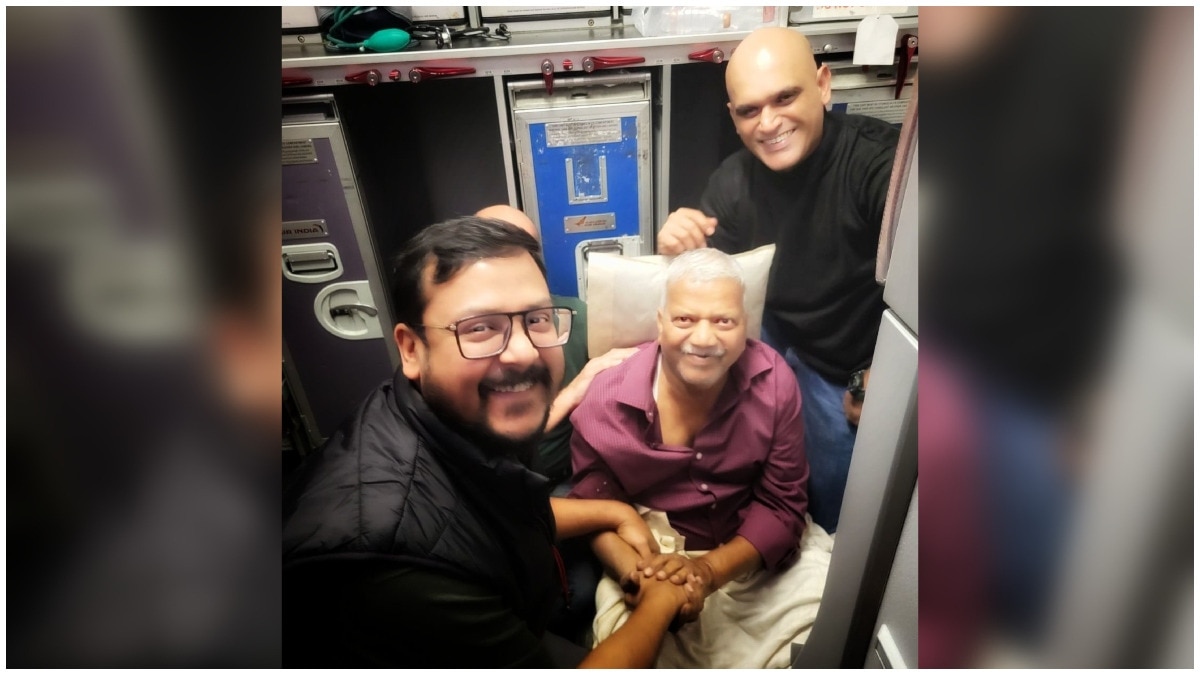
On December 6, a Hyderabad-based professional, Anand Bajpai, documented a mid-air medical emergency on an Air India flight from Bhubaneswar to Delhi via LinkedIn. The incident involved an elderly passenger who lost consciousness midway through the journey. Bajpai, who agreed to facilitate a seat exchange for the passenger, described the swift response from fellow passengers and the crew. The article highlights the importance of preparedness and quick action in such emergencies, showcasing the collaborative effort of passengers and crew in ensuring passenger safety.
Key Points:
- An elderly passenger on an Air India flight from Bhubaneswar to Delhi experienced a mid-air medical emergency on December 6.
- The passenger, traveling with his wife, requested a seat exchange, which was agreed to by fellow passenger Anand Bajpai.
- Fellow passengers and the crew responded swiftly to the emergency, demonstrating a collaborative effort in ensuring passenger safety.
- The incident was documented and shared on LinkedIn by Anand Bajpai, providing a firsthand account of the event.
Actionable Takeaways:
- Importance of Preparedness: The incident underscores the importance of being prepared for medical emergencies during air travel. Airlines and passengers should be aware of basic first aid measures and have access to emergency contacts.
- Collaborative Response: The swift response from fellow passengers and the crew highlights the importance of a collaborative approach in emergency situations. This can lead to improved protocols for handling such incidents on flights.
- Utilization of Social Media for Incident Documentation: Sharing incidents on platforms like LinkedIn can provide valuable insights and lessons learned for the industry. It also serves as a platform for discussing best practices in emergency response.
Contextual Insights:
The incident reflects current travel trends where passenger safety and quick response mechanisms are paramount. With the increasing focus on safety and well-being in the travel industry, incidents like these serve as critical learning opportunities. The use of social media for incident documentation aligns with the trend of transparency and sharing experiences within the travel community. This approach not only aids in personal reflection but also contributes to broader industry discussions on enhancing safety protocols and emergency response strategies. As the travel industry continues to evolve, integrating such insights can lead to more robust and responsive travel services, benefiting both passengers and industry stakeholders.
Read the Complete Article.


