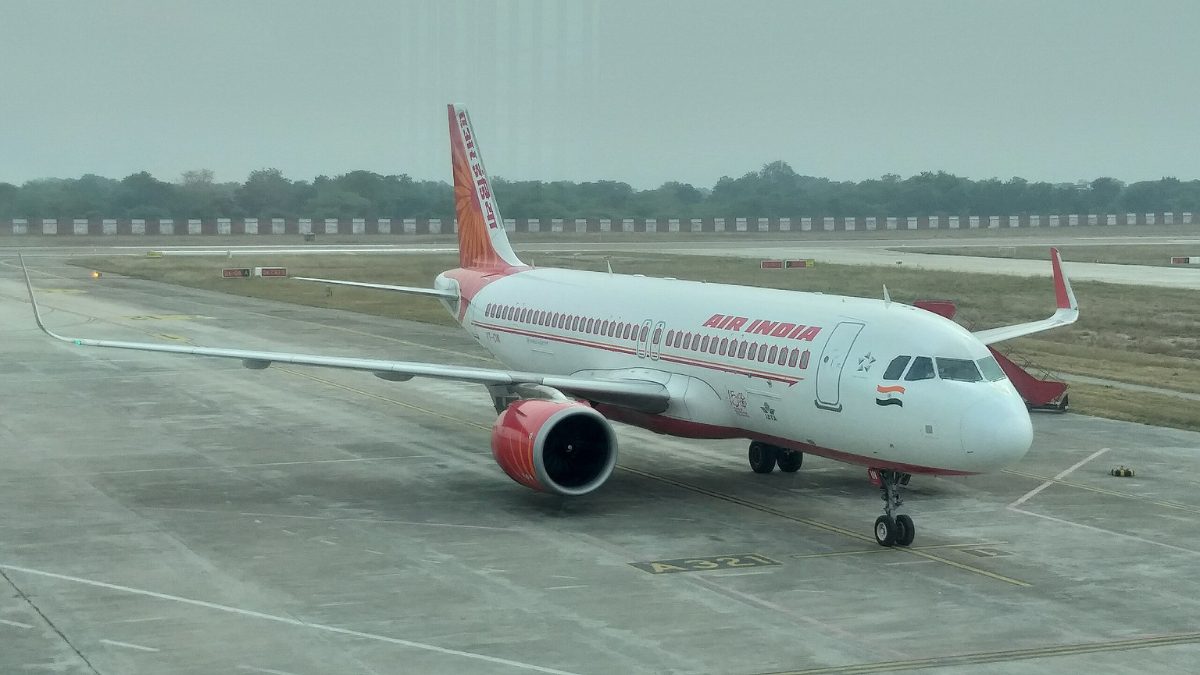














Comprehensive Summarization:
Air India has announced its decision to discontinue full-service operations on the Dubai-Kochi and Dubai-Hyderabad routes, effective March 28, 2026. Instead, these routes will be operated by Air India Express, the airline’s low-cost arm. This strategic shift is detailed in a report from Gulf News, highlighting the airline’s ongoing evolution in its route network and service offerings. The article underscores the importance of this development within the context of the travel industry, particularly in terms of route optimization and the role of low-cost carriers in expanding connectivity.
Key Points:
- Air India plans to end full-service operations on the Dubai-Kochi and Dubai-Hyderabad routes.
- These routes will be taken over by Air India Express, the airline’s low-cost subsidiary.
- The change is set to take effect from March 28, 2026.
- The decision reflects Air India’s strategic realignment within the travel industry.
Actionable Takeaways:
-
Route Optimization and Service Diversification: The discontinuation of full-service operations on these routes and the subsequent takeover by Air India Express signify a broader trend in the travel industry towards route optimization and service diversification. This move may encourage other airlines to reassess their route networks, potentially leading to increased competition and improved service offerings in the low-cost segment.
-
Impact on Connectivity and Passenger Choices: The shift to Air India Express could enhance connectivity on these routes, particularly for budget-conscious travelers. This development may offer passengers more affordable options, thereby influencing their travel choices and potentially increasing demand for low-cost carriers. For airlines and travel agencies, this could mean a shift in market dynamics, necessitating a focus on competitive pricing and service quality to retain market share.
Contextual Insights:
The decision by Air India to discontinue full-service operations on the Dubai-Kochi and Dubai-Hyderabad routes is reflective of the broader industry trend towards leveraging low-cost carriers to expand connectivity and cater to cost-sensitive travelers. This move aligns with the current travel industry’s emphasis on operational efficiency and cost management. Furthermore, it underscores the growing role of low-cost carriers in shaping the future of air travel, particularly in regions where demand for affordable connectivity is high. As the industry continues to evolve, such strategic realignments will likely become more common, driven by the need for airlines to adapt to changing market conditions and passenger preferences.
Handling Different Article Types:
The article in question is a news blurb, providing factual information about a strategic decision made by Air India. The summary, key points, and actionable takeaways are structured to reflect the concise nature of such articles, ensuring that the information is clear and directly relevant to a professional audience. The contextual insights, while not extensive due to the brevity of the article, still provide a forward-looking perspective on the implications of this decision within the current travel industry landscape.
Read the Complete Article.


