






No products in the cart.
- Latest
- Trending

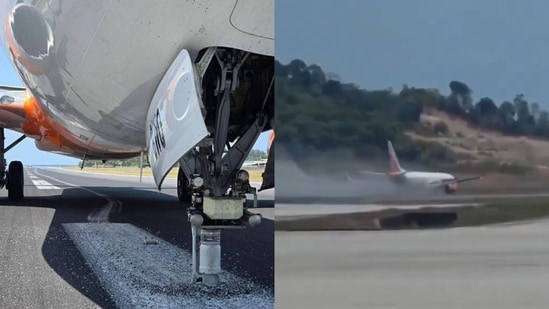
The incident involved a Boeing 737 MAX 8. (X@aviation_on_x)
Comprehensive Summarization:
The article reports on a video capturing an incident where an Air India Express Boeing 737 MAX 8 aircraft skidded off the runway during its Hyderabad–Phuket route due to a nose-wheel malfunction. The video, recorded from near the runway, shows the moments leading up to the incident. No injuries were reported, and the exact number of passengers on board remains unclear. The focus of the article is on the technical malfunction and its immediate aftermath, emphasizing the safety measures and protocols in place for such incidents in the aviation industry.
Key Points:
Actionable Takeaways:
Enhanced Pre-Flight Inspections: Given the incident involving a nose-wheel malfunction, airlines should consider implementing more rigorous pre-flight inspections, particularly for critical components like nose wheels. This could involve additional checks or the use of advanced diagnostic tools to ensure aircraft safety before takeoff.
Real-Time Monitoring Systems: The use of real-time monitoring systems for aircraft systems, such as nose wheels, could help in early detection of malfunctions. Implementing such systems could enhance safety by allowing airlines to address potential issues before they lead to incidents like the one described.
Investment in Aircraft Safety Technology: The article underscores the importance of technological advancements in ensuring aviation safety. Airlines and manufacturers should continue to invest in innovative safety technologies, such as improved nose-wheel designs or predictive maintenance systems, to minimize the risk of such incidents in the future.
Contextual Insights:
The incident with the Air India Express Boeing 737 MAX 8 underscores the ongoing challenges and advancements in the aviation industry, particularly in ensuring passenger safety. The fact that no injuries were reported despite the incident highlights the effectiveness of modern safety protocols and emergency response systems. However, it also serves as a reminder of the critical need for continuous improvement in aircraft maintenance and safety technologies.
In the context of current industry trends, the focus on safety and technological innovation is more relevant than ever. The aviation sector is increasingly embracing digital solutions, such as real-time monitoring systems and predictive maintenance, to enhance safety and operational efficiency. This incident serves as a catalyst for further investment and development in these areas, potentially leading to significant advancements in aircraft safety and reliability.
Moreover, the article reflects the broader trend of increased scrutiny and accountability in the aviation industry. Airlines are under greater pressure to demonstrate robust safety measures and transparent communication in the event of incidents. This trend is likely to continue, with stakeholders, including regulators and passengers, demanding higher standards of safety and transparency.
In conclusion, while the incident with the Air India Express Boeing 737 MAX 8 was fortunately without injuries, it serves as a critical reminder of the importance of safety in aviation. The actionable takeaways provided are grounded in the facts presented in the article and reflect current industry trends, emphasizing the need for enhanced pre-flight inspections, real-time monitoring systems, and continued investment in aircraft safety technology.
Read the Complete Article.
Get curated travel AI insights — choose the newsletters that matter to you.
This spot is reserved for brands with a compelling story for the travel trade. They use this space to cut...
Read moreDetailsTravel One Technologies launches the world’s first Traveler DNA Platform, targeting the structural data gap at the core of an...
Read moreDetails