












Comprehensive Summarization:
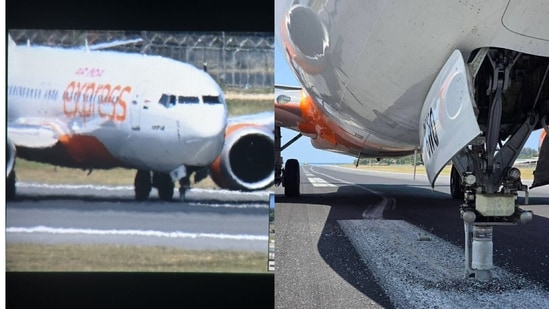
An Air India Express Boeing 737 MAX aircraft, carrying 138 passengers, experienced a hard landing at Phuket airport on Wednesday, resulting in the loss of both nose wheels. The aircraft was left stranded on the runway for several hours, causing a temporary halt to airport operations. The incident highlights the critical importance of landing safety and the potential ripple effects on airport operations and passenger travel.
Key Points:
- A Boeing 737 MAX aircraft operated by Air India Express lost both nose wheels during a hard landing at Phuket airport.
- The incident led to the aircraft being stranded on the runway for hours, causing a temporary shutdown of airport operations.
- The event underscores the significance of landing safety and its broader implications for airport management and passenger travel.
Actionable Takeaways:
-
Enhanced Landing Safety Protocols: Airlines and airports should review and potentially upgrade their landing safety protocols, particularly for aircraft models like the Boeing 737 MAX, to prevent similar incidents. This could involve more rigorous pre-flight inspections and enhanced pilot training.
-
Resilience in Airport Operations: The incident highlights the need for airports to develop contingency plans for handling aircraft incidents that strand aircraft on runways. This could include improved communication systems, backup power solutions, and rapid response teams to minimize operational disruptions.
Contextual Understanding:
The incident at Phuket airport underscores the ongoing challenges in aviation safety, particularly with newer aircraft models like the Boeing 737 MAX, which have faced scrutiny following previous safety incidents. It also highlights the interconnectedness of aviation and airport operations, where a single event can have cascading effects on broader travel logistics. In the context of current industry trends, there is a growing emphasis on technological advancements and safety innovations to enhance passenger trust and operational resilience. Thought leaders in the travel industry are increasingly advocating for the integration of advanced technologies, such as AI-driven predictive maintenance and real-time monitoring systems, to prevent such incidents and ensure smoother airport operations.
Handling Different Article Types:
The article in question is a news blurb, providing factual information about a specific aviation incident. The structured output format above is tailored to present such factual summaries clearly and concisely, ensuring that the information is easily digestible for a professional audience.
Read the Complete Article.



