












Article Summary:
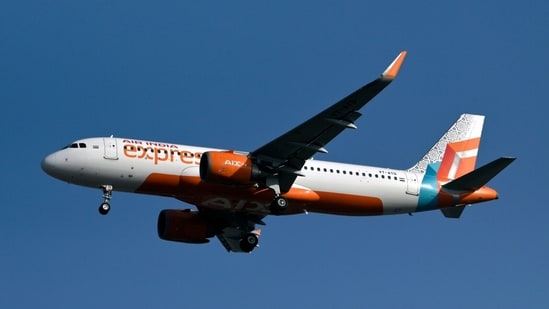
Air India Express welcomed its 51st Boeing 737-8 aircraft, which is its first line-fit aircraft, at Delhi’s Indira Gandhi International Airport. This aircraft is configured and designed to Air India Express specifications by Boeing, featuring a cabin designed to enhance comfort, space, and convenience. As part of this initiative, 50 Boeing 737-8 aircraft will be upgraded to a standardized 189-seat configuration, with two aircraft having already completed the retrofit.
Key Points:
- Air India Express received its 51st Boeing 737-8 aircraft at Delhi’s Indira Gandhi International Airport.
- The aircraft is the first line-fit aircraft for Air India Express, configured and designed according to their specifications.
- Boeing has upgraded 50 Boeing 737-8 aircraft to a standardized 189-seat configuration, with two aircraft already completed.
- The cabin design of the new aircraft is aimed at enhancing comfort, space, and convenience for passengers.
Actionable Takeaways:
- Upgrade to Standardized 189-Seat Configuration: This move by Air India Express signifies a shift towards standardizing aircraft configurations to optimize seating capacity and passenger experience. This trend is likely to influence other airlines to consider similar upgrades, potentially leading to increased efficiency and cost-effectiveness in the aviation sector.
- Enhanced Cabin Design for Passenger Comfort: The focus on enhancing cabin design to improve comfort, space, and convenience reflects a broader industry trend towards passenger-centric design. Airlines are increasingly investing in creating more comfortable and enjoyable travel experiences, which can lead to higher customer satisfaction and loyalty. This could also spur innovation in cabin design and in-flight services across the industry.
Contextual Insights:
The introduction of the line-fit Boeing 737-8 aircraft by Air India Express aligns with the current industry trend of upgrading older aircraft to modern standards. This trend is driven by the need for airlines to balance cost efficiency with passenger experience, especially in a competitive market where operational costs and customer satisfaction are critical factors. The focus on enhancing cabin design to improve passenger comfort also reflects a growing emphasis on the passenger experience in the travel industry. As airlines continue to invest in upgrading their fleets and improving in-flight services, we can expect to see further innovations in travel tech, particularly in areas such as cabin design, in-flight entertainment, and passenger amenities. This could have significant implications for travel startups and fintech innovations, as airlines seek to differentiate themselves through enhanced passenger experiences and operational efficiencies.
Read the Complete Article.


