












Article Summary:
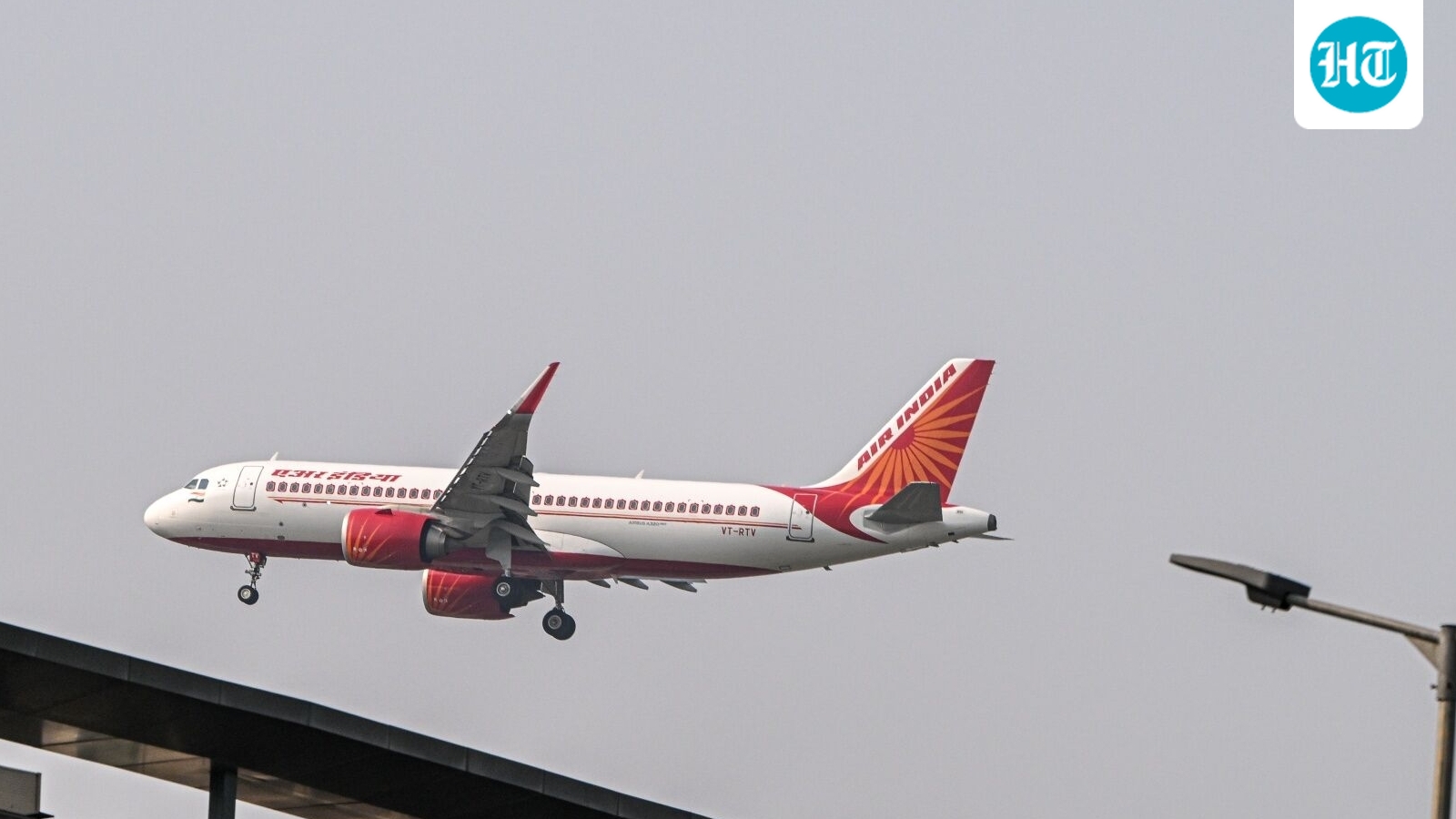
Air India reported on December 3, 2025, that one of its aircraft was operated without a valid airworthiness review certificate, describing the incident as “regrettable.” The airline immediately reported the issue to the Directorate General of Civil Aviation (DGCA) upon noticing it. All personnel involved in the decision to operate the aircraft have been suspended pending further review.
Key Points:
- Air India operated an aircraft without a valid airworthiness review certificate, which the airline described as “regrettable.”
- The incident was immediately reported to the Directorate General of Civil Aviation (DGCA) upon discovery.
- All personnel involved in the decision to operate the aircraft have been suspended pending further review.
Actionable Takeaways:
- Enhanced Compliance Checks: Airline operators must implement stringent compliance checks and procedures to ensure all aircraft are operated with valid airworthiness review certificates. This is crucial for maintaining safety standards and avoiding regulatory penalties. The incident highlights the importance of rigorous pre-flight inspections and adherence to regulatory guidelines.
- Swift Reporting Mechanisms: Airlines should establish swift reporting mechanisms to regulatory bodies upon noticing any discrepancies or violations. This ensures timely intervention and corrective actions, as demonstrated by Air India’s immediate reporting to the DGCA. Such mechanisms are essential for maintaining transparency and accountability in the aviation industry.
- Investment in Safety Technology: There is a growing trend towards investing in advanced safety technologies and systems to prevent such incidents. Airlines should consider adopting state-of-the-art aircraft maintenance technologies and digital platforms for real-time compliance tracking. This not only enhances safety but also improves operational efficiency and customer trust.
Contextual Insights:
The incident underscores the critical importance of safety in the aviation industry, especially in light of recent global events that have emphasized the need for stringent regulatory compliance. The use of advanced technologies for real-time compliance tracking and safety monitoring is becoming increasingly prevalent, reflecting a broader industry trend towards digital transformation. Airlines that embrace these innovations are likely to gain a competitive edge by ensuring safety, enhancing operational efficiency, and building customer trust. The incident also highlights the need for continuous training and awareness programs for airline personnel to ensure adherence to safety protocols and regulatory requirements.
Read the Complete Article.


