












Comprehensive Summarization:
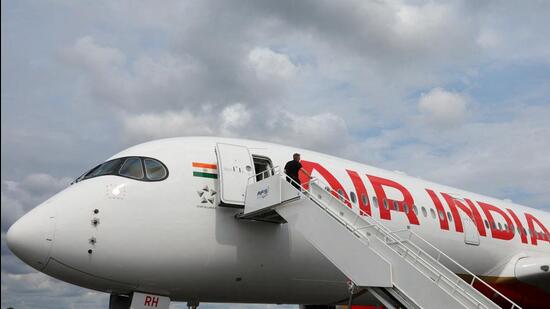
The article reports a significant incident involving an Air India Airbus A350 aircraft on the Delhi-New York route. The aircraft suffered engine damage after a cargo container, left unattended, was sucked into the plane’s second engine during taxiing in dense fog at Indira Gandhi International Airport. The airline, in response, is assisting passengers with alternative travel arrangements and refunds. This incident highlights the challenges faced by airlines in maintaining operational safety and passenger satisfaction, especially in adverse weather conditions.
Key Points:
- An Air India Airbus A350 aircraft experienced engine damage due to a cargo container being sucked into its engine during taxiing in dense fog at Indira Gandhi International Airport.
- The incident occurred on Thursday morning, causing operational disruptions for the flight AI 101.
- Air India is proactively assisting affected passengers with alternative travel arrangements and refunds.
- The event underscores the importance of cargo handling procedures and the impact of adverse weather conditions on aviation safety.
Actionable Takeaways:
-
Enhanced Cargo Handling Protocols: Airlines should review and enhance their cargo handling procedures, especially in adverse weather conditions, to prevent similar incidents. This includes stricter checks and clear communication with ground staff to ensure no unattended cargo is present during critical phases of flight operations.
-
Operational Flexibility and Passenger Support: Airlines must prioritize operational flexibility and robust passenger support systems. In the event of unforeseen incidents, having contingency plans for passenger re-routing and refunds can mitigate negative impacts on brand reputation and customer loyalty.
-
Investment in Advanced Weather Monitoring Systems: The incident highlights the need for airlines to invest in advanced weather monitoring and predictive analytics systems. These technologies can provide real-time insights into weather conditions, enabling airlines to make informed decisions regarding flight operations and passenger safety.
Contextual Insights:
The incident at Indira Gandhi International Airport underscores the ongoing challenges faced by the aviation industry in ensuring safety and efficiency, particularly in challenging weather conditions. It highlights the critical role of cargo handling procedures and the need for airlines to have contingency plans in place for unforeseen events. The focus on passenger support and operational flexibility is crucial in maintaining trust and loyalty among travelers. Furthermore, the incident emphasizes the importance of investing in advanced technologies for weather monitoring and predictive analytics, which can enhance decision-making processes and improve overall operational resilience in the face of adverse conditions. These insights are pertinent to the current travel industry trends, where safety, passenger experience, and technological innovation are key drivers of success.
Read the Complete Article.


