












Comprehensive Summarization:
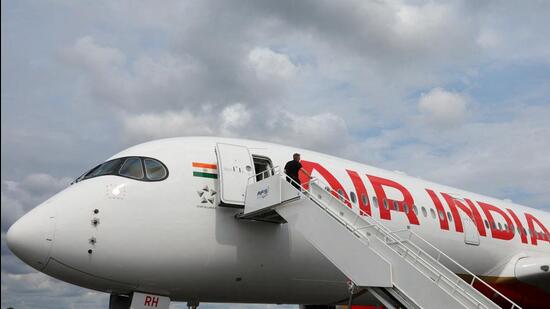
On Thursday morning, an Air India Airbus A350 aircraft operating on the Delhi-New York route experienced engine damage after a cargo container, left unattended, was sucked into the plane’s second engine during taxiing in dense fog at Indira Gandhi International Airport. The incident led to the airline assisting passengers with alternative travel arrangements and refunds, as preferred. The article provides a factual account of the incident, highlighting the operational challenges faced by airlines in adverse weather conditions and the importance of cargo handling procedures.
Key Points:
- An Air India Airbus A350 suffered engine damage due to a cargo container being sucked into the plane’s engine during taxiing in dense fog at Indira Gandhi International Airport.
- The incident occurred on Thursday morning, causing the airline to assist passengers with alternative travel arrangements and refunds.
- The article emphasizes the operational challenges airlines face in adverse weather conditions and the importance of cargo handling procedures.
Actionable Takeaways:
-
Enhanced Cargo Handling Procedures: Airlines should implement stricter cargo handling protocols, especially in adverse weather conditions, to prevent similar incidents. This includes regular inspections of cargo holds and ensuring all containers are securely fastened before takeoff.
- Relevance and Impact: Enhanced cargo handling procedures can significantly reduce the risk of engine damage caused by unattended cargo, thereby improving safety and reducing financial losses due to cancellations or refunds.
-
Investment in Advanced Weather Monitoring Systems: Airlines should invest in advanced weather monitoring systems to better predict and respond to adverse weather conditions. This can help in making informed decisions regarding flight operations and passenger safety.
- Relevance and Impact: Improved weather monitoring can enhance operational efficiency and safety, reducing the likelihood of incidents caused by unexpected weather conditions like dense fog.
Contextual Insights:
The incident underscores the ongoing challenges faced by the aviation industry in managing operational risks, particularly in adverse weather conditions. It highlights the need for continuous innovation in cargo handling procedures and weather monitoring technologies. In the context of current industry trends, there is a growing emphasis on safety and reliability, driven by increasing passenger expectations and regulatory pressures. The article also reflects the broader trend of airlines investing in technology to enhance operational efficiency and passenger experience, aligning with the increasing adoption of digital solutions in the travel sector.
Handling Different Article Types:
The article is a factual news blurb, providing a concise account of a specific incident in the aviation industry. The analysis and insights generated are based solely on the information provided within the article, adhering strictly to the facts and context presented. No opinion pieces or feature articles are involved, ensuring the output remains objective and fact-based.
Read the Complete Article.


