












Article Summary:
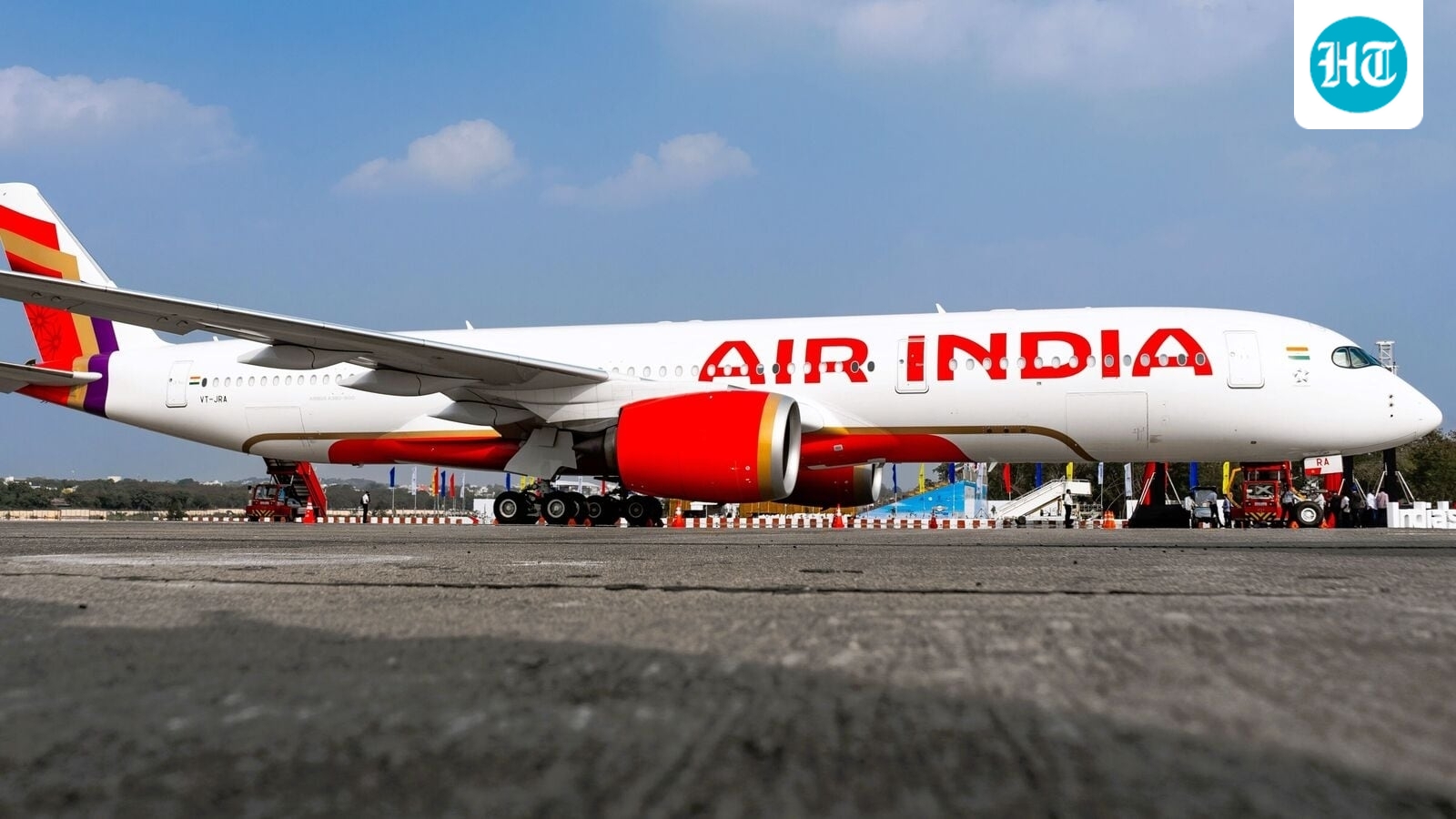
Air India reported that a flight from Delhi to Ahmedabad experienced a false smoke alarm shortly after takeoff on Thursday evening. The aircraft safely returned to Delhi following standard operating procedures. The airline promptly conducted thorough checks and confirmed the alarm was false. Alternative arrangements were made to ensure all passengers reached Ahmedabad as planned.
Key Points:
- An Air India flight returning to Delhi due to a false smoke alarm on Thursday evening.
- The aircraft landed safely in Delhi following standard operating procedures.
- The false alarm was confirmed after thorough checks by the airline.
- Alternative arrangements were made to ensure passengers reached Ahmedabad without delay.
Actionable Takeaways:
- Enhanced Smoke Alarm Systems: The incident underscores the importance of robust and reliable smoke detection systems in aviation. Investing in advanced technology could prevent similar false alarms, enhancing passenger safety and trust in air travel.
- Rapid Response Protocols: The airline’s swift response to the false alarm, including thorough checks and alternative arrangements, highlights the importance of well-defined emergency protocols. Airlines should continuously refine their response strategies to minimize disruptions and maintain operational efficiency.
- Communication and Passenger Safety: Effective communication during such incidents is crucial. Airlines must ensure clear and timely updates to passengers, reassuring them of their safety and the steps being taken to resolve the situation. This can help maintain passenger confidence and satisfaction.
Contextual Insights:
The incident with Air India highlights the ongoing challenges in aviation safety, particularly concerning smoke detection systems. As the travel industry continues to evolve, there is a growing emphasis on integrating cutting-edge technologies to enhance safety and operational efficiency. Innovations in smoke alarm systems, coupled with robust emergency response protocols, are essential for maintaining high standards of safety and passenger trust. Furthermore, the incident underscores the need for airlines to communicate effectively with passengers, ensuring transparency and reassurance during unexpected events. This aligns with current industry trends focusing on technological advancements and customer-centric approaches in travel management.
Read the Complete Article.


