












Comprehensive Summarization:
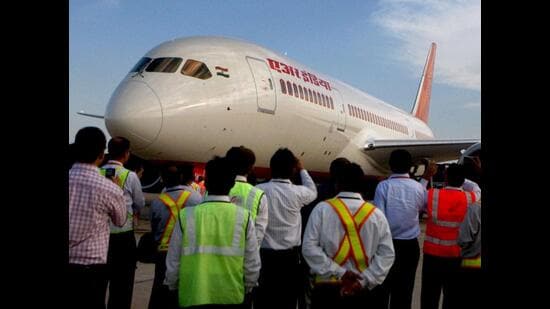
The Air India group has announced a phased increase in fuel surcharges across its domestic and international network due to a sharp rise in jet fuel prices. This increase is attributed to the conflict in West Asia, which has led to significant price escalation in aviation turbine fuel (ATF). ATF accounts for nearly 40% of an airline’s operating costs and has seen substantial price hikes since early March due to supply interruptions. The article also touches on the broader context of travel trends and insights from thought leaders, highlighting the impact of fuel price fluctuations on the travel industry.
Key Points:
- Air India has announced a phased increase in fuel surcharges across its network.
- The increase is due to a sharp rise in jet fuel prices, primarily driven by the conflict in West Asia.
- Aviation turbine fuel (ATF) has seen significant price escalation since early March due to supply interruptions.
- ATF accounts for nearly 40% of an airline’s operating costs.
- The article references the latest travel trends and insights from thought leaders in the industry.
Actionable Takeaways:
-
Fuel Cost Management: Airlines must implement robust strategies to manage fuel cost fluctuations, such as hedging mechanisms or adjusting pricing models to cushion the impact on passengers. This is crucial given that ATF constitutes nearly 40% of an airline’s operating costs.
-
Supply Chain Resilience: The article highlights the vulnerability of the aviation industry to geopolitical events affecting fuel supply. Companies should focus on building resilient supply chains and exploring alternative fuel sources to mitigate risks associated with geopolitical tensions.
-
Passenger Communication: Effective communication with passengers regarding fare increases due to fuel surcharges is essential. Airlines should provide clear explanations to maintain transparency and trust, which is increasingly important in the current travel landscape.
Contextual Understanding:
The article reflects the current state of the travel industry, where fuel price volatility is a significant concern. The conflict in West Asia has led to supply interruptions, causing a sharp rise in jet fuel prices. This context is crucial for understanding the financial pressures faced by airlines like Air India. The emphasis on fuel cost management aligns with broader industry trends, where cost control and operational efficiency are paramount. Additionally, the article underscores the importance of transparent communication with passengers, a trend that is gaining traction as the industry seeks to maintain customer trust amid economic uncertainties.
Handling Different Article Types:
The article is a news brief providing factual information about Air India’s decision to increase fuel surcharges. It does not present an opinion piece or a feature article. Therefore, the analysis focuses on factual information and actionable insights derived from the provided content.
Read the Complete Article.



