












Article Summary:
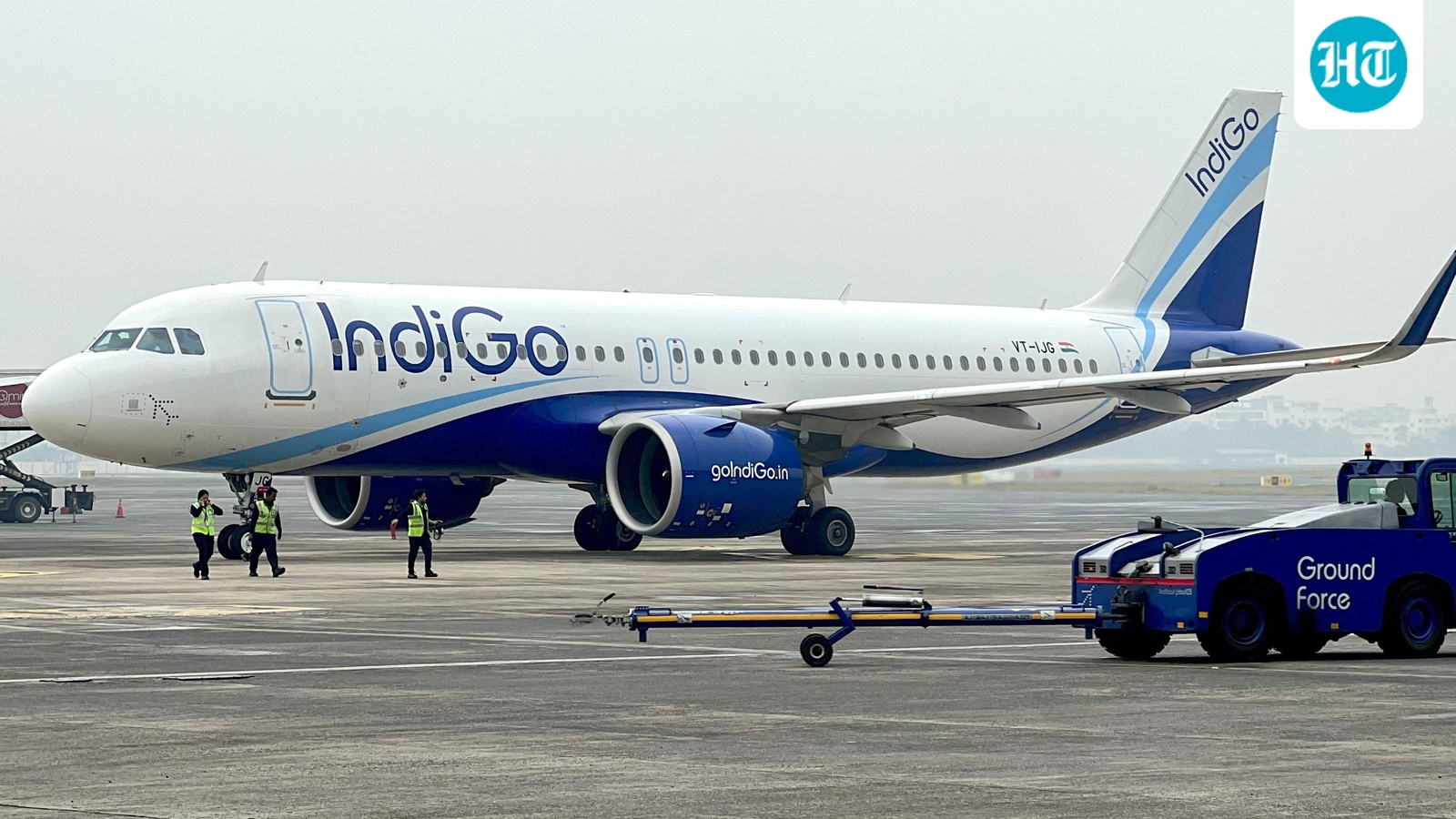
The article reports on potential flight disruptions for airlines such as IndiGo, Air India, and Air India Express due to a possible issue with the flight controls in their Airbus A320 family planes. This issue comes in the wake of an incident where 15 passengers on a JetBlue-operated Airbus A320 flight were injured due to a sudden drop in altitude, leading to an emergency landing in Florida. The airline industry is currently grappling with this issue, which has prompted airlines to address and potentially mitigate the risks associated with the A320 family aircraft.
Key Points:
- Several major airlines, including IndiGo, Air India, and Air India Express, are facing potential disruptions due to concerns over the safety of their Airbus A320 family planes.
- The incident involving a JetBlue-operated Airbus A320 flight, which resulted in injuries to 15 passengers, has heightened awareness and concern about the safety of these aircraft.
- The article highlights the importance of addressing and resolving issues related to flight controls in the A320 family planes to ensure the safety and reliability of air travel.
Actionable Takeaways:
-
Enhanced Safety Protocols: Airlines should implement enhanced safety protocols and thorough inspections for their Airbus A320 family planes to address potential issues with flight controls. This is crucial for maintaining passenger safety and trust in the airline industry.
-
Investment in Aircraft Maintenance: Airlines should consider investing in advanced maintenance technologies and training for their maintenance crews to ensure that any potential issues with the A320 family planes are promptly identified and resolved. This proactive approach can prevent disruptions and enhance operational efficiency.
-
Collaboration with Aircraft Manufacturers: Airlines should collaborate closely with aircraft manufacturers like Airbus to stay informed about any updates, recalls, or safety advisories related to the A320 family planes. This collaboration can help airlines proactively manage risks and ensure compliance with the latest safety standards.
Contextual Insights:
The recent incident involving a JetBlue-operated Airbus A320 flight underscores the critical importance of aircraft safety in the travel industry. The sudden drop in altitude leading to an emergency landing highlights the potential risks associated with the A320 family planes. This event serves as a reminder for airlines to prioritize safety and reliability in their operations, particularly when operating aircraft with known or potential issues.
In the broader context of the travel industry, the focus on safety and reliability is increasingly becoming a key differentiator for airlines. As the industry continues to evolve with technological advancements and increasing competition, airlines that prioritize safety and invest in modern maintenance practices are likely to gain a competitive edge. Furthermore, the collaboration between airlines and aircraft manufacturers is essential for staying ahead of emerging safety challenges and ensuring that airlines are equipped with the latest technologies and best practices.
The article also reflects the ongoing trend of airlines being proactive in addressing potential safety issues. By taking swift and decisive action, airlines can mitigate risks, enhance passenger confidence, and maintain their reputation in a highly competitive market. This proactive approach not only benefits airlines but also contributes to the overall safety and reliability of air travel, which is a top priority for passengers worldwide.
Read the Complete Article.


