












Article Summary:
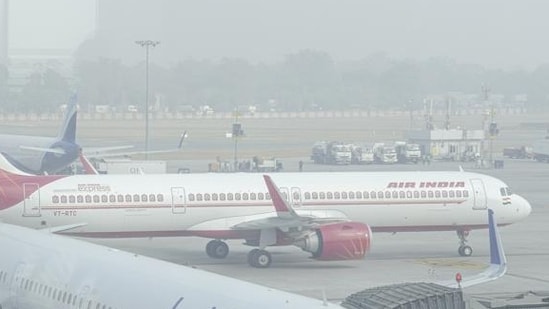
An Air India Boeing 777, carrying around 355 passengers, had to return to Delhi from Mumbai on Monday morning due to an engine issue. During take-off, the flight crew observed low engine oil pressure on the right engine, prompting a return after about an hour in the air. The Directorate General of Civil Aviation (DGCA) confirmed the incident.
Key Points:
- The Boeing 777 experienced low engine oil pressure on the right engine during take-off, leading to a return to Delhi.
- The aircraft was carrying approximately 355 passengers and crew members.
- The incident was reported by the Directorate General of Civil Aviation (DGCA).
Actionable Takeaways:
- Enhanced Pre-Takeoff Checks: Airlines should implement more rigorous pre-takeoff checks, particularly focusing on engine oil pressure, to prevent similar incidents. This could involve additional training for flight crews and the use of advanced diagnostic tools to detect potential issues early.
- Investment in Engine Technology: There is a clear need for advancements in engine technology to reduce the likelihood of such issues. Airlines and manufacturers should collaborate on developing more reliable engines with better predictive maintenance capabilities.
- Regulatory Review and Strengthening: Regulatory bodies like the DGCA should review and possibly strengthen their guidelines and protocols for engine performance monitoring and emergency procedures. This could include more frequent inspections and updates to safety protocols based on real-world incidents.
Contextual Insights:
The incident highlights the critical importance of engine reliability in air travel, especially for long-haul flights that carry a significant number of passengers. Recent trends in the travel industry show a growing emphasis on safety and technological innovation to enhance passenger experience and operational efficiency. The use of advanced analytics and AI in predictive maintenance is becoming increasingly prevalent, offering airlines the ability to foresee and prevent potential engine failures. This incident serves as a reminder of the ongoing need for continuous improvement in both safety protocols and technological solutions within the aviation sector. As the industry moves forward, integrating real-time monitoring systems and fostering a culture of safety and innovation will be crucial in maintaining high standards of air travel.
Read the Complete Article.


