












Comprehensive Summarization:
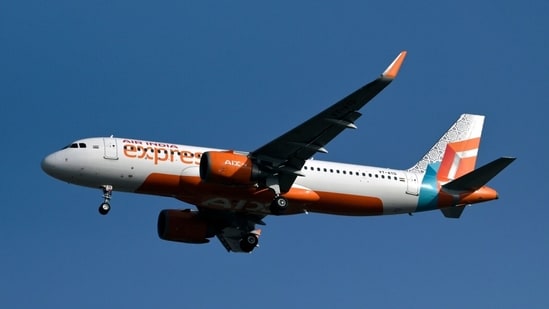
The article reports an incident where an Air India pilot was removed from duty before take-off in Vancouver on December 23 due to concerns about “fitness for duty” raised by Canadian authorities. This event, confirmed by the Tata-owned carrier on Thursday, led to a delay for passengers on flight AI186 from Vancouver to Delhi. Additionally, the article highlights an initiative by Air India to upgrade 50 Boeing 737-8 aircraft to a standardized 189-seat configuration, with two aircraft already completed. This upgrade is part of a broader effort to enhance the airline’s operational efficiency and passenger experience.
Key Points:
- An Air India pilot was removed from duty before take-off in Vancouver due to concerns about fitness for duty, resulting in a delay for flight AI186 to Delhi.
- The incident underscores the importance of pilot fitness and regulatory compliance in aviation operations.
- Air India is implementing a significant upgrade to its Boeing 737-8 fleet, standardizing the seating configuration to 189 passengers per aircraft, with two aircraft already retrofitted.
- This upgrade is part of Air India’s strategy to improve operational efficiency and passenger experience.
Actionable Takeaways:
-
Enhanced Pilot Screening Protocols: Airlines should consider implementing more rigorous fitness-for-duty protocols, possibly incorporating advanced health monitoring technologies, to ensure passenger safety and regulatory compliance. This could mitigate risks associated with pilot-related incidents and enhance operational safety.
-
Aircraft Fleet Modernization: Investing in fleet modernization, such as upgrading aircraft to more efficient configurations, can lead to cost savings, improved passenger comfort, and increased operational efficiency. For airlines like Air India, this upgrade could enhance competitiveness and customer satisfaction.
-
Focus on Passenger Experience: The upgrade to a standardized seating configuration reflects a broader trend in the travel industry towards enhancing passenger experience through improved comfort and service. Airlines should continue to innovate in this area to meet evolving customer expectations and stay ahead in a competitive market.
Contextual Insights:
The incident involving the Air India pilot highlights the critical role of regulatory compliance and pilot fitness in aviation operations. In the current travel landscape, characterized by stringent safety regulations and a focus on passenger safety, such incidents serve as a reminder of the importance of robust screening processes and continuous training for aviation personnel. The upgrade of the Boeing 737-8 fleet by Air India aligns with broader industry trends towards modernizing aircraft to improve efficiency and passenger experience. This move reflects a strategic response to the growing demand for more comfortable and efficient travel options, driven by technological advancements and changing consumer preferences. As the travel industry continues to evolve, innovations in pilot training, aircraft modernization, and passenger experience will be key drivers of success for airlines aiming to maintain a competitive edge.
Read the Complete Article.


