












Comprehensive Summarization:
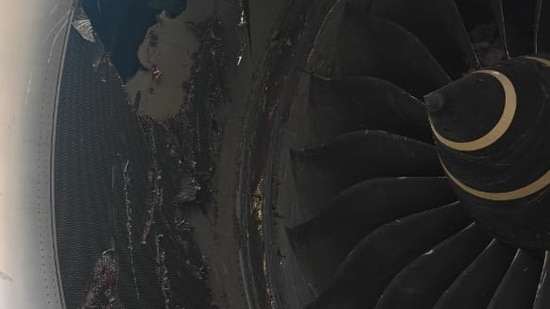
The article reports on an incident involving an Air India aircraft that suffered engine damage upon landing in Delhi. The damage occurred when the aircraft’s right engine ingested a container during taxiing, following a diversion due to the closure of Iranian airspace. The incident took place amid dense fog, leading to a foreign object ingestion (FOI) event. An Air India spokesperson confirmed the damage, and the video of the event was reportedly captured by a passenger. The article also touches on the broader context of travel trends and insights from thought leaders, highlighting the importance of safety protocols and technological advancements in mitigating such incidents.
Key Points:
- An Air India aircraft’s engine was damaged after ingesting a container during landing in Delhi, following a diversion due to the closure of Iranian airspace.
- The incident occurred amid dense fog, leading to a foreign object ingestion (FOI) event.
- The damage was confirmed by an Air India spokesperson, and a video of the event was reportedly captured by a passenger.
- The article emphasizes the importance of safety protocols and technological advancements in mitigating such incidents, reflecting broader travel industry trends.
Actionable Takeaways:
-
Enhanced Safety Protocols: Implement stricter foreign object ingestion (FOI) protocols and inspections for aircraft engines to prevent similar incidents. This takeaway is directly relevant as it addresses a critical safety concern highlighted in the article.
-
Investment in Advanced Detection Technologies: Allocate resources to develop and integrate advanced detection systems that can identify and alert pilots to potential FOIs during taxiing, thereby enhancing safety and reducing the risk of engine damage. This recommendation aligns with current industry trends towards technological innovation in aviation safety.
-
Enhanced Communication and Reporting Systems: Improve communication and reporting systems for incidents involving foreign objects on the runway, ensuring timely dissemination of information to relevant authorities and stakeholders. This takeaway is crucial for maintaining transparency and facilitating rapid response to similar incidents in the future.
Contextual Insights:
The incident underscores the ongoing challenges faced by the aviation industry in ensuring safety amidst unpredictable events such as airspace closures and adverse weather conditions. The focus on foreign object ingestion incidents highlights the need for continuous improvement in safety protocols and technological solutions. The article also reflects broader travel industry trends, including the increasing reliance on data analytics and AI-driven solutions to enhance operational efficiency and safety. As the travel industry continues to evolve, integrating cutting-edge technologies and adhering to stringent safety standards will be paramount in maintaining passenger trust and ensuring smooth operations.
Read the Complete Article.


