












Comprehensive Summarization:
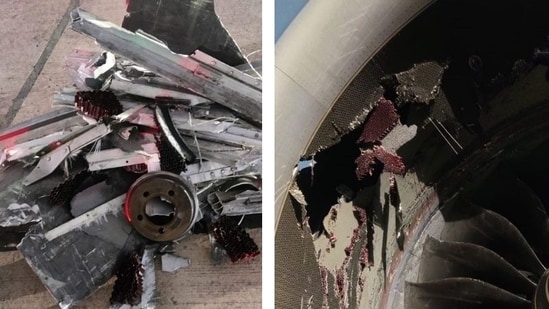
Following a freak accident involving an Air India Airbus A350 aircraft at Delhi’s Indira Gandhi International Airport on Thursday morning, the Directorate General of Civil Aviation (DGCA) announced an investigation into the incident. The aircraft suffered damage after a cargo container lying unattended was sucked into the plane’s second engine when it was taxiing amid dense fog. The incident highlights the critical importance of cargo management and airport safety protocols, especially in adverse weather conditions. The article also touches on the broader travel trends and insights from thought leaders, providing a snapshot of the current state of the travel industry.
Key Points:
- An Air India Airbus A350 aircraft suffered engine damage at Delhi’s Indira Gandhi International Airport due to a cargo container being sucked into the plane’s second engine during taxiing in dense fog.
- The Directorate General of Civil Aviation (DGCA) has launched an investigation into the incident.
- The article emphasizes the need for stringent cargo management and airport safety protocols, particularly in challenging weather conditions.
- It also references the latest travel trends and insights from thought leaders, offering a forward-looking perspective on the travel industry.
Actionable Takeaways:
-
Enhanced Cargo Management Protocols: Implementing stricter cargo management protocols at airports, especially in adverse weather conditions, is crucial to prevent similar incidents. This includes better coordination between ground staff, pilots, and cargo handlers to ensure all cargo is securely stowed before takeoff.
-
Investment in Advanced Weather Monitoring Systems: Investing in advanced weather monitoring systems can help airports and airlines better anticipate and respond to adverse weather conditions, such as dense fog, thereby reducing the risk of accidents involving cargo containers.
-
Focus on Airport Safety Training: Enhancing safety training for airport staff, particularly in handling emergencies involving cargo, can improve response times and outcomes in case of similar incidents. This training should include simulations and drills to prepare staff for various scenarios.
Contextual Insights:
The incident underscores the vulnerabilities in airport operations, particularly in managing cargo during adverse weather conditions. It highlights the need for a multi-faceted approach that combines technological advancements, stringent protocols, and comprehensive staff training. In the context of current industry trends, the focus on safety and efficiency is more critical than ever. The travel industry is increasingly adopting technologies such as AI and IoT to enhance operational efficiency and safety. For instance, AI-driven predictive analytics can help in forecasting weather conditions and optimizing flight schedules, while IoT devices can monitor cargo securely in real-time. These innovations not only mitigate risks but also enhance the overall travel experience for passengers. The incident also serves as a reminder of the importance of continuous improvement in safety protocols, reflecting the dynamic and evolving nature of the travel sector.
Read the Complete Article.


