












Article Summary:
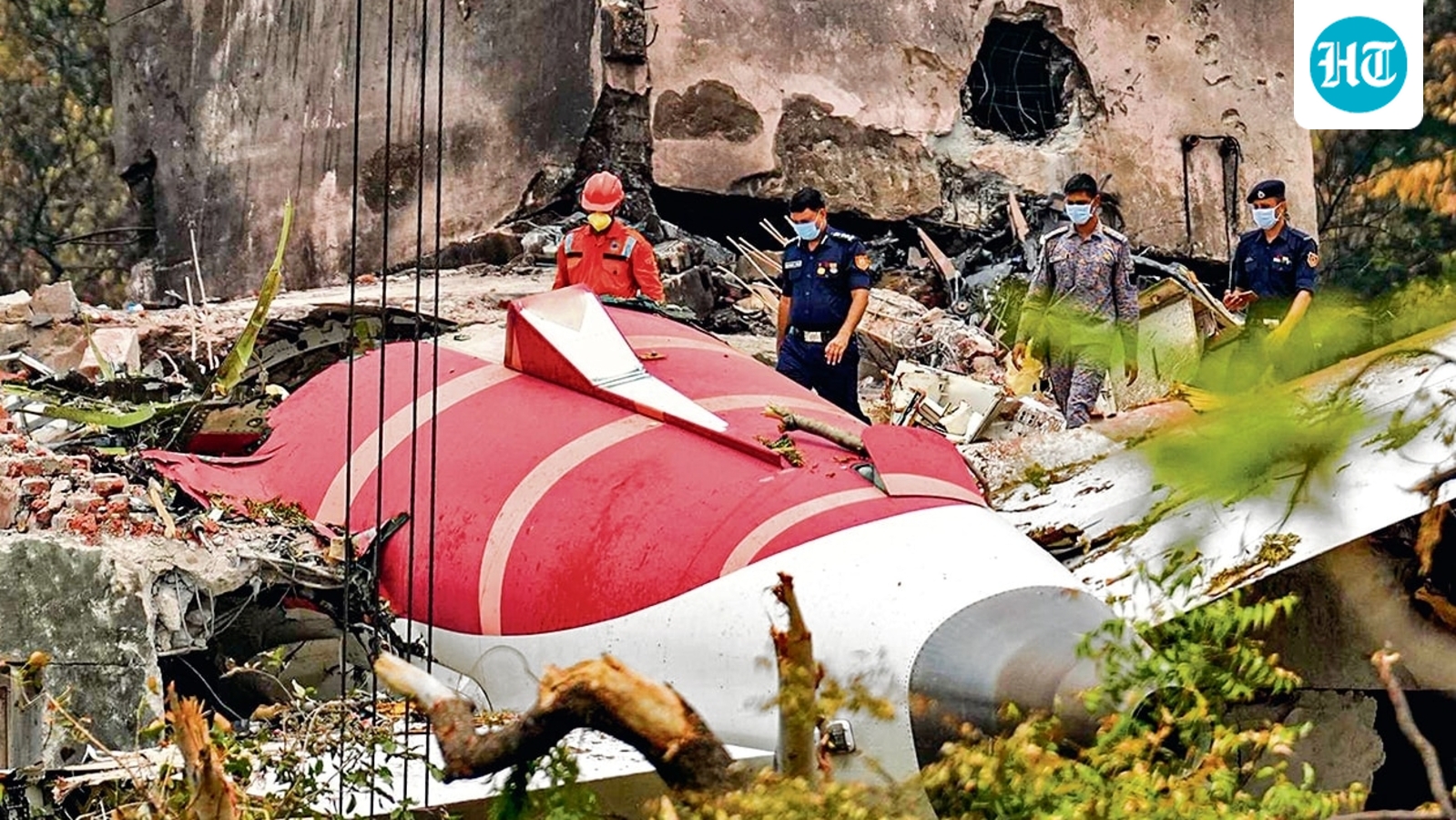
The Centre informed the Supreme Court that there was “no attempt to apportion blame on anyone” in the ongoing investigation by the Aircraft Accident Investigation Board (AAIB) into the Air India Boeing 787 Dreamliner crash on June 12, which killed over 250 people. The court also clarified that the purpose of such inquiries is to ascertain the cause of the tragedy and prevent its recurrence, not to fix responsibility or assign fault. The article also mentions a plea by Captain Sabharwal’s father and the Federation of Indian Pilots for a court-monitored investigation into the crash.
Key Points:
- The AAIB investigation into the Air India Boeing 787 Dreamliner crash on June 12, which resulted in over 250 fatalities, has been conducted without assigning blame to any individual or entity.
- The Supreme Court emphasized that the objective of such investigations is to determine the cause of the tragedy and prevent its recurrence, rather than to assign responsibility or fault.
- A plea has been made for a court-monitored investigation into the crash by Captain Sabharwal’s father and the Federation of Indian Pilots.
Actionable Takeaways:
- Emphasis on Objective Investigation: The article underscores the importance of conducting investigations into aviation accidents without assigning blame. This approach fosters a culture of safety and continuous improvement in the aviation industry by focusing on root cause analysis and preventive measures rather than assigning fault. This can lead to enhanced safety protocols and regulatory frameworks in the aviation sector.
- Role of Court Oversight: The court’s clarification on the purpose of investigations highlights the need for judicial oversight in accident inquiries. This ensures that the investigation process remains unbiased and focused on factual findings, which can strengthen public trust in the aviation safety mechanisms and regulatory bodies.
Contextual Insights:
The article reflects a broader trend in the aviation industry towards adopting a blameless post-incident analysis approach, often referred to as “blameless post-mortem.” This methodology encourages organizations to focus on identifying systemic issues and implementing corrective actions to prevent future incidents. In the context of the travel industry, this trend is crucial as it directly impacts safety standards, regulatory compliance, and public trust. Furthermore, the plea for a court-monitored investigation underscores the ongoing scrutiny and demand for transparency and accountability in aviation safety investigations. This aligns with the current travel trends where passenger safety and regulatory compliance are paramount, and stakeholders are increasingly advocating for rigorous oversight and accountability in the industry.
Read the Complete Article.


