













Article Summary:
The article reports on the investigation into the deadly Air India Flight 171 crash, which occurred on June 12, resulting in the death of 260 people. The investigation has been marked by significant tensions between Indian and American authorities, particularly over the access to the blackboxes. The Wall Street Journal reported on this standoff, providing a detailed account of the events leading up to the crash and the subsequent investigation.
Key Points:
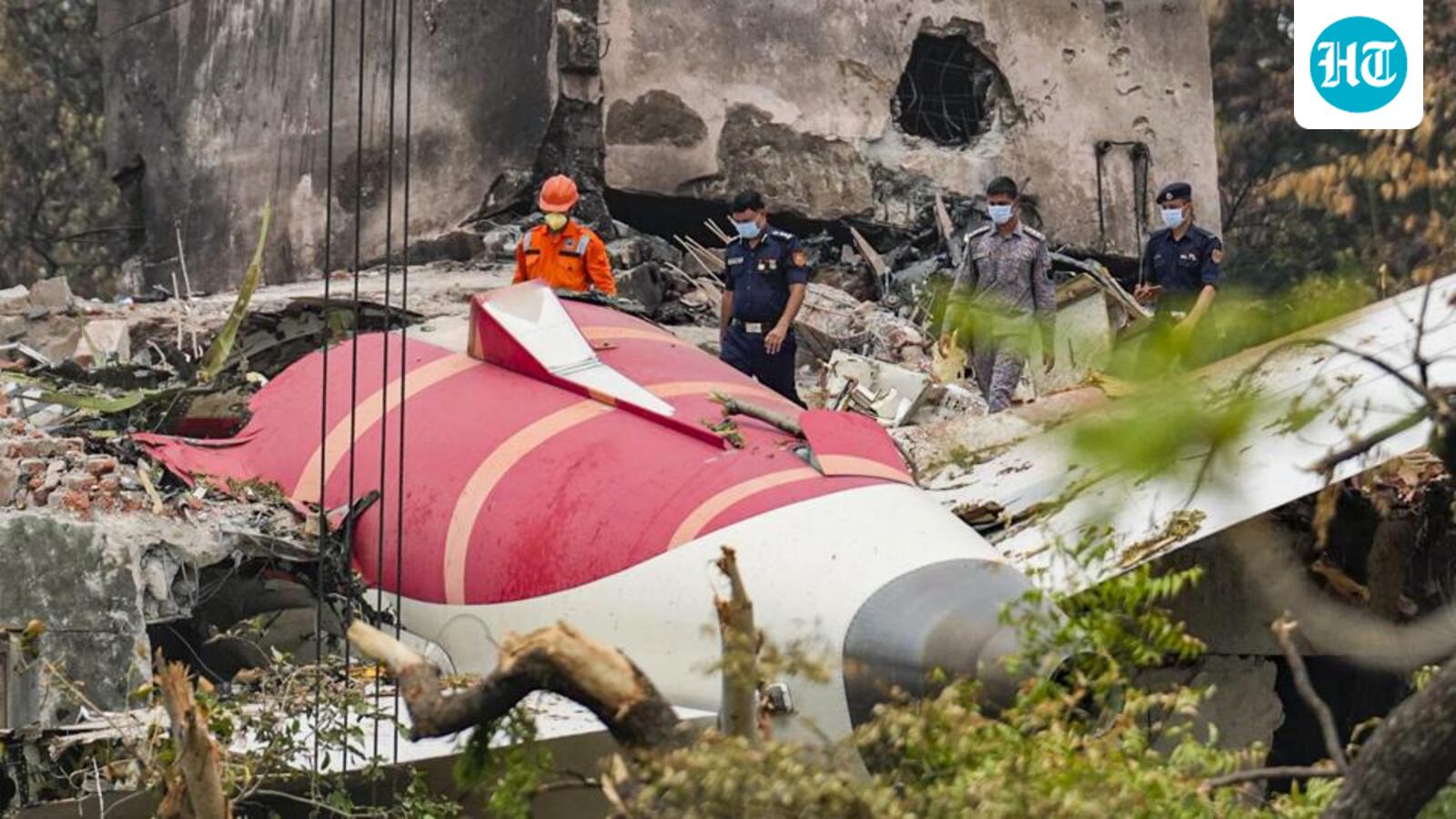
- The crash of Air India Flight 171 on June 12 killed 260 people, including all but one of the 242 people aboard the Boeing 787 Dreamliner and 19 on the ground.
- The investigation into the crash has been characterized by significant tensions between Indian and American authorities, including a standoff over the access to the blackboxes.
- The Wall Street Journal reported on the ongoing investigation, providing insights into the tensions and the investigative process.
Actionable Takeaways:
- Enhanced International Cooperation in Aviation Safety Investigations: The tensions between Indian and American authorities highlight the need for improved international cooperation in aviation safety investigations. This could lead to the establishment of standardized protocols for accessing critical data like blackboxes, ensuring a more efficient and collaborative approach to investigating aviation accidents.
- Importance of Blackbox Data in Accident Investigations: The standoff over blackbox access underscores the critical role of blackbox data in aviation accident investigations. This emphasizes the need for robust data recovery and analysis techniques to ensure that such data is accessible and usable in future investigations, potentially driving innovations in data recovery technologies within the aviation industry.
Contextual Insights:
The investigation into the Air India Flight 171 crash is a stark reminder of the complexities and challenges involved in international aviation safety investigations. The tensions between Indian and American authorities reflect broader issues of jurisdiction, data access, and cooperation in global aviation safety. This situation is indicative of the evolving landscape of aviation safety, where international collaboration is crucial for ensuring the safety of air travel. Looking forward, the article suggests a potential trend towards enhanced international protocols for accessing critical data in aviation accident investigations. This could have significant implications for travel startups and fintech innovations, particularly in the development of technologies that facilitate seamless data access and analysis across borders. As the travel industry continues to evolve, such advancements could play a pivotal role in improving safety standards and enhancing the overall travel experience.
Read the Complete Article.


