












Comprehensive Summarization:
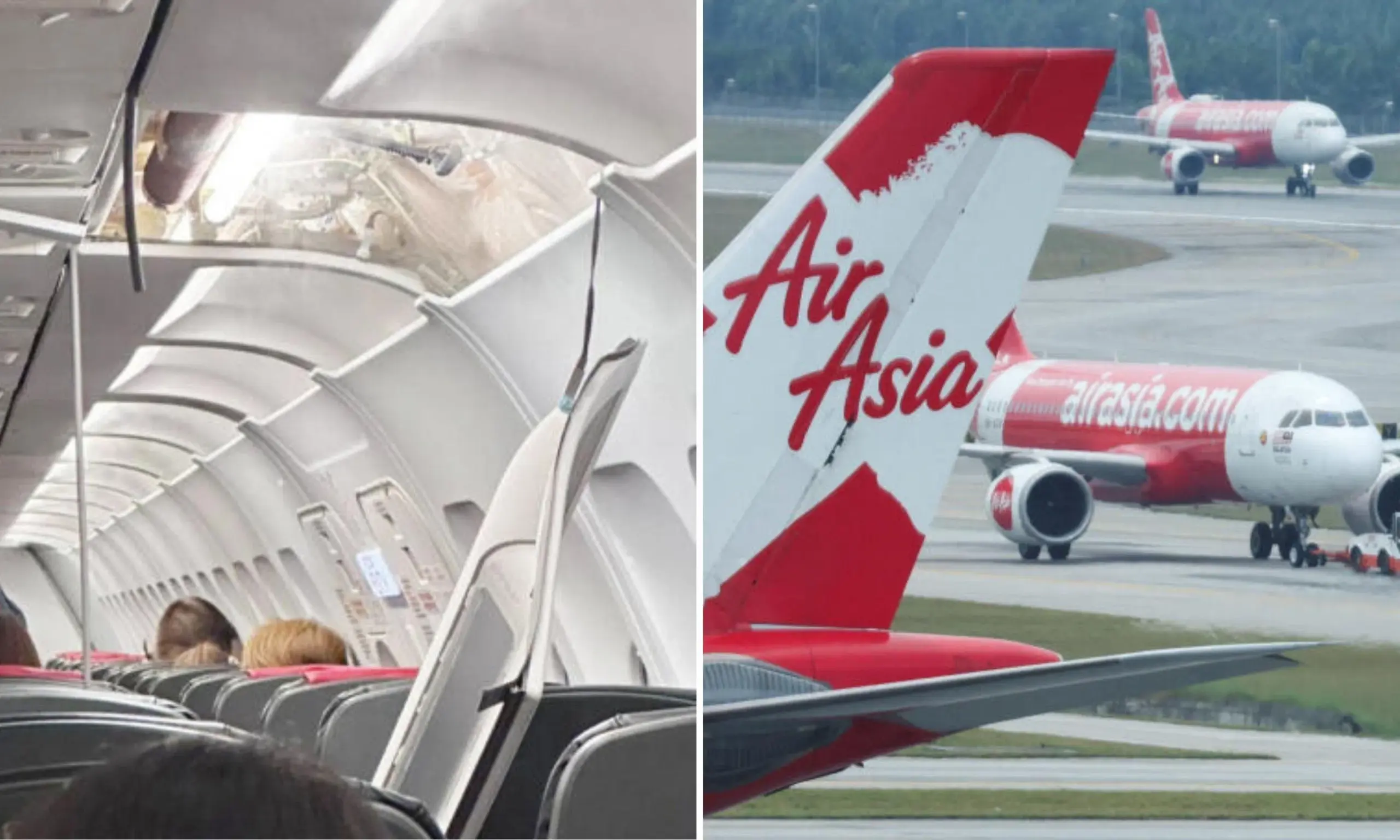
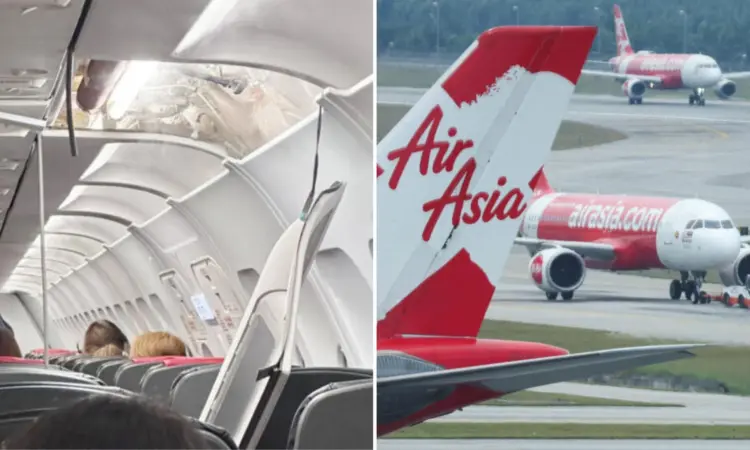
On April 4, a cabin panel fell during the landing of an AirAsia flight (Flight AK720) from Singapore to Kuala Lumpur. According to Shin Min Daily News, a section of the cabin ceiling came loose during landing but did not hit any passengers. A passenger, identified as Mr. Tan, reported that the incident occurred around 10:10 PM when the aircraft had just touched down. The landing appeared to be uneventful, and passengers were unharmed.
Key Points:
- A cabin panel fell during landing on an AirAsia flight from Singapore to Kuala Lumpur on April 4.
- The incident did not result in any passenger injuries.
- Mr. Tan, a passenger on the flight, confirmed the occurrence of the incident.
- The landing was reported to be uneventful by the passenger.
Actionable Takeaways:
-
Enhanced Cabin Safety Protocols: The incident highlights the importance of rigorous cabin safety inspections and maintenance protocols. Airlines should consider enhancing their procedures to prevent such incidents, potentially incorporating advanced predictive maintenance technologies to identify potential issues before they become critical.
-
Focus on Passenger Safety: This event underscores the paramount importance of passenger safety in aviation. Airlines and regulatory bodies should continue to prioritize safety measures, including real-time monitoring systems and emergency response training, to ensure passenger safety during critical phases of flight, such as landing.
Contextual Insights:
The incident on AirAsia Flight AK720 is a reminder of the ongoing challenges in aviation safety, particularly concerning cabin integrity. Recent trends in the travel industry have seen a growing emphasis on technological advancements to enhance safety and operational efficiency. Innovations such as AI-driven predictive maintenance and real-time monitoring systems are becoming increasingly prevalent. This incident could prompt airlines to invest further in such technologies, ensuring that they stay ahead of potential safety risks. Additionally, the event may influence regulatory bodies to tighten safety standards and inspections, reflecting a broader industry trend towards heightened vigilance and proactive safety measures. As the travel industry continues to evolve, such incidents serve as critical learning opportunities, driving improvements in safety protocols and fostering a culture of continuous improvement in aviation safety.
Read the Complete Article.



