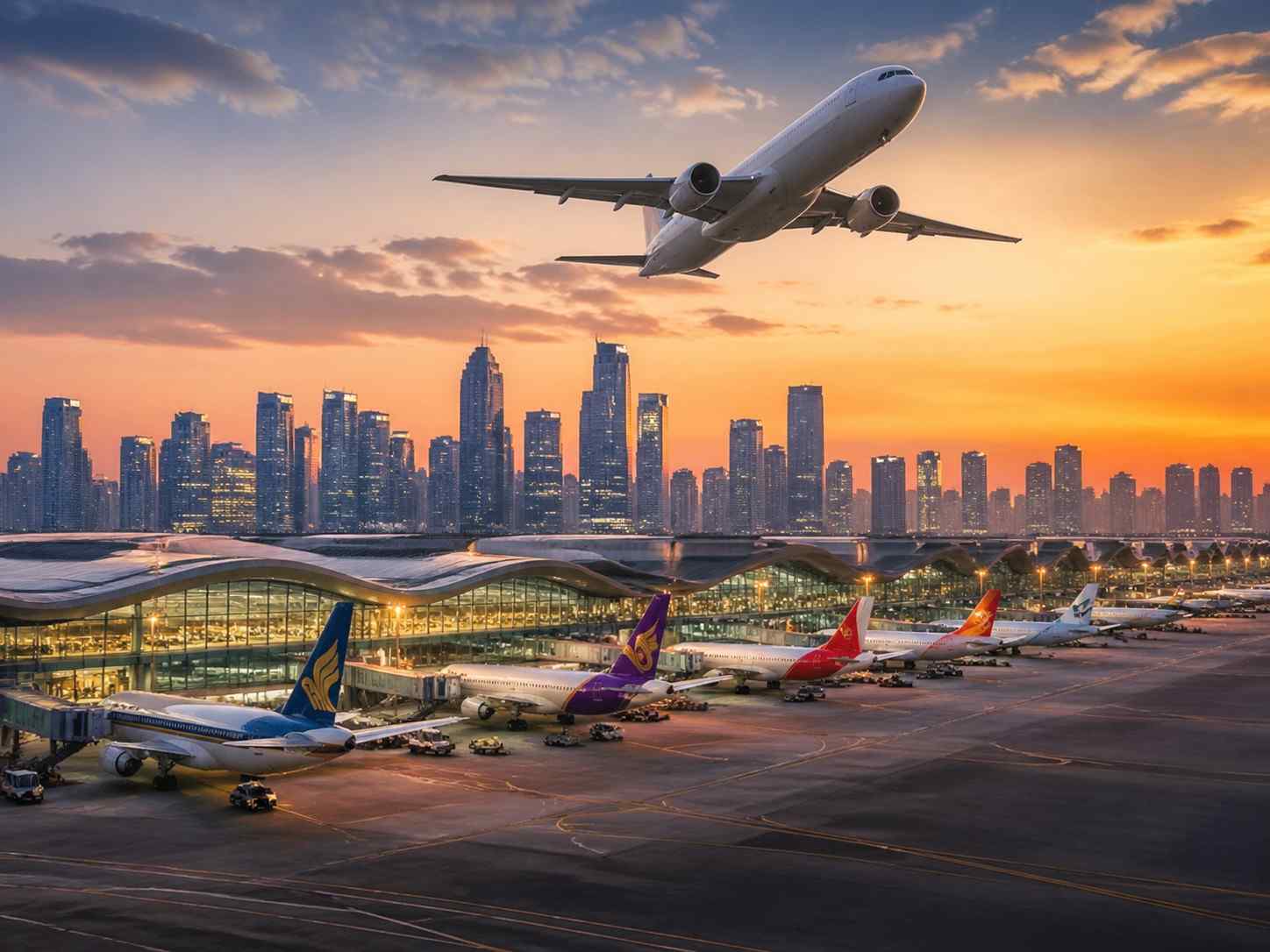
Singapore Airlines teams with Thai Airways, Malaysia Airlines, VietJet, AirAsia
THE NEWS: Analysis: Singapore Airlines is joining Thai Airways, Malaysia Airlines, VietJet and AirAsia in a drive to position Southeast...
Read moreDetailsEvery alert that matters — when it happens.

Comprehensive Summarization:
On January 22, 2015, Indonesian divers recovered six bodies near the main section of an AirAsia plane that crashed into the Java Sea last month. The divers managed to recover these bodies, some still belted into their seats, but were unable to reach the fuselage. This development is part of the ongoing investigation into the AirAsia QZ8501 crash, which occurred in December 2014, resulting in the loss of all 162 passengers and crew members on board.
Key Points:
Actionable Takeaways:
Enhanced Search and Rescue Technologies: The inability to reach the fuselage highlights the need for advancements in search and rescue technologies, particularly in deep-sea operations. Investing in more sophisticated underwater drones and sonar systems could improve the chances of recovering critical data from the fuselage in future incidents.
Improved Body Recovery Protocols: The recovery of bodies belted into their seats suggests that current body recovery protocols may need revision. Enhanced protocols that account for the likelihood of passengers being restrained could lead to more efficient and thorough recovery operations in future incidents.
Contextual Insights:
The recovery of bodies near the crash site of AirAsia Flight QZ8501 underscores the ongoing challenges in deep-sea search and rescue operations. This incident is a stark reminder of the risks associated with air travel and the critical importance of continuous improvement in search and rescue technologies. The aviation industry, particularly startups focused on maritime and aviation technologies, can leverage this incident to innovate and develop more effective solutions. Furthermore, the insights from this event can inform the development of more robust body recovery protocols, potentially benefiting not only the aviation industry but also maritime search and rescue efforts globally. As the travel industry continues to evolve, staying abreast of such developments is crucial for maintaining safety standards and enhancing operational efficiency.
Read the Complete Article.
THE NEWS: Analysis: Singapore Airlines is joining Thai Airways, Malaysia Airlines, VietJet and AirAsia in a drive to position Southeast...
Read moreDetails
Experience the magic of the Nile aboard Kenzy Dahabeya, a luxury boutique sailing cruise that offers an unforgettable journey between...
Read moreDetails