












Article Summary:
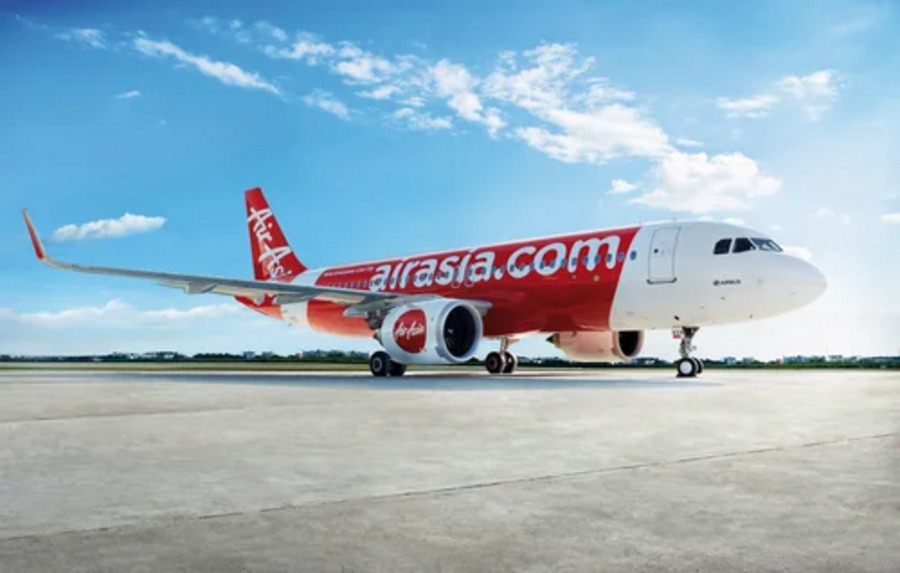
AirAsia has launched a new flight route from Kuala Lumpur to Semarang, Indonesia, as part of its strategy to strengthen its market share in the Southeast Asian low-cost carrier market. This move is expected to enhance regional connectivity and boost tourism in the area by offering customers even lower prices and additional flight options.
Key Points:
- AirAsia introduces a new Kuala Lumpur–Semarang route, reinforcing its position as a leading low-cost carrier in Indonesia.
- The addition of this route is aimed at expanding Indonesia’s emerging regional connectivity, thereby boosting tourism in the area.
- The launch aligns with AirAsia’s low-cost strategy, providing customers with more affordable travel options and increased flight frequency to the region.
Actionable Takeaways:
- Increased Market Share and Tourism Growth: AirAsia’s new route is likely to enhance its market share in Indonesia’s low-cost carrier market, attracting more travelers and potentially stimulating tourism growth in Semarang. This move could lead to increased demand for related services such as hotels, local transportation, and tourist attractions in Semarang.
- Opportunities for Travel Startups and Partnerships: The expansion of AirAsia’s route network presents opportunities for travel startups and partnerships. Collaborations with local businesses or other airlines could further enhance connectivity and offer travelers more options, driving further growth in the Southeast Asian travel market.
- Innovation in Travel Tech: The launch of this route may spur innovation in travel technology, particularly in fare management and booking platforms. Airlines and tech companies could leverage this expansion to develop more efficient and user-friendly booking systems, catering to the growing demand for affordable and accessible travel options.
Contextual Insights:
The introduction of the Kuala Lumpur–Semarang route by AirAsia reflects broader trends in the travel industry, such as the increasing demand for affordable, accessible travel options, especially in emerging markets. This move aligns with the ongoing trend of low-cost carriers expanding their networks to capitalize on growing consumer demand for budget-friendly travel. Furthermore, it underscores the importance of strategic route planning in enhancing regional connectivity, which can have significant implications for tourism and economic development in the region. As travel tech continues to evolve, innovations in fare management and booking platforms will likely play a crucial role in shaping the future of air travel, offering travelers more choices and flexibility.
Read the Complete Article.



