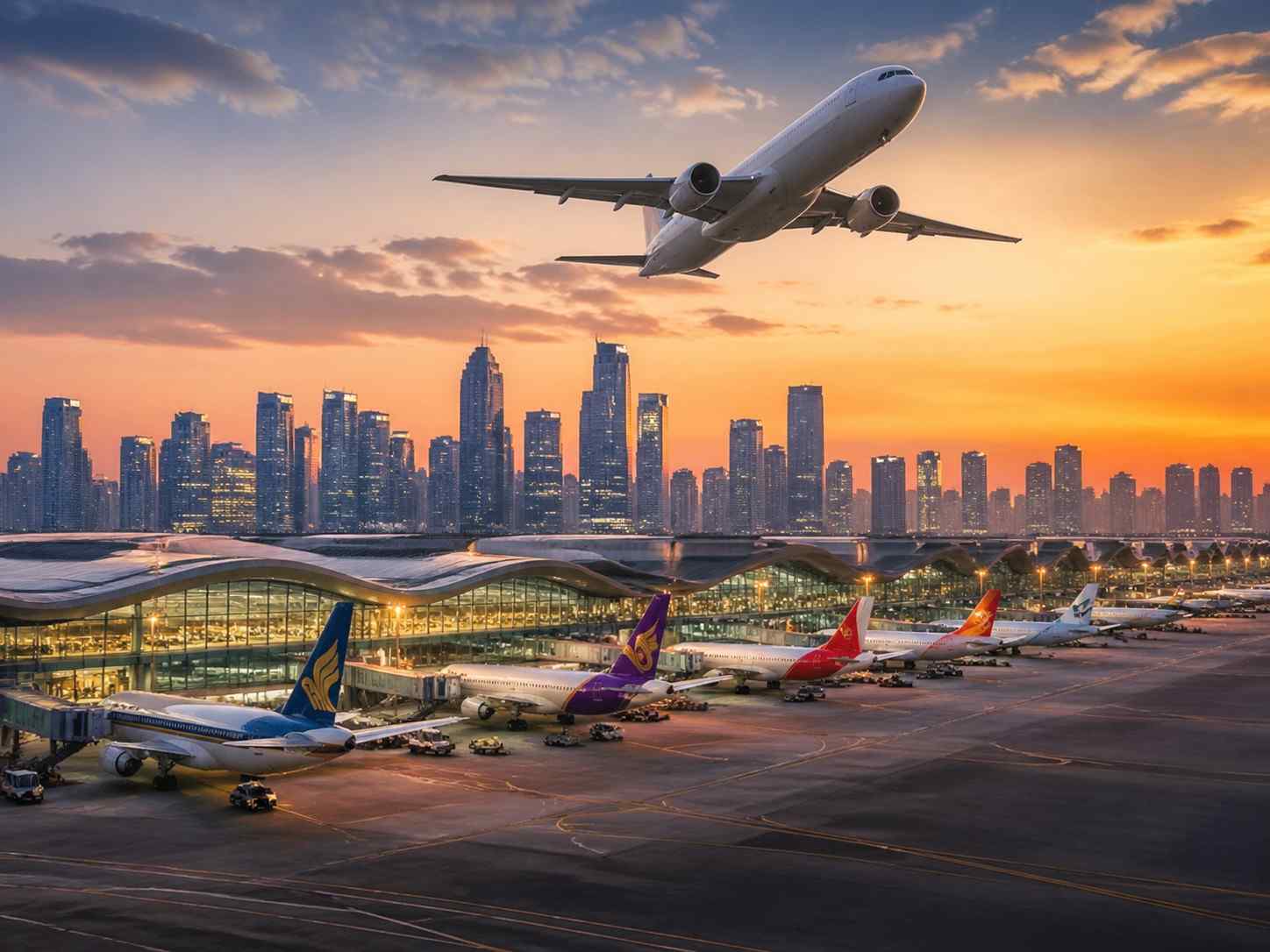
Singapore Airlines teams with Thai Airways, Malaysia Airlines, VietJet, AirAsia
THE NEWS: Analysis: Singapore Airlines is joining Thai Airways, Malaysia Airlines, VietJet and AirAsia in a drive to position Southeast...
Read moreDetailsEvery alert that matters — when it happens.

Comprehensive Summarization:
The article reports on significant disruptions affecting hundreds of travelers in Malaysia due to flight delays and cancellations caused by Malindo Air, AirAsia, Indonesia AirAsia, and several other carriers at Kuala Lumpur International Airport. The disruptions impacted routes to destinations such as Jakarta, Johor, and Langkawi. The article highlights the challenges faced by travelers and the operational issues faced by these airlines, emphasizing the need for robust travel tech solutions to mitigate such disruptions in the future.
Key Points:
Actionable Takeaways:
Invest in Advanced Travel Tech Solutions: Airlines should invest in advanced travel technology to enhance operational efficiency and minimize disruptions. This includes real-time flight tracking, predictive analytics for potential delays, and seamless communication with travelers to manage expectations effectively.
Enhance Customer Communication Protocols: Airlines need to improve their communication protocols with travelers during disruptions. Providing timely updates, offering alternative travel options, and ensuring customer support is readily available can significantly enhance customer satisfaction and loyalty.
Focus on Resilience in Travel Operations: The incident underscores the importance of building resilience in travel operations. Airlines should develop contingency plans and invest in backup systems to handle unexpected disruptions, ensuring minimal impact on travelers and maintaining service reliability.
Contextual Insights:
The disruptions at Kuala Lumpur International Airport reflect broader challenges faced by the travel industry, particularly in managing operational complexities and ensuring seamless travel experiences. Recent trends indicate a growing reliance on technology to enhance travel operations, with innovations in AI and machine learning playing a crucial role in predictive analytics and real-time decision-making. Startups in the travel tech sector are increasingly focusing on developing solutions that address operational inefficiencies and improve customer experience. This incident serves as a reminder for industry stakeholders to leverage these technological advancements and adopt best practices in travel management to navigate future challenges effectively.
Read the Complete Article.
THE NEWS: Analysis: Singapore Airlines is joining Thai Airways, Malaysia Airlines, VietJet and AirAsia in a drive to position Southeast...
Read moreDetails
Experience the magic of the Nile aboard Kenzy Dahabeya, a luxury boutique sailing cruise that offers an unforgettable journey between...
Read moreDetails