












Comprehensive Summarization:
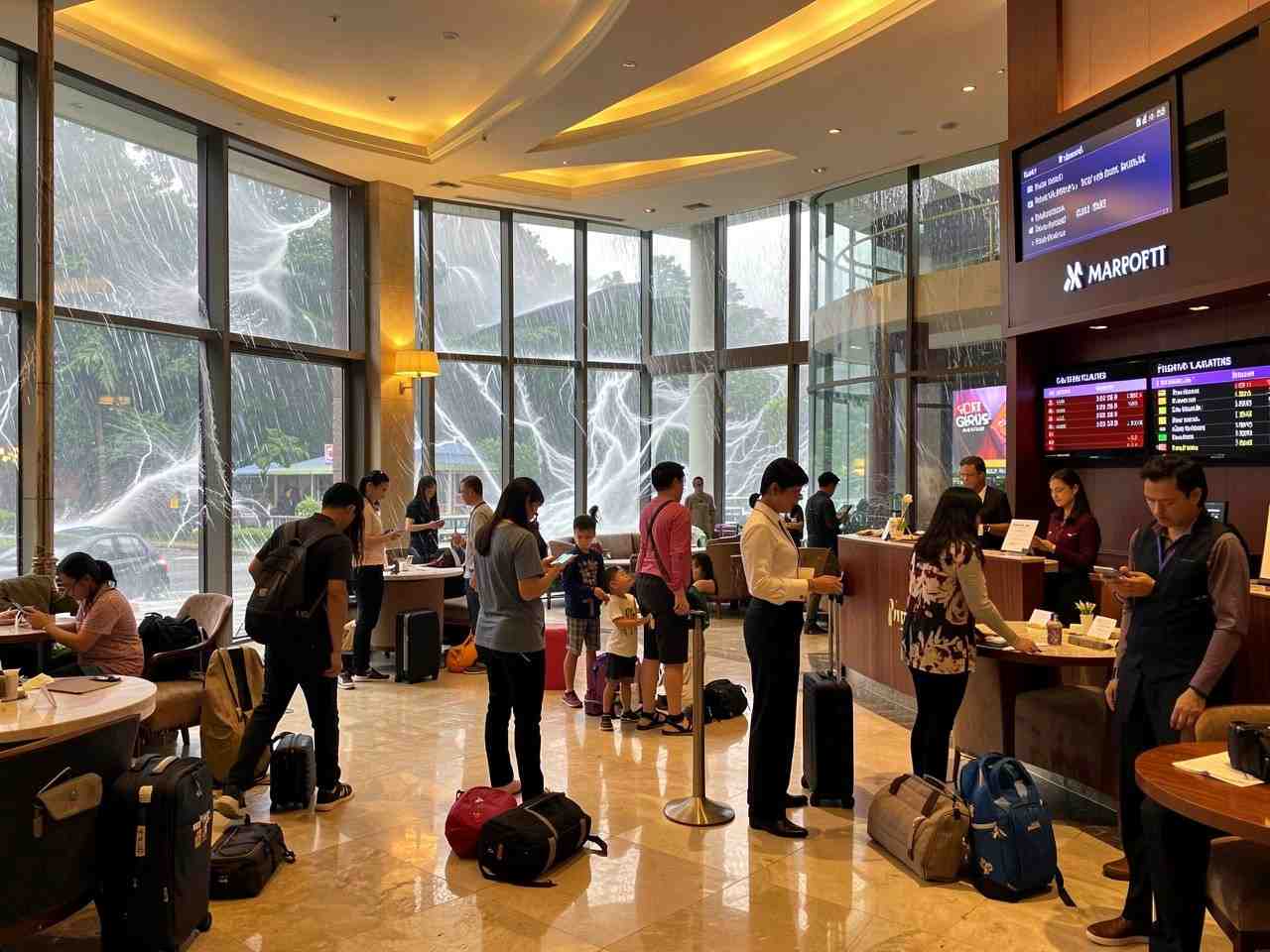
Thailand is bracing for major summer storms, which are expected to cause significant disruptions to travel and tourism, particularly affecting major airlines such as AirAsia and Thai Airways, as well as major hotel chains like Marriott Hotels. The article highlights the potential impact on travel operations, including flight cancellations, delays, and hotel occupancy rates. As the storms hit Bangkok and beyond, the travel industry in Thailand faces a critical period of adaptation and mitigation strategies to minimize disruptions and protect the interests of both businesses and travelers.
Key Points:
- Severe Weather Impact: Thailand is preparing for severe summer storms that are expected to disrupt travel operations, particularly affecting major airlines and hotel chains.
- Affected Stakeholders: The disruptions are anticipated to impact AirAsia, Thai Airways, and Marriott Hotels, among other travel-related businesses operating in Thailand.
- Geographic Focus: The storms are expected to hit Bangkok and other parts of Thailand, indicating a widespread impact on the country’s travel infrastructure.
- Timing: The storms are set to occur this week, suggesting an imminent threat to travel plans and operations.
Actionable Takeaways:
-
Implement Flexible Cancellation Policies: Travel businesses should consider offering flexible cancellation policies to mitigate the impact of potential flight cancellations and delays. This approach can help retain customer satisfaction and minimize financial losses due to no-shows or last-minute cancellations.
-
Enhance Communication with Travelers: Proactive communication with travelers regarding potential disruptions is crucial. Airlines and hotels should provide timely updates and alternative arrangements to manage customer expectations and reduce anxiety associated with travel disruptions.
-
Invest in Weather Monitoring Technologies: Leveraging advanced weather monitoring and predictive analytics can help travel businesses anticipate and prepare for severe weather events. This investment can lead to more efficient operational adjustments and improved customer service during adverse conditions.
Contextual Insights:
The article reflects the ongoing challenges faced by the travel industry in the face of unpredictable weather patterns, a trend exacerbated by climate change. As Thailand prepares for these storms, the situation underscores the importance of resilience and adaptability in the travel sector. The focus on flexible policies, effective communication, and technological investment aligns with current industry trends emphasizing customer-centric solutions and technological innovation. These takeaways are particularly relevant for travel startups and fintech companies, as they present opportunities to develop solutions that enhance operational efficiency and customer experience during adverse weather conditions. By adopting these strategies, businesses can not only mitigate the immediate impacts of severe weather but also position themselves as leaders in adaptive travel solutions.
Read the Complete Article.



