
American Airlines reports Q2 earnings highs versus Consumer Discretionary peers
THE NEWS: The piece centers on American Airlines (NASDAQ:AAL) and evaluates its quarterly earnings relative to other companies in the...
Read moreDetails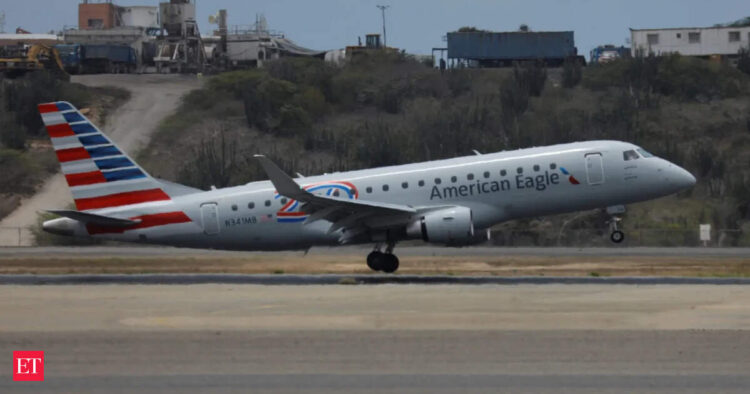
American Airlines rescue fares: Travel chaos? American Airlines steps in to support Spirit Airlines ...
Comprehensive Summarization:
Spirit Airlines abruptly ceases its operations, leading to significant travel disruptions for passengers and staff. In response, American Airlines swiftly steps in, pledging to support affected customers and employees. The airline emphasizes its commitment to minimizing disruption for travelers and the communities where Spirit previously operated. American Airlines is actively engaging with the government, including the Department of Transportation, to manage the situation effectively. The article underscores the airline’s primary goal of reducing travel disruptions and highlights the collaborative efforts between airlines to address the crisis.
Key Points:
Actionable Takeaways:
Collaborative Response to Disruptions: Airlines should establish robust protocols for rapid response and support in the event of operational disruptions. This includes proactive communication with customers, employees, and regulatory bodies to minimize the impact on travel. Relevance: In the current volatile travel environment, such preparedness can significantly mitigate the adverse effects on both the airline and its stakeholders.
Government and Regulatory Engagement: Airlines must engage actively with government agencies, such as the Department of Transportation, to navigate crises effectively. This collaboration ensures compliance with regulations and facilitates smoother resolution of operational issues. Relevance: Given the regulatory landscape’s role in managing airline operations, proactive engagement can streamline recovery efforts and prevent further disruptions.
Contextual Insights:
The sudden shutdown of Spirit Airlines highlights the vulnerabilities within the travel industry, particularly in terms of operational resilience and crisis management. This incident underscores the importance of having contingency plans and strong partnerships with other airlines and regulatory bodies. In the context of current travel trends, where flexibility and adaptability are key, airlines must continuously innovate and enhance their crisis management strategies. The article also reflects the broader trend of airlines collaborating more closely to address operational challenges, a trend that is likely to gain further traction as the industry navigates ongoing disruptions caused by factors such as pandemics, geopolitical tensions, and technological advancements.
Read the Complete Article.
THE NEWS: The piece centers on American Airlines (NASDAQ:AAL) and evaluates its quarterly earnings relative to other companies in the...
Read moreDetails
Experience the magic of the Nile aboard Kenzy Dahabeya, a luxury boutique sailing cruise that offers an unforgettable journey between...
Read moreDetails