












Comprehensive Summarization:
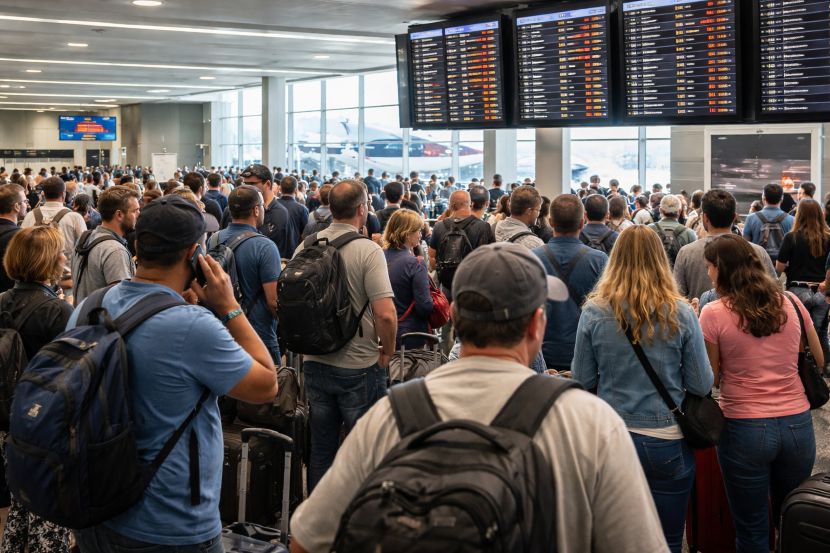
The article reports on significant disruptions at Philadelphia International Airport (PHL) on March 7, 2026, due to flight delays and cancellations involving major airlines such as American Airlines, PSA Airlines, United, and Southwest. The disruptions affected travel between major US cities including New York, Chicago, Miami, and Atlanta. The article highlights the operational challenges faced by these airlines, impacting thousands of passengers and underscoring the vulnerabilities in the current travel infrastructure during peak travel periods.
Key Points:
- Flight Disruptions: Philadelphia International Airport reported 124 flight delays and 6 cancellations, significantly impacting travel between key US cities.
- Major Airlines Affected: The disruptions involved major airlines including American Airlines, PSA Airlines, United, and Southwest, indicating widespread operational challenges.
- Impact on Travel: The delays and cancellations disrupted travel plans for thousands of passengers, highlighting the need for improved resilience in airline operations during peak travel times.
- Publication Date: The article was published on March 7, 2026, providing a snapshot of current travel challenges in the northeastern United States.
Actionable Takeaways:
-
Enhanced Operational Resilience: Airlines must invest in more robust operational planning and real-time tracking systems to mitigate the impact of unforeseen delays and cancellations. This includes leveraging advanced technologies such as AI and machine learning for predictive analytics to anticipate and manage disruptions more effectively.
-
Improved Passenger Communication: Airlines should prioritize clear and timely communication with passengers during disruptions. Implementing automated notification systems that provide real-time updates on flight status changes can significantly enhance passenger experience and trust.
-
Strategic Partnerships and Collaboration: Airlines should explore strategic partnerships with other carriers and airports to share resources and manage disruptions more effectively. Collaborative efforts can help in redistributing passengers and optimizing flight schedules during peak travel periods.
Contextual Insights:
The disruptions at Philadelphia International Airport underscore the vulnerabilities in the current travel infrastructure, particularly during peak travel periods. This situation highlights the need for the travel industry to adopt more resilient technologies and operational strategies. The article reflects broader trends in the travel industry, where technological advancements and strategic partnerships are becoming increasingly crucial for maintaining operational efficiency and passenger satisfaction. As the industry continues to evolve, innovations in travel tech, fintech, and other sectors will play a pivotal role in shaping future travel experiences and ensuring resilience against unforeseen disruptions.
Read the Complete Article.



