












Comprehensive Summarization:
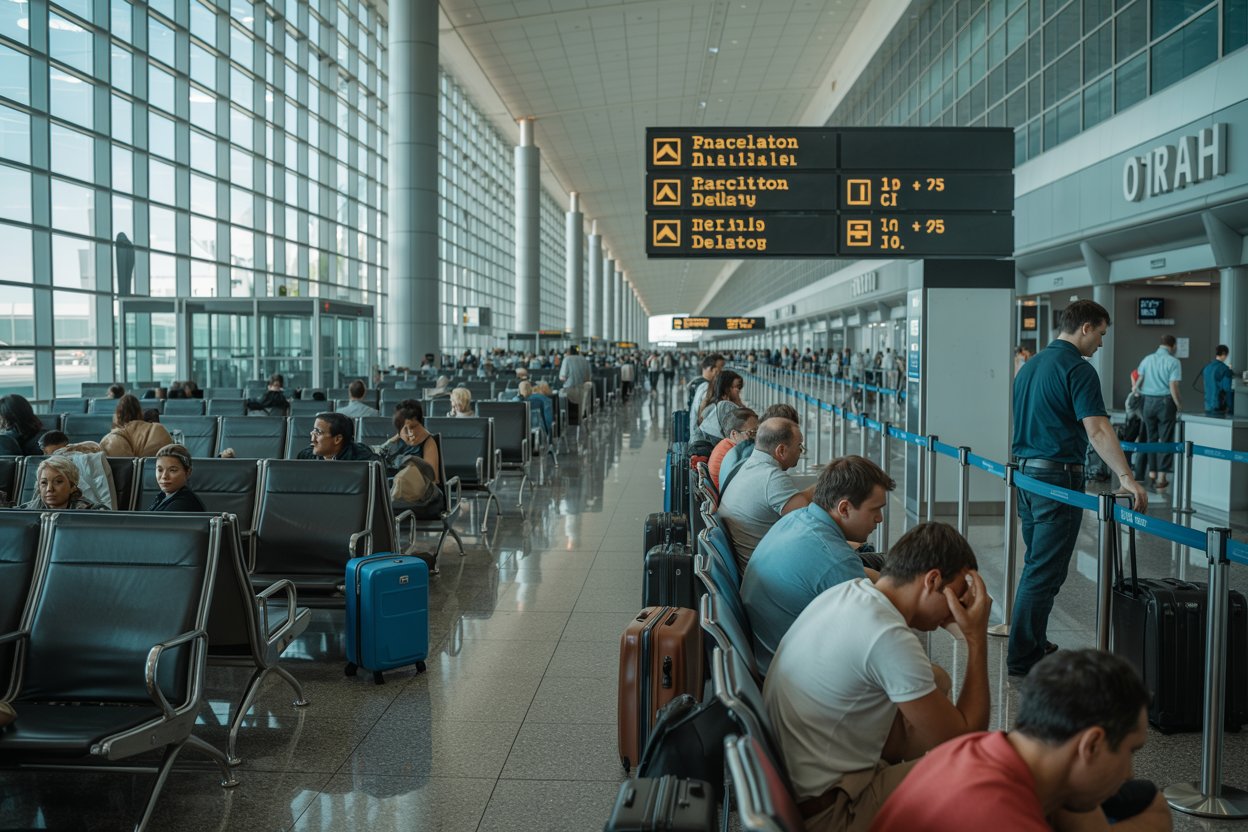
The article reports on significant disruptions at Boston Logan International Airport (BOS) in Massachusetts, one of the busiest air travel hubs in the United States. On March 9, 2026, the airport experienced 202 flight delays and 16 cancellations, affecting major carriers such as Delta, American Airlines, JetBlue, United, and others. The disruptions were primarily due to adverse winter weather conditions and operational challenges. The article highlights the extensive impact on travelers stranded across various destinations including New York, Chicago, Atlanta, Los Angeles, and Miami, underscoring the airport’s critical role in national air travel.
Key Points:
- Airport Disruptions: Boston Logan International Airport faced 202 flight delays and 16 cancellations on March 9, 2026, due to severe winter weather and operational issues.
- Major Carriers Affected: The disruptions impacted major airlines including Delta, American Airlines, JetBlue, United, and others operating at BOS.
- Geographic Impact: The disruptions affected travelers heading to major U.S. cities such as New York, Chicago, Atlanta, Los Angeles, and Miami.
- Operational Challenges: The article emphasizes the challenges faced by the airport in managing winter weather conditions and operational logistics, leading to widespread travel disruptions.
Actionable Takeaways:
-
Enhanced Weather Monitoring Systems: Implement advanced weather monitoring and predictive analytics systems to anticipate and mitigate the impact of severe weather on flight operations. This can help airlines and airports proactively adjust schedules and inform travelers in advance, reducing disruptions.
-
Flexible Passenger Policies: Develop and communicate flexible passenger policies, including options for rebooking, refunds, or upgrades, to manage traveler expectations and minimize the financial and logistical impact of flight disruptions. This can enhance customer satisfaction and loyalty during challenging travel periods.
-
Invest in Operational Resilience: Invest in operational resilience by improving airport infrastructure, staffing, and contingency planning. This includes training staff to handle weather-related challenges efficiently and ensuring backup systems are in place to maintain critical operations during adverse conditions.
Contextual Insights:
The disruptions at Boston Logan International Airport highlight the vulnerabilities in the U.S. air travel infrastructure during extreme weather events. The airport’s role as a major hub underscores the interconnected nature of global air travel, where disruptions at one hub can have cascading effects across the industry. This situation underscores the importance of technological advancements in weather prediction and operational management. Furthermore, the article reflects broader trends in the travel industry, such as the increasing reliance on technology for real-time updates and the need for flexible policies to manage passenger expectations during disruptions. As the industry continues to evolve, innovations in travel tech, fintech solutions for managing travel disruptions, and enhanced operational resilience will be crucial in maintaining service quality and customer satisfaction.
Read the Complete Article.



