American Airlines expands 2027 global network with 7
THE NEWS: American Airlines will launch seven new international routes in the 2027 season, adding service to three new cities...
Read moreDetailsEvery alert that matters — when it happens.
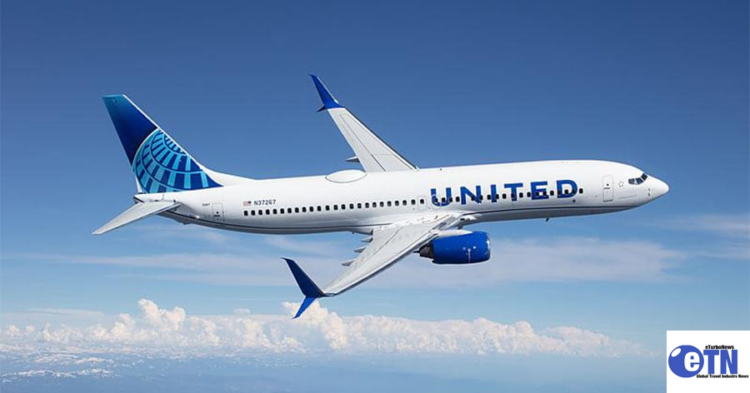
Scott Kirby Floats Bold United–American Airlines Merger Plan
Comprehensive Summarization:
United Airlines CEO Scott Kirby has publicly outlined his vision for a potential merger between United Airlines and American Airlines. Kirby describes this as a growth-driven strategy aimed at reshaping global aviation. However, the statement acknowledges that significant regulatory, competitive, and economic questions remain unresolved. This potential merger is framed not as consolidation but as a strategic move to drive growth and innovation in the aviation sector.
Key Points:
Actionable Takeaways:
Potential for Industry Growth: The proposed merger could lead to significant growth in the aviation industry by combining resources, technology, and market reach. This could enhance service offerings and expand the airline’s global footprint, benefiting both passengers and the industry as a whole.
Regulatory and Competitive Challenges: The merger faces significant regulatory hurdles and competitive challenges. Stakeholders should closely monitor the regulatory landscape and anticipate potential impacts on competition within the industry. Companies may need to adapt their strategies to navigate these complexities effectively.
Innovation and Service Enhancement: By merging, United Airlines and American Airlines could leverage combined technological capabilities and service innovations. This could lead to improved operational efficiencies, enhanced customer experiences, and potentially lower fares, benefiting consumers and the industry.
Contextual Insights:
The proposed merger between United Airlines and American Airlines reflects broader trends in the travel industry towards consolidation and strategic growth. As the industry faces increasing competition and regulatory scrutiny, mergers and acquisitions are becoming more common as companies seek to strengthen their market positions. This context highlights the importance of regulatory compliance and strategic planning for companies operating in the aviation sector. Additionally, the focus on growth and innovation aligns with current industry trends, where technology and service enhancements are key drivers of competitive advantage. Thought leaders in the travel sector emphasize the need for companies to adapt to changing market conditions and consumer expectations, making strategic mergers a potential pathway to achieving these goals.
Read the Complete Article.
THE NEWS: American Airlines will launch seven new international routes in the 2027 season, adding service to three new cities...
Read moreDetails

Experience the magic of the Nile aboard Kenzy Dahabeya, a luxury boutique sailing cruise that offers an unforgettable journey between...
Read moreDetails