












Comprehensive Summarization:
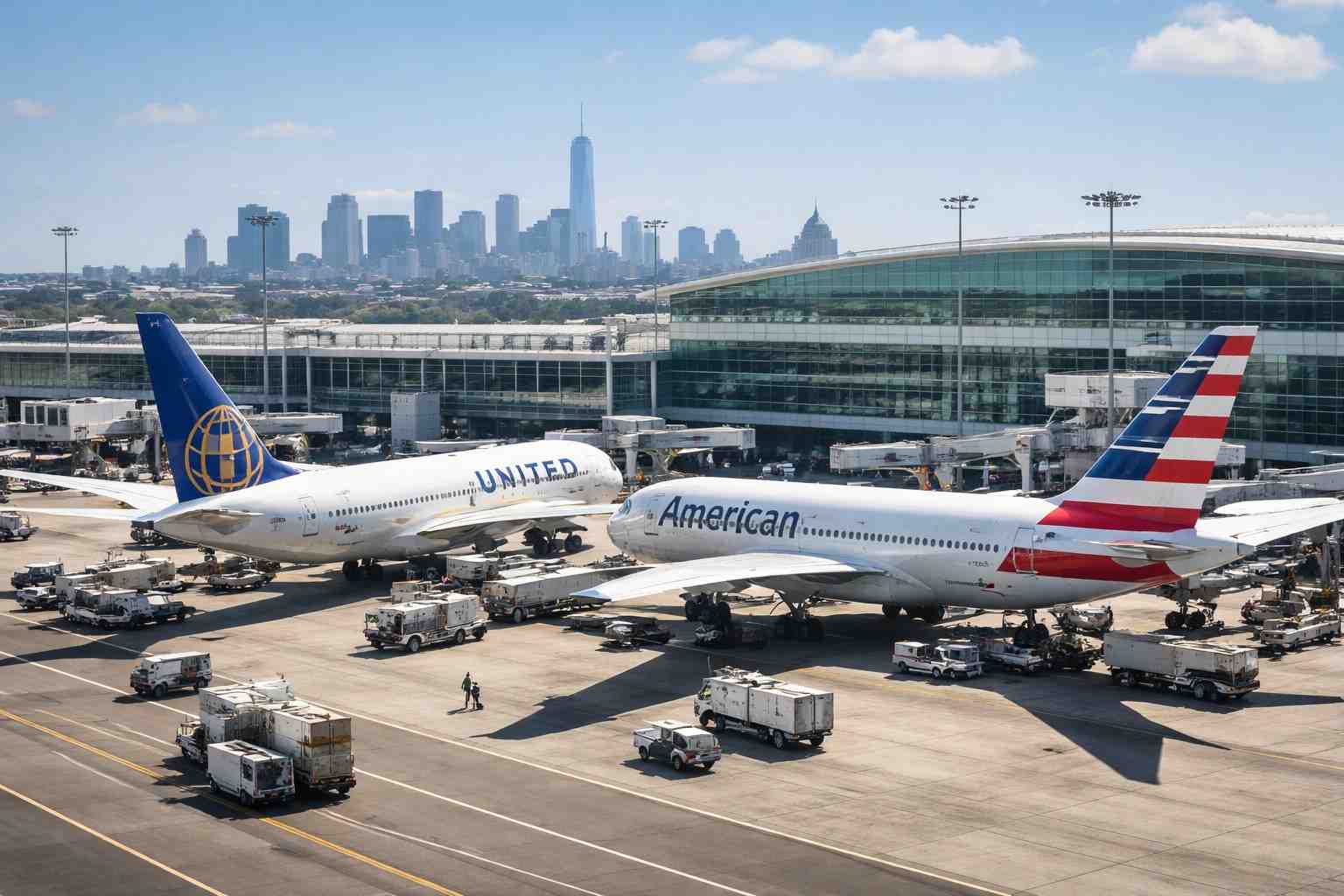
United Airlines and American Airlines are proposing a merger amid the escalating challenges of soaring jet fuel prices and increasing operational costs within the aviation industry. This potential merger is seen as a significant move that could reshape the future of air travel. The article, published on April 14, 2026, highlights the strategic decision of these two major airlines to address the mounting financial pressures in the sector, which is a critical topic for the professional audience of travel and tourism enthusiasts.
Key Points:
- Proposed Merger: United Airlines and American Airlines are considering a merger to tackle the rising costs associated with jet fuel and operational expenses.
- Industry Challenges: The move is driven by the need to address the financial strain caused by escalating jet fuel prices, a critical issue for the airline industry.
- Impact on Future of Air Travel: The merger is viewed as a potential game-changer in the aviation sector, aiming to create a more resilient and cost-effective airline entity.
Actionable Takeaways:
- Strategic Cost Management: The proposed merger could lead to significant cost efficiencies for the combined entity, potentially offering lower fares to consumers and increased profitability for the airline. This could set a precedent for other airlines facing similar financial pressures.
- Market Consolidation: The merger might lead to increased market dominance, potentially influencing competitive dynamics within the airline industry. This could have broader implications for travel tech and fintech sectors, as larger airlines might invest more in these areas to enhance operational efficiency and customer experience.
- Innovation in Travel Tech: With the merger, there could be increased investment in travel technology, including advancements in booking systems, customer service automation, and data analytics. This could drive innovation in the travel sector, benefiting both airlines and travel-related startups.
Contextual Insights:
The proposed merger of United Airlines and American Airlines is a response to the current economic pressures faced by the airline industry. Jet fuel prices have been a significant cost driver, and operational costs have been rising due to various factors, including increased regulatory requirements and labor costs. This strategic move reflects a broader trend in the industry towards consolidation, where larger entities seek to gain a competitive edge by reducing costs and expanding their market reach.
In the context of travel tech and fintech, the merger could accelerate innovation. Larger airlines often have more resources to invest in cutting-edge technologies, such as AI-driven customer service solutions, advanced data analytics for route optimization, and seamless integration of travel platforms with fintech solutions for smoother payment processes. This could lead to improved operational efficiencies and enhanced customer experiences, setting a benchmark for other airlines and travel-related startups to follow.
Moreover, the merger could influence regulatory discussions around the airline industry. As the aviation sector grapples with global challenges, such mergers often attract scrutiny from regulatory bodies to ensure fair competition and consumer protection. The outcome of this merger could have implications for future regulatory frameworks and industry standards, particularly in areas like pricing transparency and environmental sustainability, given the increasing focus on eco-friendly aviation practices.
Read the Complete Article.



