












Comprehensive Summarization:
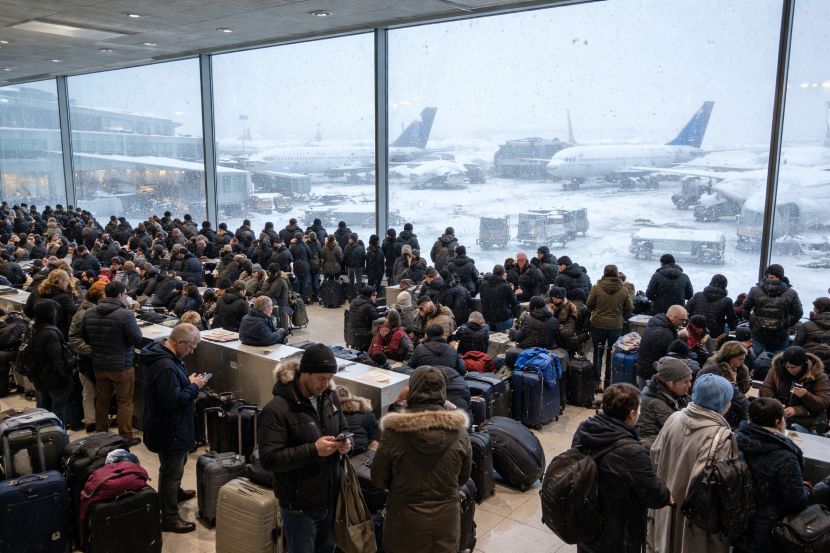
The article reports significant travel disruptions at Newark Liberty International Airport due to a winter storm, resulting in 458 flight cancellations and 95 delays. These cancellations and delays primarily affected flights between New York, Boston, and Chicago, impacting major airlines such as United, Delta, and American Airlines. The disruption has created challenges for travelers seeking alternative flights, highlighting the severe impact of weather-related events on air travel operations. The article underscores the vulnerability of major airports to adverse weather conditions and the logistical challenges they pose for airlines and passengers alike.
Key Points:
- Newark Liberty International Airport experienced 458 flight cancellations and 95 delays due to a winter storm on February 22, 2026.
- The disruptions primarily affected flights between New York, Boston, and Chicago, impacting major airlines including United, Delta, and American Airlines.
- The storm’s impact on air travel operations highlights the vulnerability of major airports to adverse weather conditions.
Actionable Takeaways:
-
Enhanced Weather Monitoring and Forecasting: Airlines and airports should invest in advanced weather monitoring and forecasting technologies to better predict and mitigate the impact of severe weather events on flight schedules. This proactive approach can help reduce cancellations and delays, improving passenger experience and operational efficiency.
-
Flexible Rebooking Policies: Airlines should implement more flexible rebooking policies for passengers affected by weather-related disruptions. Offering easy and cost-effective options for rebooking or refunds can enhance customer satisfaction and loyalty, especially during unpredictable weather conditions.
-
Investment in Resilient Infrastructure: There is a need for airports to invest in resilient infrastructure that can withstand severe weather conditions. This includes upgrading runways, improving de-icing capabilities, and enhancing communication systems to ensure smooth operations during adverse weather events.
Contextual Insights:
The disruption at Newark Liberty International Airport underscores the ongoing challenges faced by the travel industry in managing weather-related disruptions. As climate change leads to more unpredictable weather patterns, the industry must adapt by investing in technology and infrastructure that can enhance resilience and reliability. The article also highlights the importance of flexible policies and customer-centric approaches in maintaining trust and satisfaction among travelers. By integrating these insights, the travel industry can better prepare for and mitigate the impacts of future weather-related disruptions, ensuring smoother operations and a more positive experience for passengers.
Read the Complete Article.



