












Article Summary:
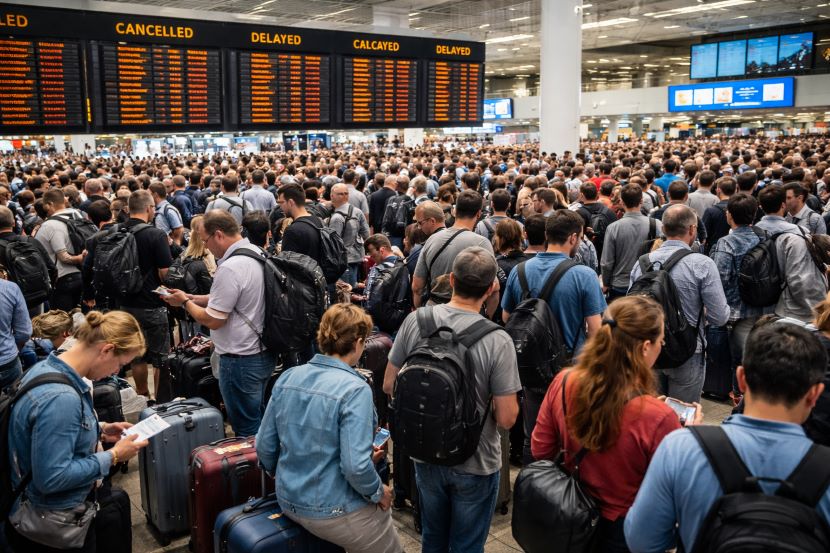
On January 3, 2026, thousands of passengers across Europe faced significant disruptions due to widespread flight delays and cancellations at major airports in the Netherlands, France, the UK, and Germany. A total of 1,585 flights were affected, impacting airlines such as British Airways, Lufthansa, KLM, and others in cities like Manchester, Frankfurt, Amsterdam, and more. The article highlights the extensive impact on British Airways, Lufthansa, KLM, and other airlines operating in these regions.
Key Points:
- Widespread Flight Disruptions: Over 1,585 flights were delayed or canceled across major European airports in the Netherlands, France, the UK, and Germany.
- Major Airline Impacts: Airlines such as British Airways, Lufthansa, and KLM were among those significantly affected, causing major inconveniences for passengers.
- Geographical Scope: The disruptions were widespread, affecting airports in Manchester, Frankfurt, Amsterdam, and other key locations in the mentioned countries.
- Publication Date: The article was published on January 3, 2026, indicating recent developments in the travel industry.
Actionable Takeaways:
- Enhanced Passenger Communication Systems: Airlines should invest in advanced communication systems to keep passengers informed about delays and cancellations in real-time. This can help mitigate passenger frustration and improve overall travel experience.
- Strategic Partnerships for Redundancy: Airlines should consider forming strategic partnerships with other carriers to ensure redundancy in flight operations. This can help in quickly rerouting passengers to alternative flights, minimizing the impact of cancellations.
- Focus on Digital Solutions: The travel industry should continue to innovate and adopt digital solutions for managing flight disruptions. This includes using AI and machine learning for predictive analytics to anticipate and mitigate potential disruptions before they occur.
Contextual Insights:
The article reflects the ongoing challenges faced by the travel industry in managing large-scale disruptions caused by adverse weather conditions and operational issues. The recent disruptions highlight the need for airlines to enhance their operational resilience and passenger communication strategies. As the travel industry continues to evolve, the integration of digital technologies and strategic partnerships will be crucial in ensuring smoother operations and maintaining passenger trust. Thought leaders in the travel sector emphasize the importance of leveraging technology to adapt to unforeseen challenges, ensuring that the industry remains competitive and resilient in the face of disruptions.
Read the Complete Article.


