












Article Summary:
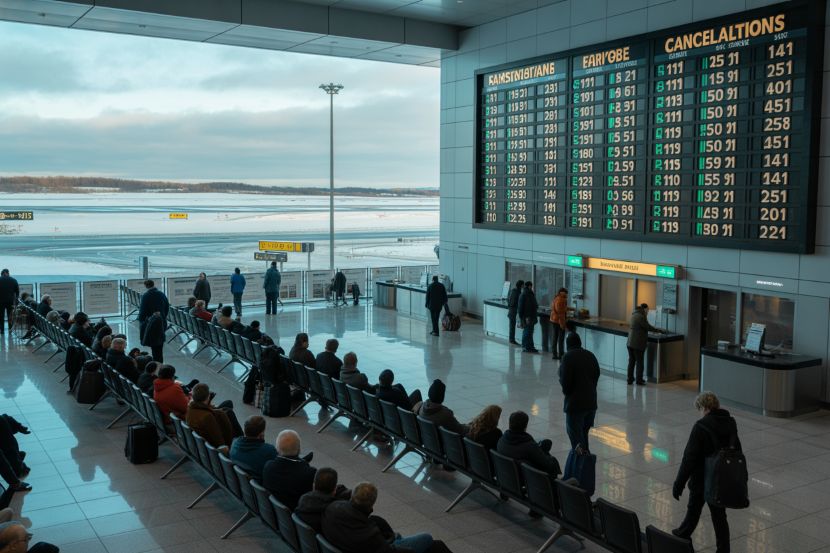
On December 15, 2025, major European airlines such as British Airways, Air France, and EasyJet experienced widespread disruptions, with 33 flights grounded and 691 delayed across Asia. The disruptions were primarily due to bad weather conditions, which are becoming more frequent as the winter season approaches. This article provides a detailed overview of the impact on travelers and the broader implications for the travel industry.
Key Points:
- Disruptions Caused by Bad Weather: The article highlights that significant cancellations and delays occurred due to adverse weather conditions, affecting flights operated by British Airways, Air France, and EasyJet.
- Geographical Impact: The disruptions were not limited to Europe but extended to Asia, indicating a widespread impact on international travel.
- Winter Season Trends: The timing of these disruptions suggests a pattern where bad weather exacerbates travel issues during the winter season, affecting both domestic and international flights.
- Professional Audience Focus: The article is aimed at a professional audience, emphasizing the need for understanding and preparing for such disruptions in the travel industry.
Actionable Takeaways:
- Proactive Travel Planning: Travelers should consider flexible booking options and travel insurance to mitigate the impact of flight disruptions caused by unpredictable weather. This is particularly relevant as winter weather patterns become more volatile.
- Enhanced Communication Strategies: Airlines should improve communication with passengers regarding potential delays and cancellations, especially during adverse weather conditions. This can help manage traveler expectations and reduce stress.
- Investment in Weather Forecasting Technology: The article underscores the importance of advanced weather forecasting technologies to better predict and prepare for disruptions. Airlines and travel tech companies should invest in AI-driven forecasting systems to enhance operational resilience.
Contextual Insights:
The disruptions experienced by British Airways, Air France, and EasyJet highlight the growing vulnerability of the travel industry to weather-related challenges. As winter approaches, the frequency and intensity of such disruptions are likely to increase, posing significant challenges for both airlines and travelers. This trend aligns with broader industry insights that emphasize the need for adaptive strategies in travel planning and operational management. Experts predict that advancements in weather forecasting and travel technology will play a crucial role in mitigating these challenges, potentially leading to innovations in travel planning and customer service within the industry.
Read the Complete Article.


