












Article Summary:
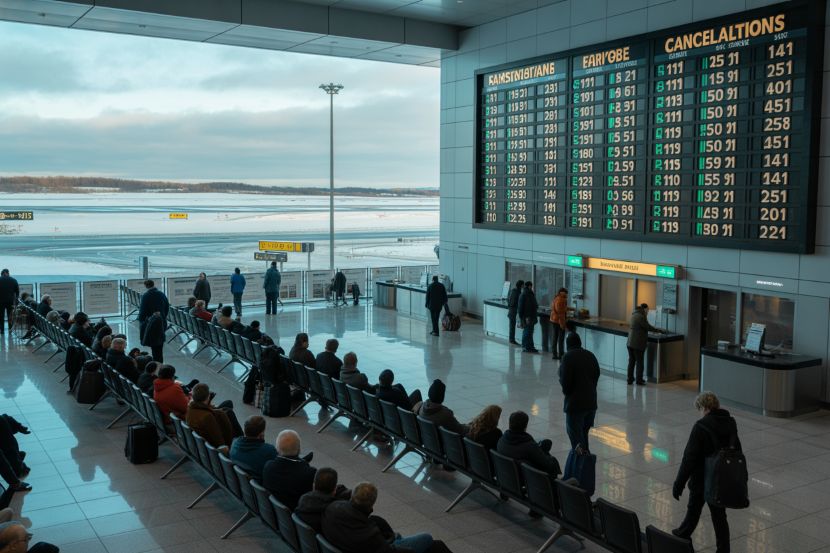
On December 15, 2025, major European airlines such as British Airways, Air France, and EasyJet experienced widespread disruptions, with 33 flights grounded and 691 delayed across Asia. The disruptions were primarily due to bad weather conditions, which are becoming more frequent as the winter season approaches. This article provides a detailed account of the impact on travelers and the broader implications for the travel industry.
Key Points:
- Disruptions Caused by Bad Weather: The article highlights that significant cancellations and delays were experienced by British Airways, Air France, and EasyJet due to adverse weather conditions in Asia.
- Impact on Travelers: The disruptions have caused considerable inconvenience for travelers, affecting their journeys across major European and Asian routes.
- Winter Season Trends: The article emphasizes that as the winter season progresses, bad weather continues to pose challenges to air travel, indicating a recurring pattern that travelers and industry stakeholders should be aware of.
Actionable Takeaways:
- Proactive Travel Planning: Travelers should consider booking flexible tickets and monitoring weather forecasts closely, especially during the winter months, to mitigate the impact of potential flight disruptions.
- Enhanced Communication with Airlines: Airlines should improve communication channels to promptly inform passengers about cancellations and delays, thereby reducing stress and uncertainty for travelers.
- Investment in Weather-Resilient Technologies: The travel industry could benefit from investing in advanced weather forecasting technologies and adaptable flight scheduling systems to better handle adverse weather conditions.
Contextual Insights:
The disruptions experienced by British Airways, Air France, and EasyJet underscore the vulnerability of the travel industry to weather-related challenges, particularly as winter approaches. This situation highlights the need for the industry to adopt more resilient technologies and strategies to manage such disruptions effectively. Furthermore, the recurring nature of these weather-related issues suggests a trend that could influence future travel planning and airline operations. Thought leaders in the travel sector are likely to advocate for increased investment in weather-resilient technologies and improved communication strategies to enhance the overall travel experience and reduce the impact of such disruptions on travelers.
Read the Complete Article.


