












Article Summary:
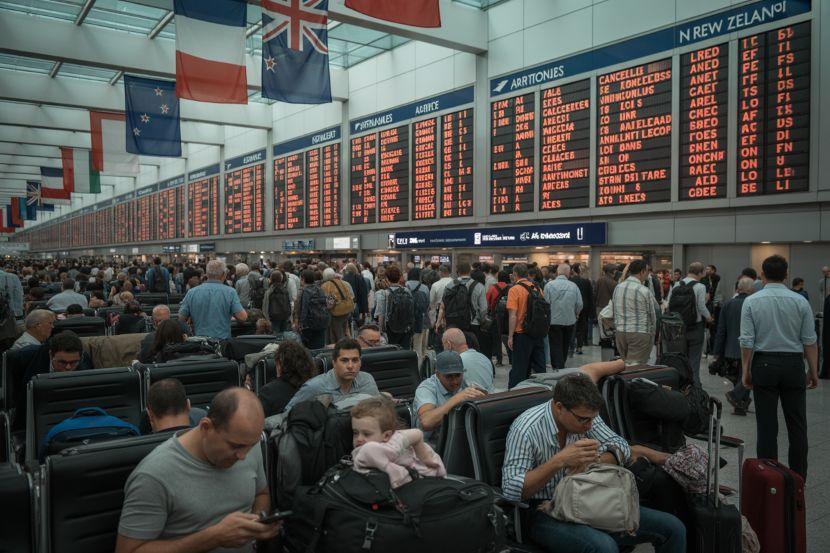
The article reports on significant disruptions in air travel due to extreme weather conditions affecting flights operated by Air France, British Airways, and Air New Zealand. As a result, 40 flights have been cancelled, and 183 flights have been postponed, impacting travelers in France, the UK, and New Zealand. The disruptions highlight ongoing challenges in the travel industry, particularly in managing weather-related operational issues.
Key Points:
- Flight Disruptions: 40 flights were cancelled, and 183 flights were postponed due to extreme weather conditions.
- Affected Regions: The disruptions primarily affected flights in France, the UK, and New Zealand.
- Operational Challenges: The article underscores the challenges faced by airlines in managing travel operations during severe weather events.
- Impact on Travelers: Passengers are left in a state of uncertainty, facing cancellations and delays, which can have significant repercussions on travel plans and logistics.
Actionable Takeaways:
-
Enhanced Weather Monitoring Systems: Airlines should invest in advanced weather monitoring and predictive analytics systems to better anticipate and mitigate the impacts of extreme weather on flight schedules. This can help in proactively managing disruptions and minimizing passenger inconvenience.
-
Flexible Passenger Policies: Implementing more flexible policies for passengers affected by flight disruptions, such as easier rebooking options or compensation for delays, can enhance customer satisfaction and loyalty. This approach aligns with current industry trends towards customer-centric services.
-
Collaborative Crisis Management: Airlines could collaborate more closely with airports and regulatory bodies to develop standardized protocols for handling weather-related disruptions. This collaboration can streamline communication and response efforts, reducing the overall impact on travelers.
Contextual Insights:
The disruptions in air travel due to extreme weather conditions reflect broader industry challenges in managing operational risks associated with unpredictable weather patterns. As climate change continues to affect global weather patterns, the travel industry must adapt by investing in resilient infrastructure and technology solutions. This includes not only technological advancements in flight management but also enhanced communication strategies to keep passengers informed during disruptions. Furthermore, the article aligns with current trends in the travel industry towards greater transparency and customer-centric policies, particularly in managing unforeseen disruptions. By adopting these insights, the travel industry can better prepare for and mitigate the impacts of future weather-related challenges, ensuring a smoother travel experience for passengers.
Read the Complete Article.


