












Comprehensive Summarization:
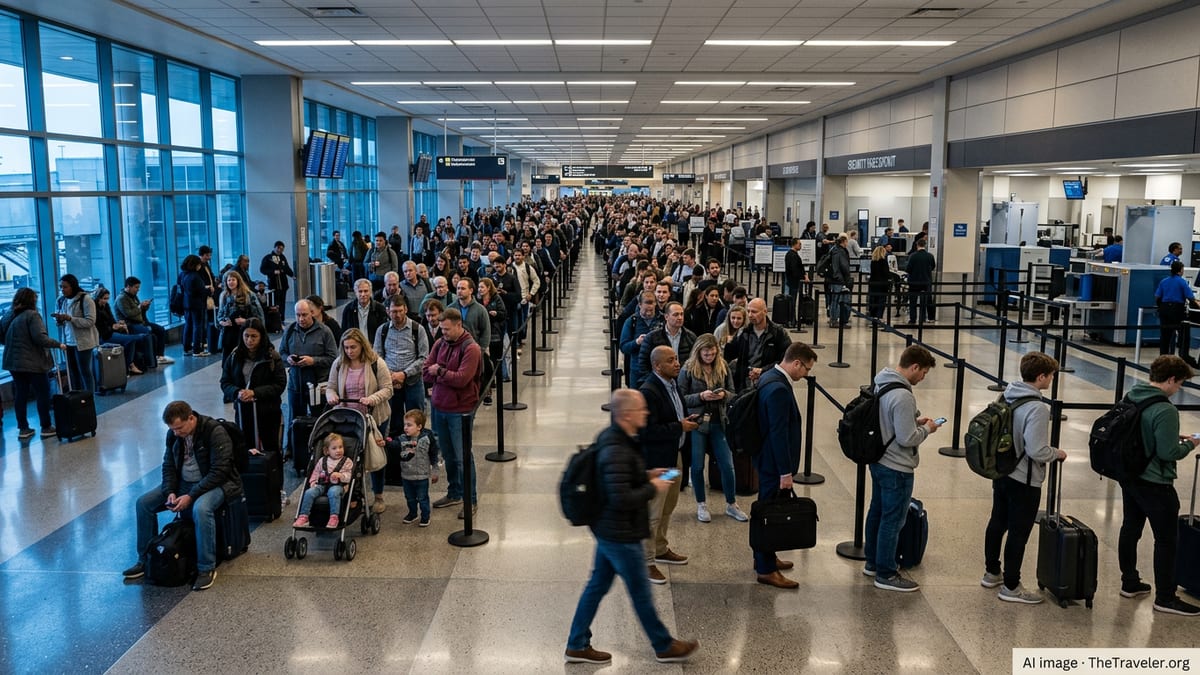
On April 5, British Airways and Pegasus Airlines collectively cancelled 25 flights and delayed 134 more, causing significant travel disruptions across the United Kingdom, Turkey, Austria, the United Arab Emirates, and other markets. Major hubs such as London Heathrow, Istanbul Sabiha Gökçen, and Vienna were particularly affected. The disruption highlights ongoing challenges in the travel industry, particularly in managing network schedules and ensuring passenger safety and satisfaction amidst operational setbacks.
Key Points:
- British Airways and Pegasus Airlines collectively cancelled 25 flights and delayed 134 more on April 5, disrupting travel schedules across multiple European and Middle Eastern markets.
- Major hubs including London Heathrow, Istanbul Sabiha Gökçen, and Vienna experienced significant delays and cancellations, impacting thousands of passengers.
- The disruptions underscore the vulnerabilities in global air travel networks, particularly in managing operational schedules and passenger flow during peak travel periods.
Actionable Takeaways:
-
Enhanced Operational Resilience: Travel companies should invest in advanced scheduling and real-time monitoring systems to mitigate the impact of unexpected cancellations and delays. This includes leveraging AI and machine learning to predict and preempt potential disruptions, ensuring smoother operations and improved passenger experience.
-
Strengthened Network Partnerships: Collaborating with other airlines and airports can help distribute load and share resources during peak times. This could involve code-sharing agreements, joint ticketing systems, or pooled resources for managing high-demand routes, thereby reducing the ripple effects of individual airline disruptions.
-
Improved Passenger Communication: Implementing robust communication strategies to keep passengers informed about changes and updates is crucial. Utilizing mobile apps, SMS alerts, and social media platforms can help manage passenger expectations and reduce frustration during disruptions. This proactive approach can enhance customer satisfaction and loyalty.
Contextual Understanding:
The article reflects current challenges in the travel industry, particularly in managing network disruptions amidst global uncertainties. Recent events, such as the COVID-19 pandemic and geopolitical tensions, have highlighted the vulnerabilities in air travel networks. Technological advancements, such as AI-driven scheduling and real-time tracking systems, are becoming increasingly important in enhancing operational efficiency and resilience. Thought leaders emphasize the need for travel companies to adopt innovative solutions to adapt to changing market conditions and maintain high service standards.
Handling Different Article Types:
The article is a news blurb, providing factual information about recent travel disruptions. The analysis focuses on extracting key points and actionable insights relevant to the travel industry, ensuring the content is concise, fact-based, and actionable for a professional audience.
Read the Complete Article.



