











Comprehensive Summarization:
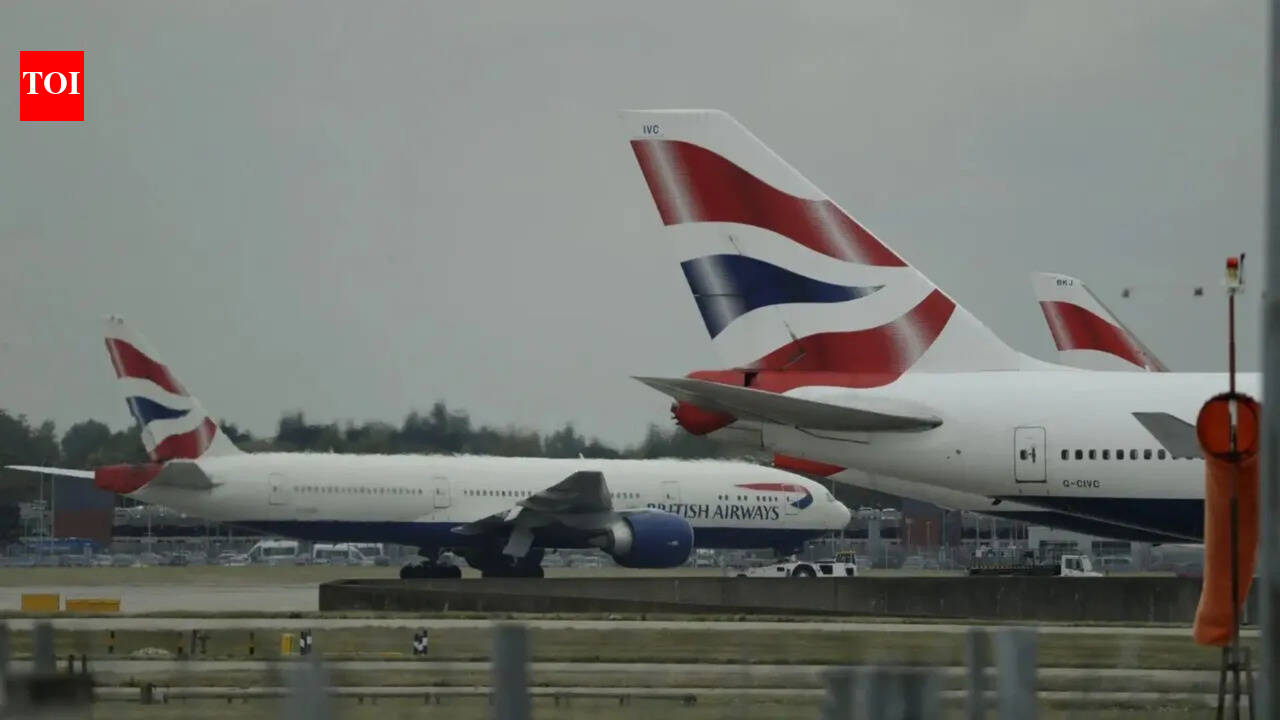
The article discusses the impact of the ongoing conflict in the Middle East, specifically the Iran war situation, on global oil prices. The disruption concerns around the Strait of Hormuz have led to a spike in oil prices, which in turn has raised fears of higher airfares worldwide. British Airways’ owner, International Airlines Group (IAG), has warned that ticket prices are likely to rise as airlines pass on the increased fuel costs to consumers. This situation highlights the direct correlation between geopolitical events, oil price fluctuations, and the travel industry’s financial implications.
Key Points:
- The conflict in the Middle East, particularly the Iran war, has led to a rise in global oil prices due to concerns over the Strait of Hormuz.
- Jet fuel costs have increased as a result of the oil price surge, prompting fears of higher airfares globally.
- International Airlines Group (IAG), the owner of British Airways, has issued a warning that ticket prices are expected to rise as airlines absorb the increased fuel costs.
- The article emphasizes the direct link between geopolitical events, oil price fluctuations, and the travel industry’s financial challenges.
Actionable Takeaways:
-
Fuel Cost Pass-Through: Airlines are likely to pass on increased fuel costs to consumers through higher airfares. This trend underscores the vulnerability of the travel industry to geopolitical events and oil price volatility. Travel companies should consider implementing dynamic pricing strategies to mitigate the impact on revenue.
-
Investment in Alternative Fuels: The article highlights the potential for increased airfares due to higher fuel costs. Companies in the travel sector may benefit from investing in alternative fuels or sustainable aviation technologies to reduce dependency on volatile oil prices and enhance long-term profitability.
-
Diversification of Routes and Destinations: Given the potential for rising airfares, travel companies might explore diversifying their route networks and focusing on destinations less affected by fuel cost pressures. This strategy could help maintain customer appeal and revenue streams amidst rising operational costs.
Contextual Insights:
The article’s context is deeply rooted in the current geopolitical landscape, where conflicts in the Middle East continue to influence global oil markets. The rise in oil prices directly impacts the travel industry, particularly in terms of fuel costs for airlines. This situation is a stark reminder of the interconnectedness between global events and the economic health of the travel sector. As geopolitical tensions persist, the travel industry must remain vigilant and adaptable, leveraging insights from thought leaders to navigate these challenges effectively. The emphasis on alternative fuels and sustainable aviation technologies also reflects a broader industry trend towards innovation and resilience in the face of external pressures.
Read the Complete Article.






