










Comprehensive Summarization:
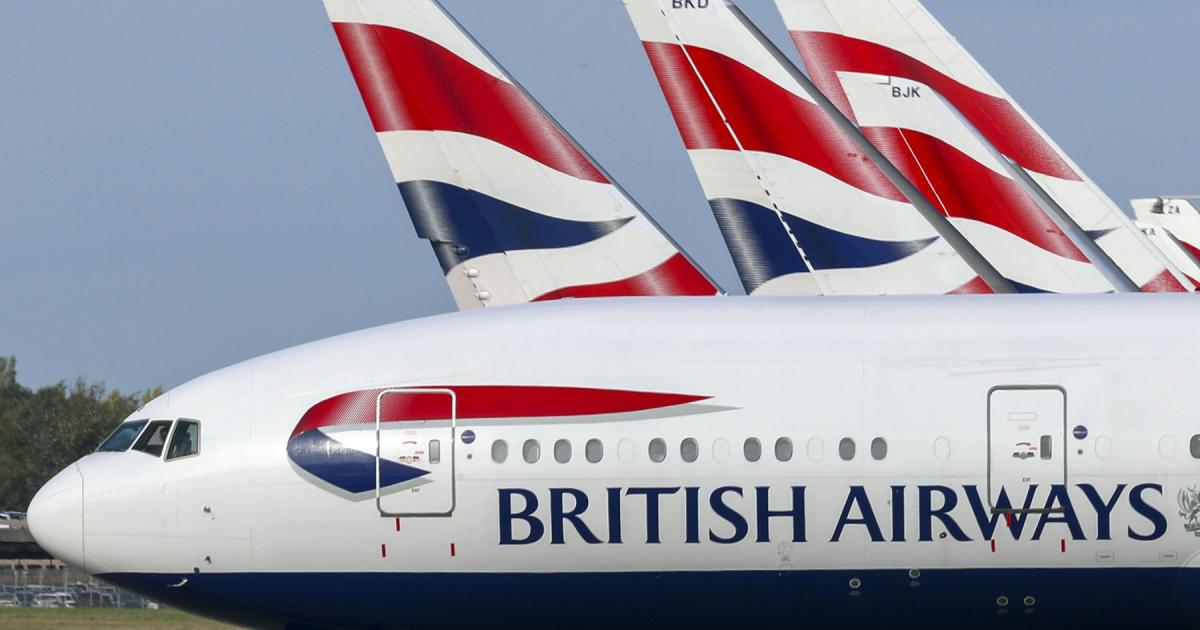
The article discusses a significant change in British Airways’ loyalty program, where points are now earned based on the amount a customer spends rather than the number of miles they fly. This shift has drawn criticism, particularly concerning the increased spend requirements for higher status tiers. Under the new system, Silver status now requires a minimum annual spend of £7,500, and Gold status demands at least £20,000 per year. This change has the potential to result in many members of the BA Club losing their status upon annual renewal, highlighting the airline’s strategy to adjust its loyalty program in response to market dynamics and customer behavior.
Key Points:
- British Airways has altered its loyalty program, shifting from a mileage-based to a spend-based points earning system.
- Points are now earned at a 1:1 ratio, with customers earning one tier point for every £1 spent.
- The new requirements for status tiers have sparked criticism, with Silver status now necessitating a minimum annual spend of £7,500 and Gold status requiring £20,000.
- This change may lead to some members of the BA Club losing their status upon annual renewal, indicating a potential shift in customer retention strategies.
Actionable Takeaways:
-
Reevaluate Loyalty Program Structure: Companies in the travel industry should consider whether their loyalty programs are aligned with customer spending habits and preferences. A shift towards spend-based rewards could enhance customer engagement and retention, as seen in British Airways’ case.
-
Adjust Tier Requirements Carefully: When modifying status tier requirements, airlines and travel companies must carefully balance the incentives for higher spending against the risk of losing existing members. The new £7,500 and £20,000 thresholds for Silver and Gold statuses, respectively, may necessitate a thorough analysis of customer spending patterns and market conditions to avoid unintended consequences.
-
Monitor Market Trends and Customer Behavior: The travel industry is highly dynamic, with consumer preferences and market conditions constantly evolving. Staying abreast of these changes is crucial for adapting loyalty programs effectively. Continuous monitoring and flexibility in program design can help maintain competitive advantage and customer satisfaction.
Contextual Insights:
The shift in British Airways’ loyalty program reflects broader trends in the travel industry towards more flexible and customer-centric reward structures. As consumers increasingly prioritize spending power and value-driven rewards, airlines and other travel service providers are adapting their loyalty programs to meet these expectations. This move by British Airways underscores the importance of aligning loyalty incentives with customer behavior and market dynamics. Furthermore, the potential for members to lose status upon renewal highlights the delicate balance between rewarding loyalty and managing program sustainability. For travel startups and fintech innovators, this scenario presents an opportunity to explore new models of customer engagement and retention through innovative reward systems. By leveraging data analytics and customer insights, these entities can develop tailored loyalty solutions that resonate with modern travelers, driving growth and differentiation in a competitive landscape.
Read the Complete Article.






