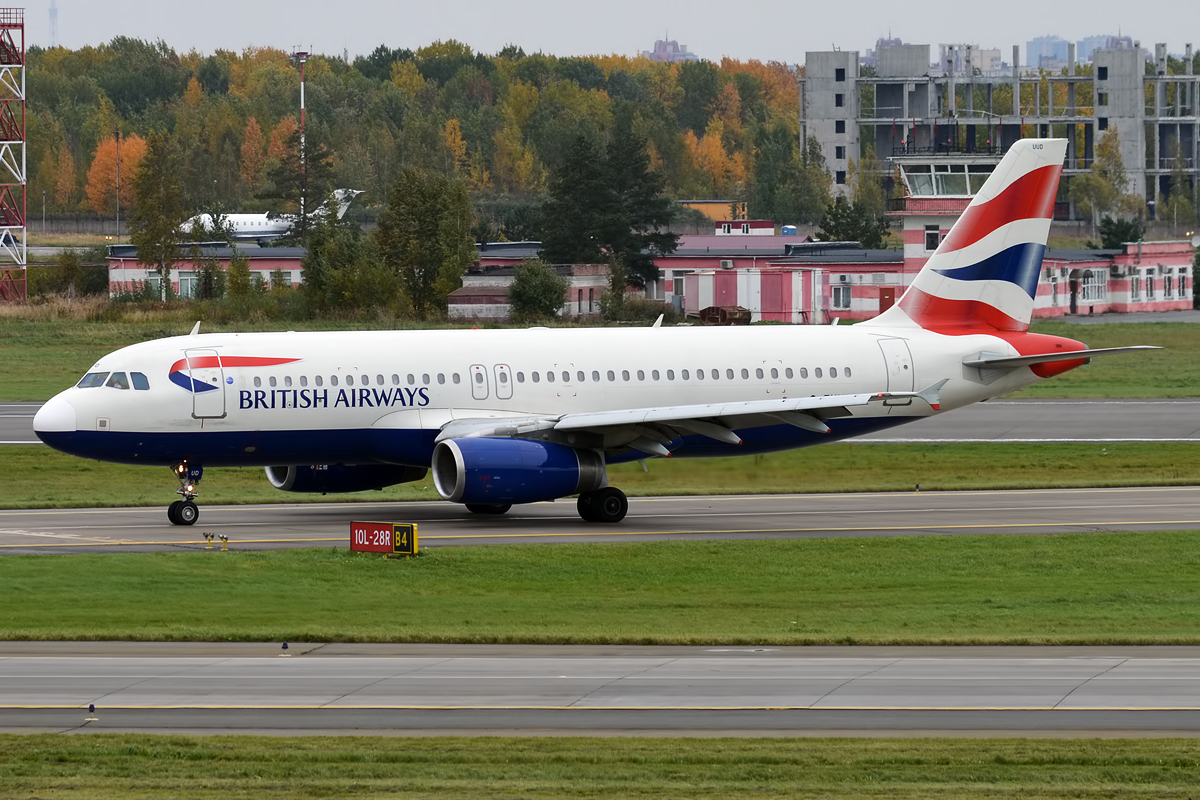













A British Airways passenger has voiced strong criticism regarding the practice of insecticide spraying conducted on board a flight. The incident, which occurred on a British Airways flight, has brought renewed attention to the use of such procedures in air travel.
The passenger, whose identity is not specified in the article, expressed dismay over the spraying of insecticides during the flight. While the article does not detail the specific route or origin of the flight, it highlights the passenger’s negative experience with the practice. The use of insecticides on commercial aircraft is a regulated measure aimed at preventing the spread of disease-carrying insects.
The passenger’s complaint centers on the perceived discomfort and potential health concerns associated with breathing in insecticide mist while in an enclosed cabin environment. This sentiment reflects a broader passenger perspective that may be unaware of or concerned about the rationale behind these onboard treatments.
British Airways, like many other airlines, adheres to international and national health regulations that mandate disinsection procedures. These regulations are typically put in place by aviation authorities and health organizations to control the spread of pests and vector-borne diseases across borders.
The article does not specify the exact timing of the passenger’s flight or the particular insecticide used. However, the incident serves as a point of discussion regarding passenger experience and the communication surrounding in-flight health and safety protocols. The passenger’s public criticism suggests a desire for greater transparency or alternative methods for disinsection.
Key Points
* No specific, quantifiable data points are mentioned in the article.
Read the Complete Article.


