












Article Summary:
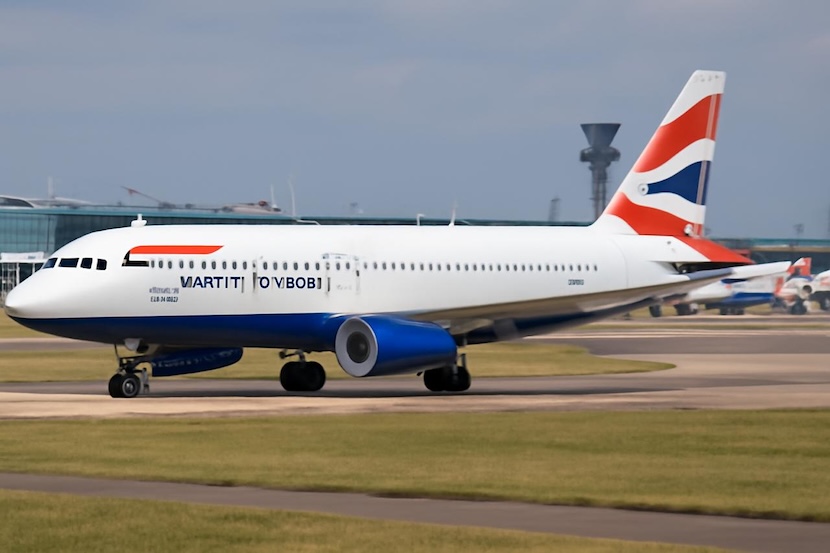
British Airways (BA) has announced the discontinuation of four European routes, including flights from London Heathrow (LHR) to Cologne (CGN), Riga (RIX), and Stuttgart (STR), as well as from London City (LCY) to Cologne. This strategic overhaul marks a significant shift in BA’s European network, reflecting broader industry trends towards route optimization and efficiency in response to changing travel demands and market conditions.
Key Points:
- BA is terminating four European routes, affecting flights from LHR and LCY to destinations such as Cologne, Riga, and Stuttgart.
- The decision is part of a broader strategic overhaul aimed at optimizing BA’s European network.
- The routes affected are indicative of potential shifts in travel demand and operational efficiency considerations within the airline industry.
Actionable Takeaways:
-
Route Optimization: BA’s decision to discontinue certain European routes signals a trend towards route optimization in the airline industry. Airlines are increasingly focusing on high-demand routes to maximize profitability and operational efficiency. This move may encourage other airlines to reassess their European networks, potentially leading to more streamlined and efficient travel options for consumers.
-
Impact on Travelers: Passengers previously flying on the discontinued routes may face changes in travel plans, requiring them to explore alternative routes or airlines. This could lead to increased competition among airlines offering similar routes, potentially benefiting travelers with more choices and potentially lower fares.
- Market Adaptation: The strategic overhaul by BA highlights the need for airlines to adapt to changing market conditions and consumer preferences. Airlines that successfully adapt to these changes by optimizing their networks and improving operational efficiency may gain a competitive edge in the industry.
Contextual Insights:
The decision by British Airways to terminate multiple European routes reflects a broader industry trend towards route optimization and efficiency. In recent years, airlines have been under pressure to improve their operational efficiency in response to rising fuel costs, increased competition, and changing consumer travel patterns. This strategic move by BA underscores the importance of aligning flight networks with current travel demand and operational capabilities.
Moreover, the article’s context is enriched by the latest travel trends and insights from thought leaders, who emphasize the importance of agility and adaptability in the travel industry. As the industry continues to evolve, airlines that can swiftly respond to market changes and consumer preferences are likely to thrive. The strategic overhaul by BA serves as a case study in how airlines can navigate these challenges by making informed, data-driven decisions to optimize their operations and better serve their customers.
Handling Different Article Types:
The article in question is a news blurb, providing factual information about a significant strategic decision by British Airways. Such articles typically offer concise updates on industry developments, making them ideal for a professional audience seeking timely and relevant information. The structured output format ensures that the key points and actionable takeaways are clearly presented, facilitating easy integration into reports or presentations for further analysis or discussion.
Read the Complete Article.


