













Article Summary:
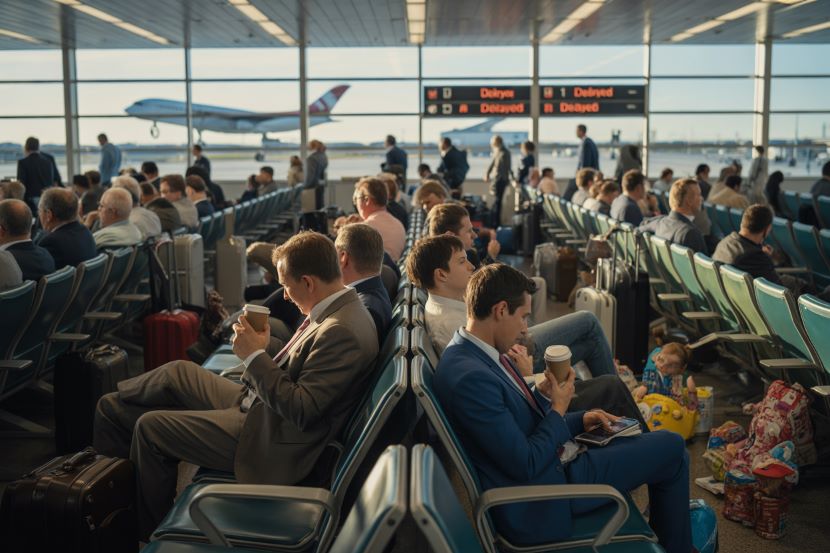
On November 27, 2025, Europe’s major airports, including London Heathrow, Brussels, Kaflavik, Amsterdam, and Berlin, experienced significant disruptions with several hundreds of passengers affected. British Airways, KLM, Air France, Lufthansa, and other airlines collectively faced 54 flight cancellations and 200 delays across these hubs. The disruptions caused considerable inconvenience for travelers, highlighting ongoing challenges in the European travel sector.
Key Points:
- Flight Disruptions Across Major European Hubs: The article reports widespread flight cancellations and delays across several major European airports, impacting thousands of passengers.
- Affected Airlines: Key airlines such as British Airways, KLM, Air France, and Lufthansa were among those affected, indicating a broad impact on the European airline industry.
- Geographic Scope: The disruptions were reported across multiple European cities, including London Heathrow, Brussels, Kaflavik, Amsterdam, and Berlin, suggesting a widespread issue rather than localized problems.
- Publication Date: The article was published on November 27, 2025, providing a current snapshot of travel disruptions in Europe.
Actionable Takeaways:
- Enhanced Communication Strategies: Airlines should improve communication with passengers regarding flight status updates to mitigate the impact of disruptions. This could involve real-time notifications via mobile apps or email alerts, ensuring passengers are informed promptly and can adjust their travel plans accordingly.
- Investment in Resilient IT Systems: The article underscores the need for robust IT infrastructure to handle unexpected disruptions. Airlines should invest in advanced reservation and tracking systems to minimize delays and cancellations, enhancing operational resilience.
- Focus on Passenger Experience: Given the significant impact on travelers, airlines should prioritize improving the passenger experience during disruptions. This could include offering compensation, such as refunds or upgrades, and providing amenities like food, beverages, and comfortable seating to alleviate passenger stress.
Contextual Insights:
The disruptions reported in the article reflect ongoing challenges within the European travel sector, particularly in managing large-scale operational issues across multiple hubs. The article highlights the importance of real-time communication and resilient IT systems in maintaining operational efficiency and passenger satisfaction. As the travel industry continues to evolve, innovations in travel tech, such as AI-driven predictive analytics for flight disruptions and enhanced passenger experience technologies, are becoming increasingly critical. These advancements not only help in mitigating the immediate impacts of disruptions but also contribute to long-term improvements in service quality and customer loyalty. The article serves as a timely reminder of the need for continuous innovation and adaptation in the face of evolving travel challenges.
Read the Complete Article.


