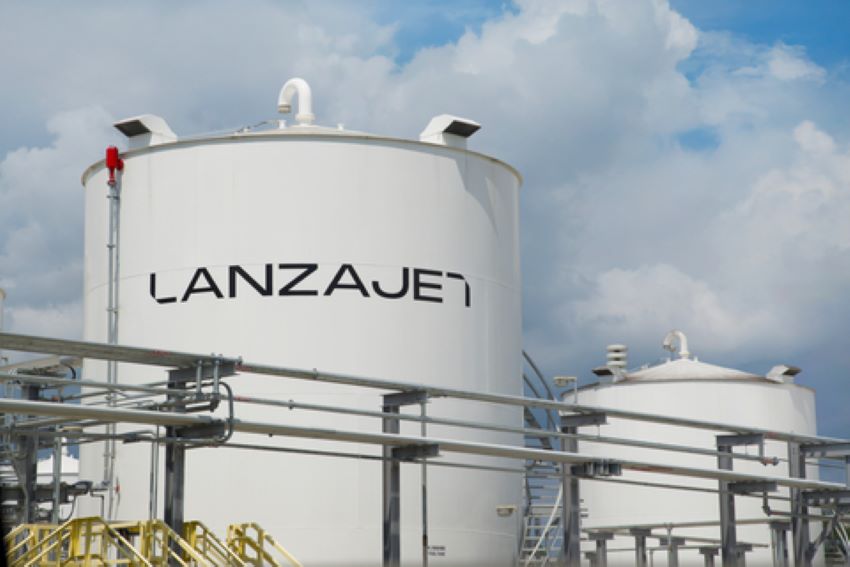













British Airways and LanzaJet have launched a new sustainable aviation fuel (SAF) production facility in Teesside, UK, marking a significant step towards decarbonizing air travel. This collaboration aims to establish the UK as a leader in sustainable aviation by transforming agricultural waste and other sustainable sources into jet fuel. The project aligns with the UK government’s ambition to position the country as a pioneer in clean energy.
Pioneering Sustainable Aviation Fuel in Teesside
The new facility in Teesside will utilize LanzaJet’s Alcohol-to-Jet (ATJ) technology, which converts sustainable ethanol into SAF. The ethanol feedstock can be derived from various sustainable sources, including agricultural waste, sugar cane, and industrial waste gases. This innovative approach is designed to produce a clean-burning fuel that significantly reduces the lifecycle greenhouse gas emissions of air travel compared to conventional jet fuel. The facility is expected to begin commercialization by 2026 and will play a crucial role in reducing the aviation industry’s environmental footprint. Chancellor Jeremy Hunt and Business Secretary Kemi Badenoch were present at the launch, underscoring the government’s commitment to the project and its potential to boost the UK economy and create jobs.
Strategic Goals and Environmental Impact
The development of the Teesside SAF facility is supported by a substantial grant from the UK Government, highlighting the national importance of this initiative. British Airways has made a significant investment in SAF development and has set a goal to power 10% of its flights with SAF by 2030. This commitment is part of the airline’s broader strategy to achieve net-zero emissions. LanzaJet, known for developing the ATJ process, partners with investors and airlines globally to accelerate the energy transition. The company’s technology is poised to create a circular economy for sustainable fuels, offering a scalable and sustainable pathway for global decarbonization. The project represents a vital move towards a more sustainable future for the aviation industry, supporting the UK’s broader environmental and economic objectives.
Key Points
- £50 million grant from the UK Government
- Cutting lifecycle greenhouse gas emissions by over 70% compared to conventional jet fuel
- Up to 70% reduction in greenhouse gas emissions
- British Airways’ goal to use 10% SAF by 2030
- Facility expected to begin commercialization by 2026
Read the Complete Article.


