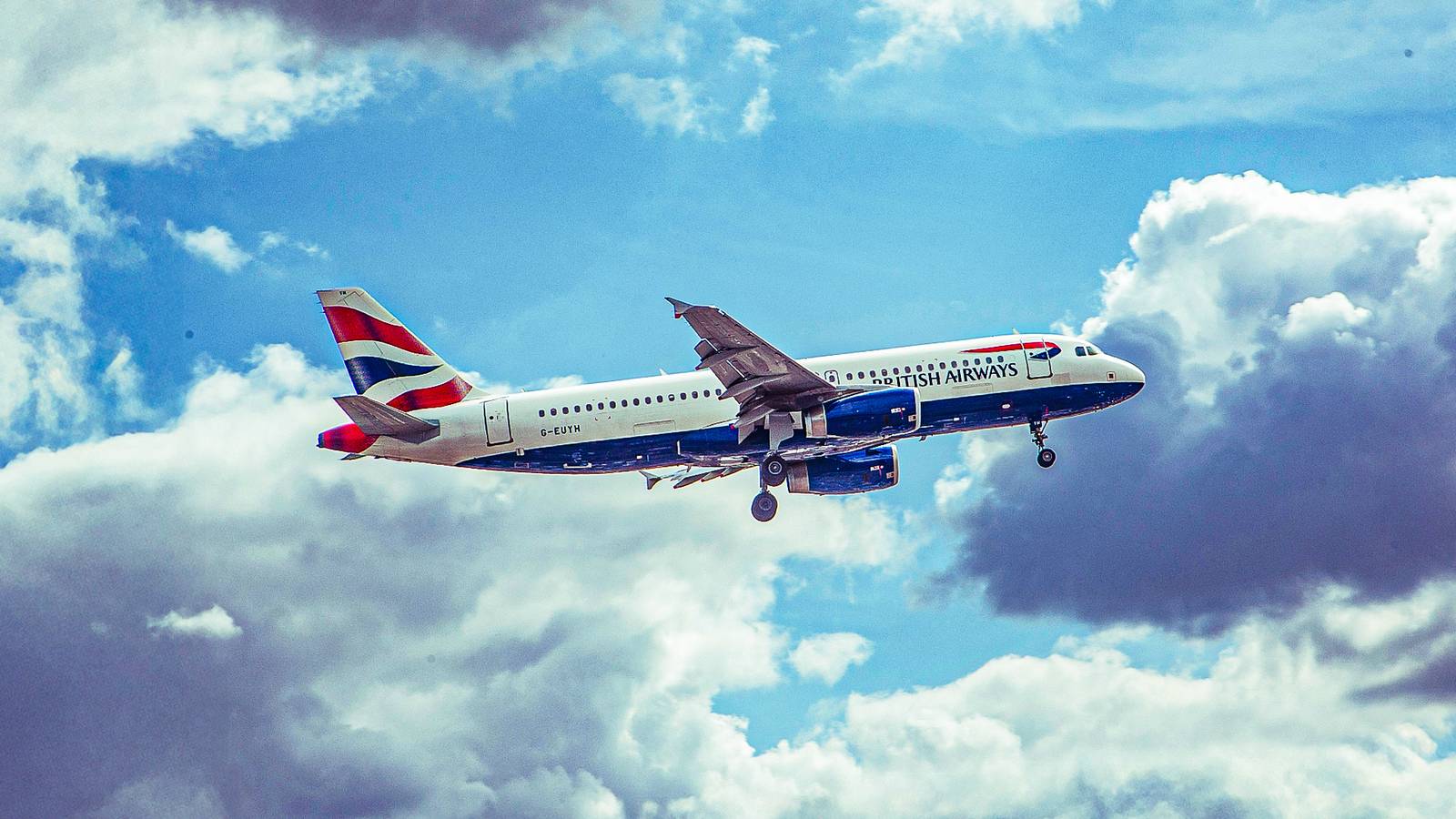














British Airways’ short-haul operations, particularly from London Gatwick Airport, are presented as requiring a comprehensive strategic re-evaluation. The current approach is described as underperforming in a competitive market, leading to calls for a significant rethink of how the airline manages its European and domestic routes.
### British Airways’ Short-Haul Dilemma
The primary subject revolves around British Airways’ struggle to compete effectively in the European short-haul market. While its short-haul network at London Heathrow Airport largely serves to feed its profitable long-haul routes, its presence and strategy at London Gatwick have been questioned. The article highlights that British Airways’ short-haul operation is burdened by legacy costs and has faced profitability challenges, contrasting sharply with the success of major low-cost carriers (LCCs) and other leisure-focused airlines.
The argument is made that British Airways has effectively ceded a significant portion of the short-haul market, especially leisure travel from Gatwick, to rivals such as easyJet, Ryanair, Vueling, Wizz Air, Jet2, and TUI. These competitors are described as having profitable short-haul models built on lower costs and a focused approach. British Airways’ current operational structure, including staff terms and conditions, is seen as a barrier to achieving the necessary cost efficiencies to compete directly with these airlines.
### Challenges and Missed Opportunities at Gatwick
London Gatwick Airport, where British Airways holds valuable take-off and landing slots, represents a key area of concern. Historically, British Airways maintained a notable short-haul presence at Gatwick. However, its operations there have dwindled to a minimal level, with the airline largely withdrawing from a significant part of the market. This reduction in service is viewed as a missed opportunity, particularly given the demand for short-haul leisure travel from the airport.
An attempt to address this was the proposed launch of “BA EuroFlyer,” envisioned as a new, leaner short-haul operation specifically designed to compete from Gatwick. The aim was to create a cost structure that would allow British Airways to re-enter and thrive in this competitive segment. However, this initiative, championed by IAG/British Airways CEO Sean Doyle, was reportedly shelved due to disagreements with unions regarding staff pay and conditions. This outcome left the airline in a position where its valuable Gatwick slots are not being fully utilized to their competitive potential in the short-haul market.
### The Path Forward for Short-Haul Operations
The article suggests that British Airways needs a more radical approach to its short-haul strategy, especially at Gatwick. The current model, where short-haul at Heathrow acts primarily as a feeder for long-haul, is contrasted with the potential for a dedicated, competitive short-haul entity at Gatwick. Such an entity would need to operate with a distinct cost base and potentially a different Air Operator’s Certificate (AOC) and brand to genuinely compete with established LCCs.
The rationale for this strategic shift is rooted in the “Why”: to allow British Airways to fully leverage its valuable Gatwick assets, tap into the lucrative short-haul leisure market, and improve overall profitability. By separating the short-haul operations at Gatwick into a truly independent and cost-efficient unit, the airline could potentially free its Heathrow short-haul services to concentrate solely on their critical role of connecting passengers to long-haul flights. The core argument is that British Airways is currently underperforming in a market segment where significant opportunities exist, necessitating a bold and decisive strategic change.
Read the Complete Article.


