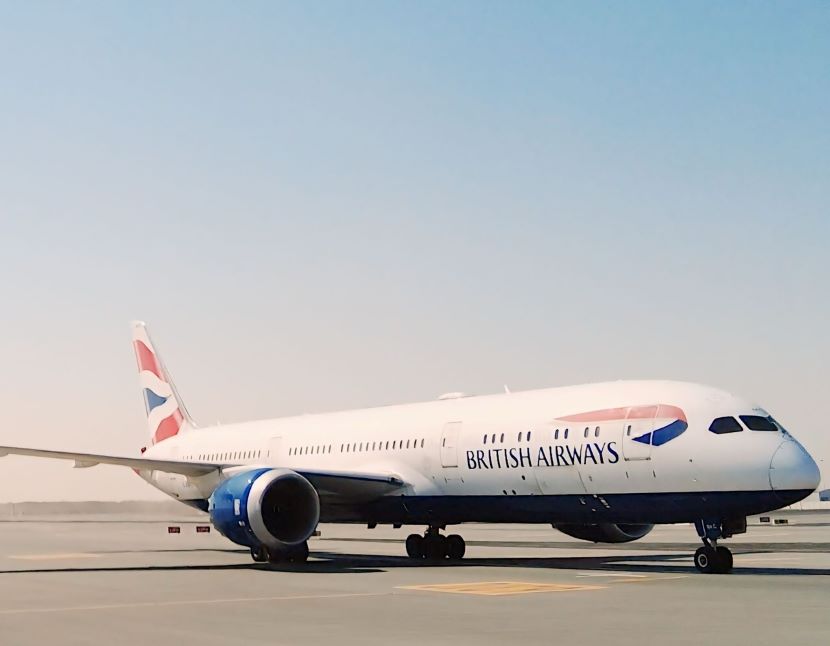













British Airways (BA) has reported an earnings boost but a decline in profit, indicating a significant shake-up in the UK travel sector. This mixed financial outcome for BA, part of the International Airlines Group (IAG), comes amidst a period of robust post-pandemic travel demand coupled with escalating operational costs and shifting consumer behaviors.
### British Airways’ Performance and Market Challenges
While British Airways experienced a substantial increase in passenger numbers and overall revenue, its profitability was hampered by rising operational expenses. Key factors contributing to this profit drop include increased costs for fuel and labor, alongside the broader impact of inflation. Despite these challenges for BA specifically, its parent company, IAG, reported a strong third quarter, showcasing robust performance across its entire portfolio of airlines, which also includes Iberia, Vueling, and Aer Lingus. The broader market is characterized by resilient passenger demand following the pandemic, reflecting a strong desire for travel among consumers.
### Evolving UK Travel Landscape and Consumer Behavior
The UK travel industry is currently undergoing a significant resurgence post-pandemic, but it is a market fundamentally reshaped by new consumer patterns. Consumers are increasingly booking their travel plans later than before and are exhibiting greater value-consciousness in their choices. There is also a notable prioritization of leisure travel. This shift creates a competitive environment, particularly for airlines like BA, which aim to maintain a premium market position. They face intense competition from budget carriers such as EasyJet and Ryanair, which are actively expanding their market share, especially within the leisure travel segment.
### Strategic Responses and Future Outlook
In response to these evolving market dynamics and consumer preferences, British Airways is implementing a strategic approach. This involves targeted investments in its premium products, initiatives to enhance the overall customer experience, and an expansion of its network to include more leisure destinations. Beyond commercial strategies, airlines in the UK are also navigating a complex landscape of regulatory pressures and environmental objectives. This includes increasing investments in sustainable aviation fuels and modernizing aircraft fleets to reduce their environmental impact. The ongoing evolution of the UK travel sector suggests a dynamic future where adaptability, strategic investment, and a keen understanding of changing consumer needs will be crucial determinants of success for industry players.
Read the Complete Article.


