












Comprehensive Summarization:
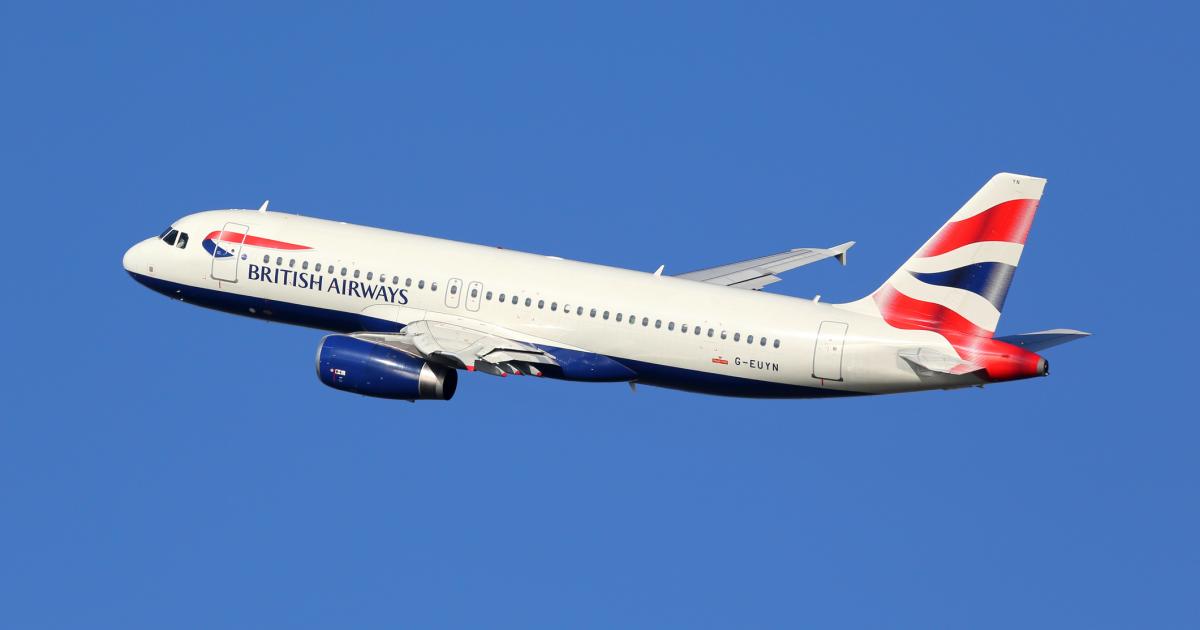
The article discusses the impact of the ongoing war in the Middle East on the travel industry, specifically focusing on British Airways. The airline has had to reduce its flying schedule in the region, leading to the cancellation of several flights to various countries. Notably, all flights to Abu Dhabi have been cancelled until “later in 2026.” This update highlights the significant disruptions caused by geopolitical tensions and their ripple effects on flight schedules and operational decisions within the airline sector.
Key Points:
- The war in the Middle East has led to operational disruptions for multiple airlines.
- British Airways has reduced its flying schedule in the region, resulting in the cancellation of several flights.
- All flights to Abu Dhabi have been cancelled until “later in 2026.”
- The article emphasizes the impact of geopolitical tensions on the travel industry.
Actionable Takeaways:
-
Operational Flexibility: Airlines must maintain operational flexibility to adapt to geopolitical changes. This includes the ability to quickly adjust flight schedules and routes to minimize disruptions caused by conflicts in key regions.
-
Strategic Route Adjustments: Companies should consider strategic route adjustments to avoid high-risk areas. This may involve rerouting flights to minimize exposure to conflict zones, thereby reducing the likelihood of cancellations and delays.
-
Investment in Risk Management: The travel industry should invest in advanced risk management systems that can predict and mitigate the impacts of geopolitical events. This includes leveraging data analytics and AI to monitor and respond to emerging threats in real-time.
Contextual Insights:
The article underscores the vulnerability of the travel industry to geopolitical instability, particularly in regions like the Middle East. As conflicts persist, airlines face significant operational challenges, including flight cancellations and reduced capacity. This situation highlights the need for the industry to adopt more resilient strategies, such as diversifying routes and enhancing risk management capabilities. Furthermore, the cancellation of flights to Abu Dhabi until 2026 signals long-term disruptions that could reshape travel patterns and demand in the region. Travel startups and fintech companies may find opportunities in developing innovative solutions to support airlines in navigating these challenges, such as travel insurance products tailored to geopolitical risks or digital platforms that help travelers plan alternative routes and destinations.
Read the Complete Article.


